Why grow it?
A small evergreen herb with outsized value: resilient, aromatic, pollinator-friendly and happy in the dry sunny positions where softer herbs struggle.
Herbs
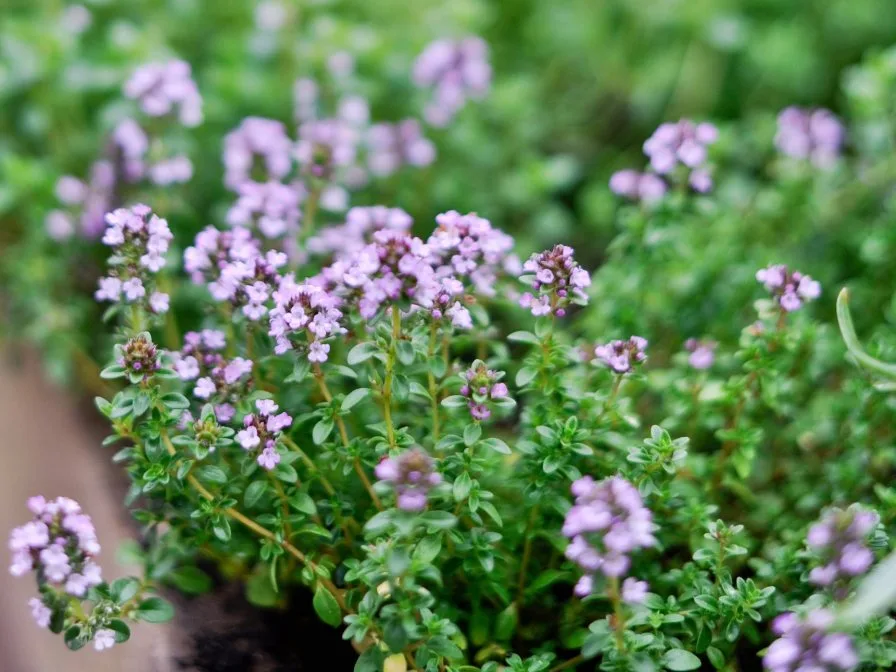
Thymus vulgaris
Small, aromatic and remarkably tough: a classic herb that likes sun, drainage and being left alone.
Each plant is grown in small batches and cared for individually before dispatch. Because these are living plants, their appearance naturally changes with the season — they may be compact and freshly potted at some times of year, or taller and more established at others. Plants are supplied healthy, well rooted and ready to continue growing on.
Why it belongs in a forgotten garden
A small evergreen herb with outsized value: resilient, aromatic, pollinator-friendly and happy in the dry sunny positions where softer herbs struggle.
A small plant with an outsized history, Thyme has been grown and valued since ancient times for its flavour, fragrance, and resilience. Native to the Mediterranean and carried north through trade and cultivation, it became a staple of early gardens, prized for thriving where other plants struggled. Low-growing and evergreen, Thyme offers year-round usefulness from a modest footprint.
Explore its place in Medieval garden history.
Growing guide
Lean, sharply drained soil in full sun. Avoid rich, wet winter ground.
Light: Full sun (tolerates partial shade, but flavour is strongest in sun)
Water new plants until established, then sparingly. Thyme is drought tolerant and dislikes persistent wetness.
Seed, division or cuttings all work. Cuttings and division preserve the exact character of a good plant.
Trim lightly after flowering to keep plants compact. Avoid cutting deep into old bare wood.
From garden to kitchen
Sprigs can be picked throughout the year; flavour is strongest from healthy sun-grown shoots.
Snip young non-woody stems as needed, with the strongest flavour usually just before flowering. Avoid cutting hard into old bare wood.
Leaves, tender tips and flowers.
Intensely aromatic with a warm, savoury flavour, Thyme is used fresh or dried to season vegetables, soups, stews, and meats. Its small leaves hold their flavour well when dried, making it a reliable year-round kitchen herb.
A strongly flavoured herb eaten in small quantities; culinary value comes from aroma and the ability to season food without large amounts of salt or fat.
Worth knowing: Thyme is used in small quantities, so its main culinary value is intense flavour and aroma. The leaves nevertheless contribute vitamin K, vitamin C, iron, manganese and antioxidant plant compounds.
Traditional medicinal uses, where mentioned in the historical material, are included as history rather than medical advice.
Kitchen idea
A simple compound butter gives you a quick way to use repeated small harvests.
How tough is it?
Exceptionally hardy once established, Thyme thrives in poor, dry soils and tolerates drought with ease. Its compact growth and tolerance of neglect make it an ideal low-maintenance perennial, suited to garden edges, containers, and sunny, exposed sites.
Root and stem rots from wet soil are the main danger. Otherwise it is usually very resilient.
Flowers are extremely attractive to bees and other pollinators.
Well suited to containers (minimum 20 cm diameter); prefers free-draining soil
Container plants generally need more frequent watering and feeding than the same plant in open ground.
Ready to grow it?
Each plant is grown in small batches and cared for individually before dispatch. Because these are living plants, their appearance naturally changes with the season — they may be compact and freshly potted at some times of year, or taller and more established at others. Plants are supplied healthy, well rooted and ready to continue growing on.
If this caught your eye…
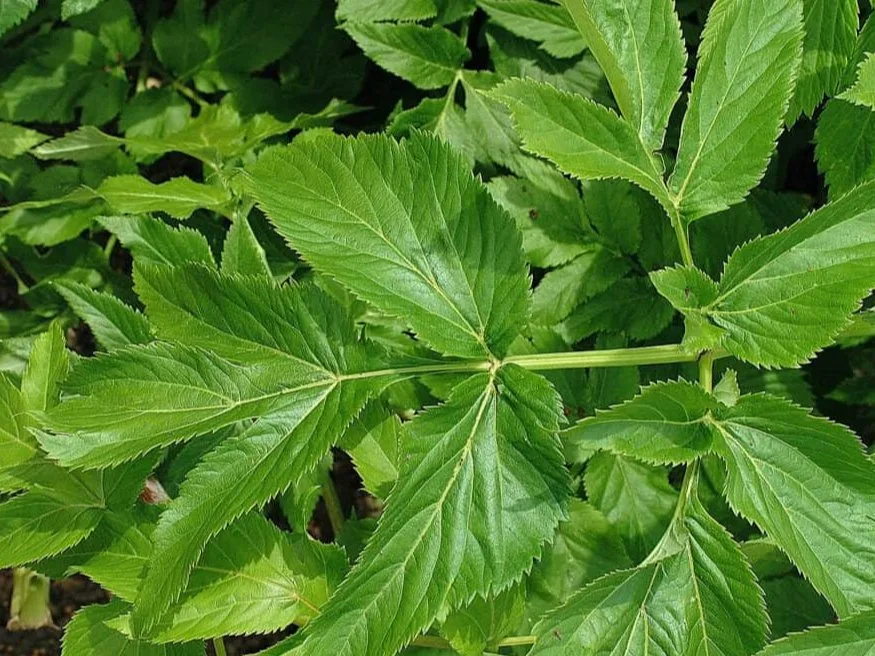
Angelica archangelica
A towering aromatic biennial once prized for candied stems, preserves and liqueurs.
Explore this plant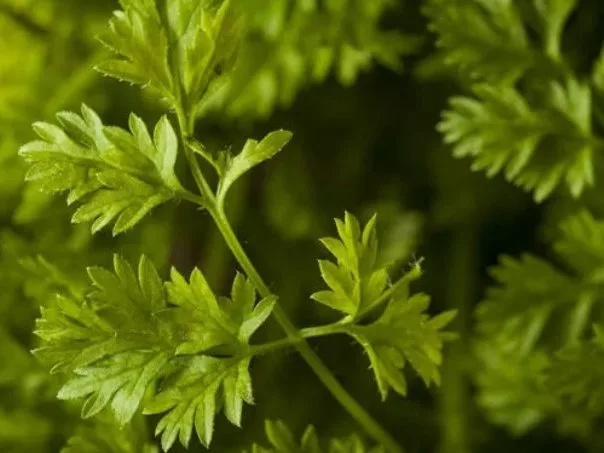
Anthriscus cerefolium
A delicate old kitchen-garden herb with a soft parsley-and-anise flavour.
Explore this plant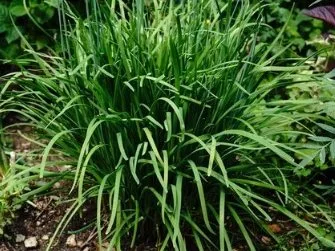
Allium tuberosum
A perennial chive with flat leaves and a gentle garlic flavour — cut it repeatedly, eat the flowers and divide the clump when you want more.
Explore this plant