Explore the past
What did people actually grow?
Step through Ancient, Medieval, Tudor, Georgian and Victorian gardens, then follow the plants from those old kitchens and household plots into the collection today.
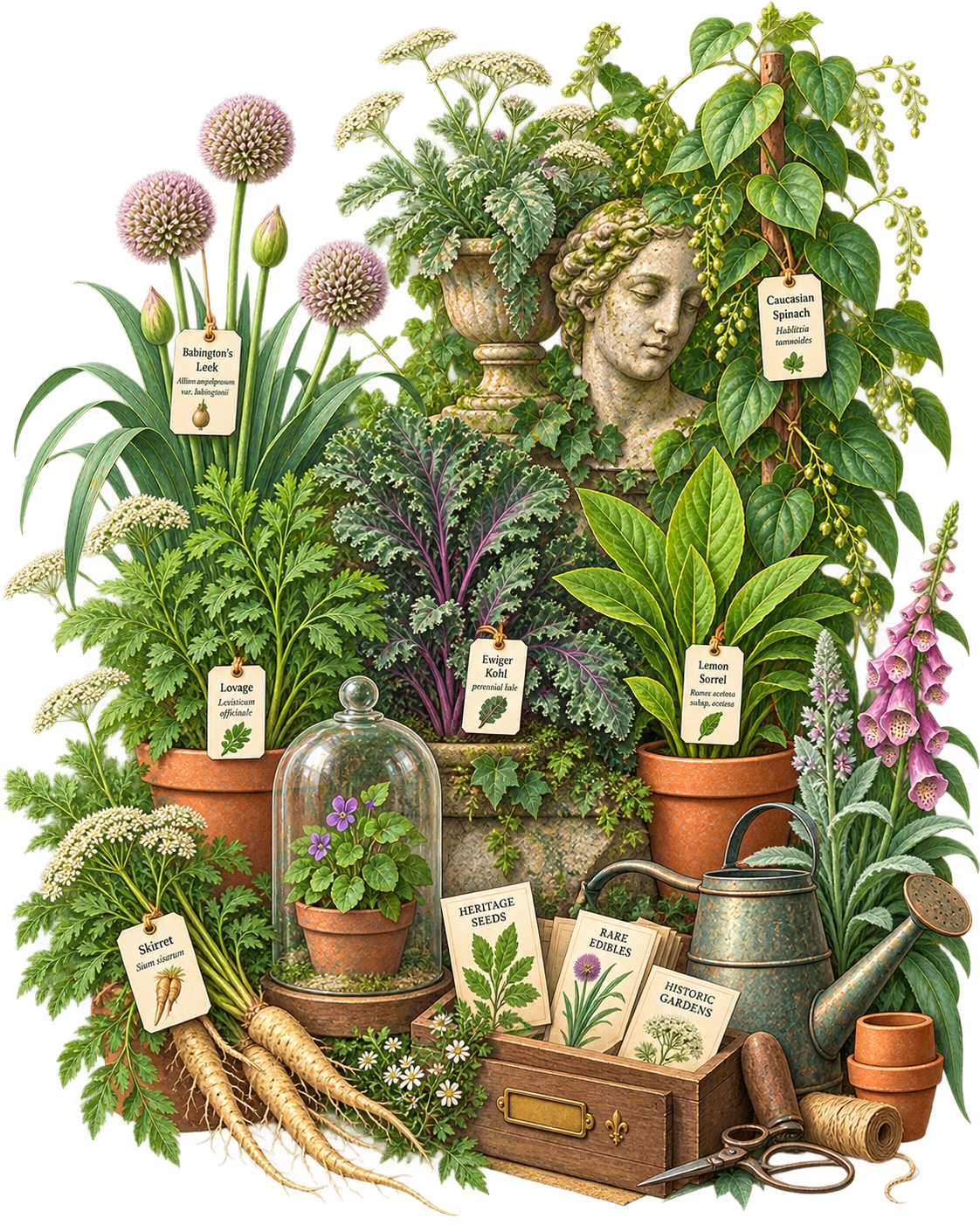
The Forgotten Garden groups its historical plant collection into five eras to show how food growing changed across the centuries. The history comes first here: explore the kind of garden people used, what mattered to the grower, and then meet the plants connected with that period.
Ancient gardens
The foundations of food growing. Hardy staples, wild plants, and early cultivated crops sustained communities long before formal gardens existed.
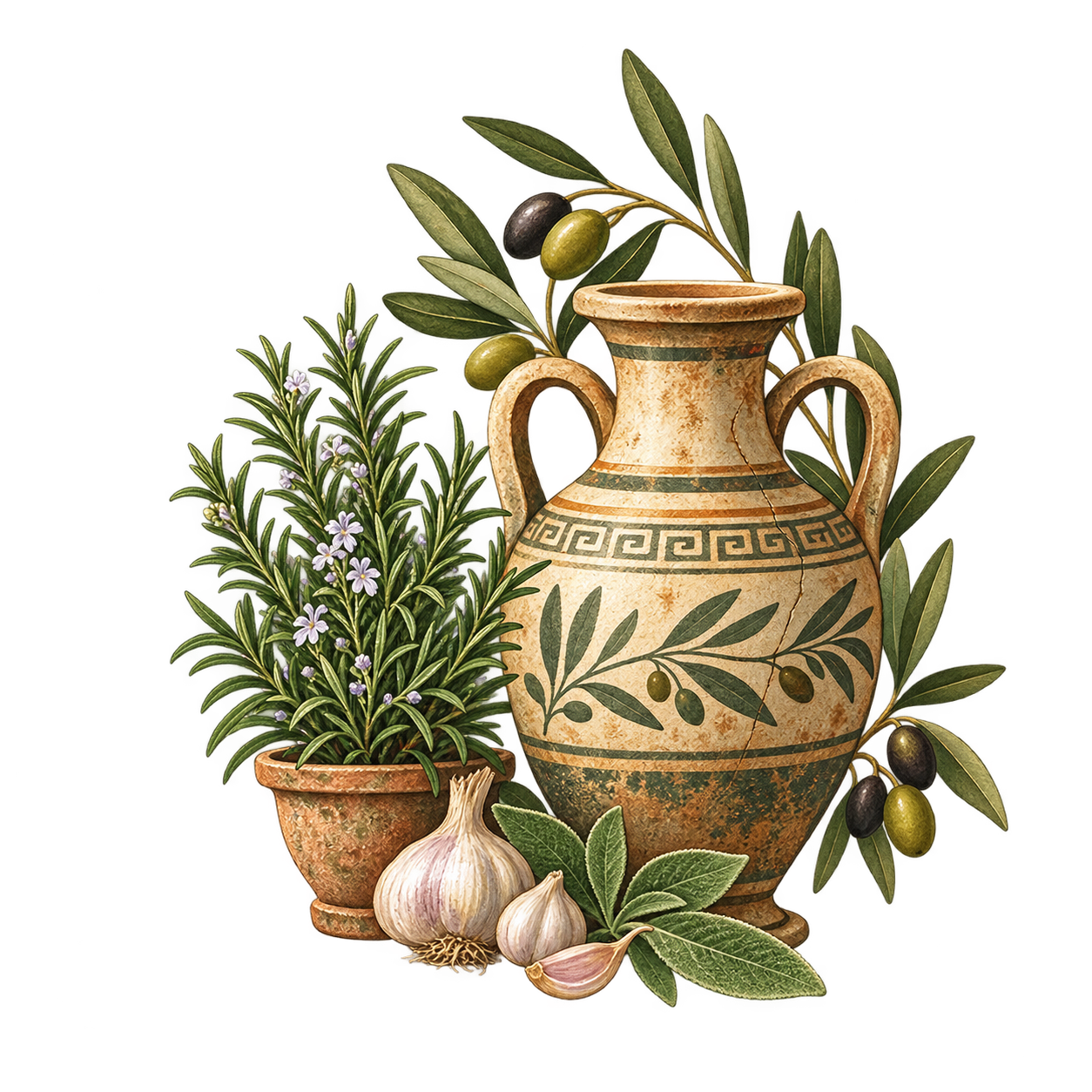
- Wild and semi-cultivated greens
- Hardy perennial food plants
- Useful herbs and medicinal plants
Medieval gardens
Practical, resilient, and rooted in daily survival. Monastery gardens, medicinal herbs, and reliable vegetables formed the backbone of medieval life.
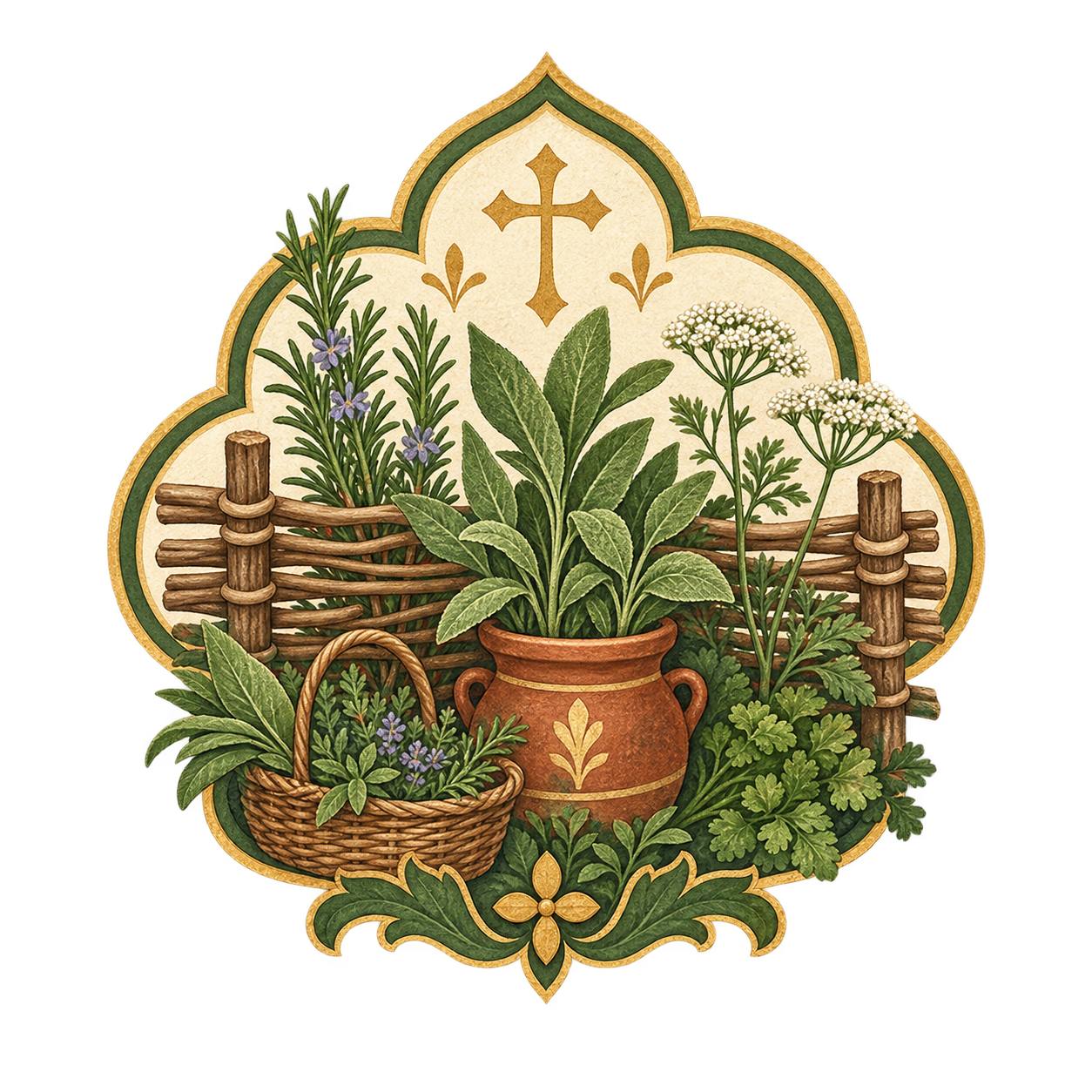
- Walled growing spaces
- Raised beds and paths
- Herbs, vegetables, fruit and flowers
Tudor gardens
A time of expansion and influence. New flavours arrived through trade, while kitchen gardens remained central to household food and herbal remedies.
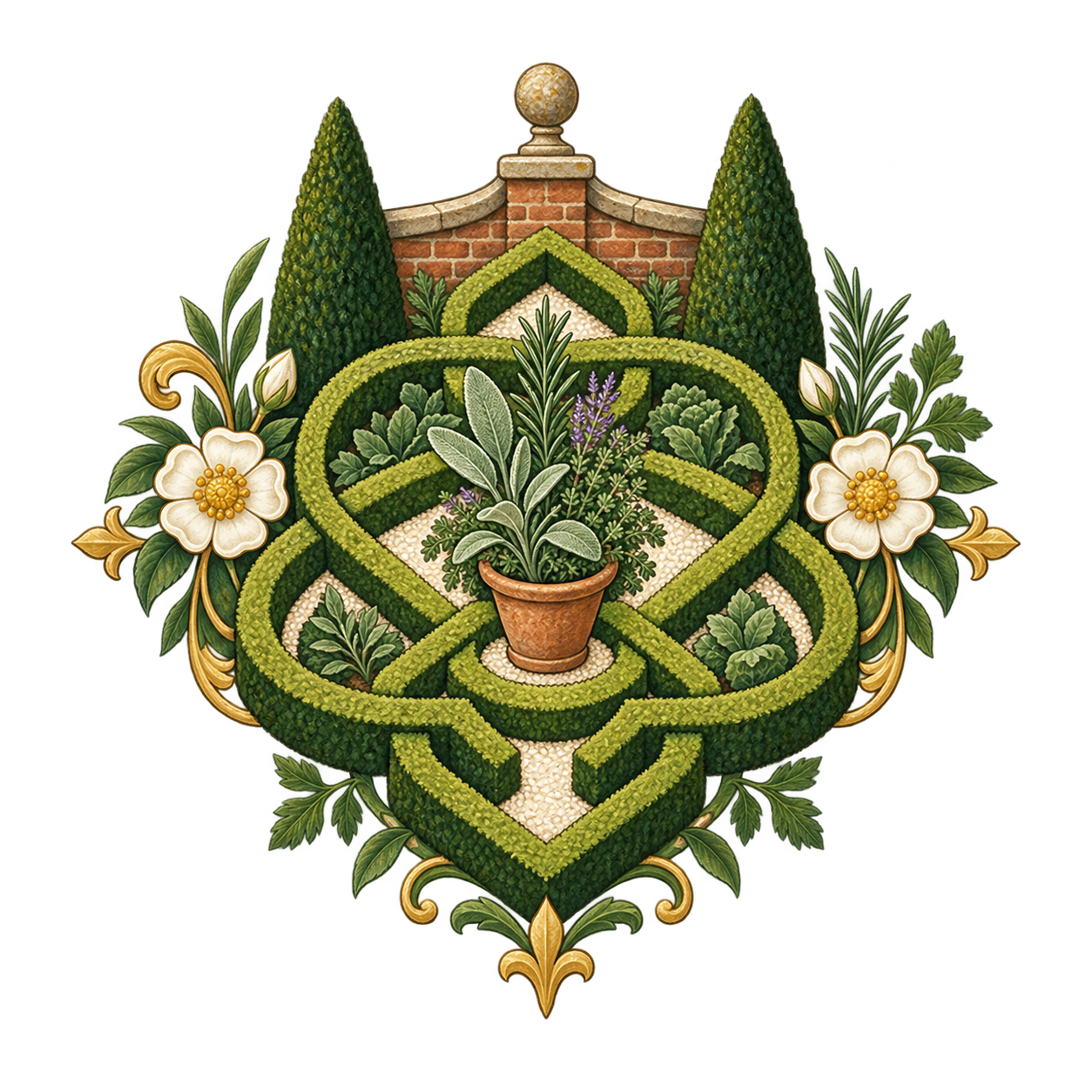
- Geometric beds
- Kitchen and medicinal crops
- New introductions through trade
Georgian gardens
Refinement and fashion entered the garden. Traditional pot herbs sat alongside elegant ingredients destined for increasingly sophisticated kitchens.
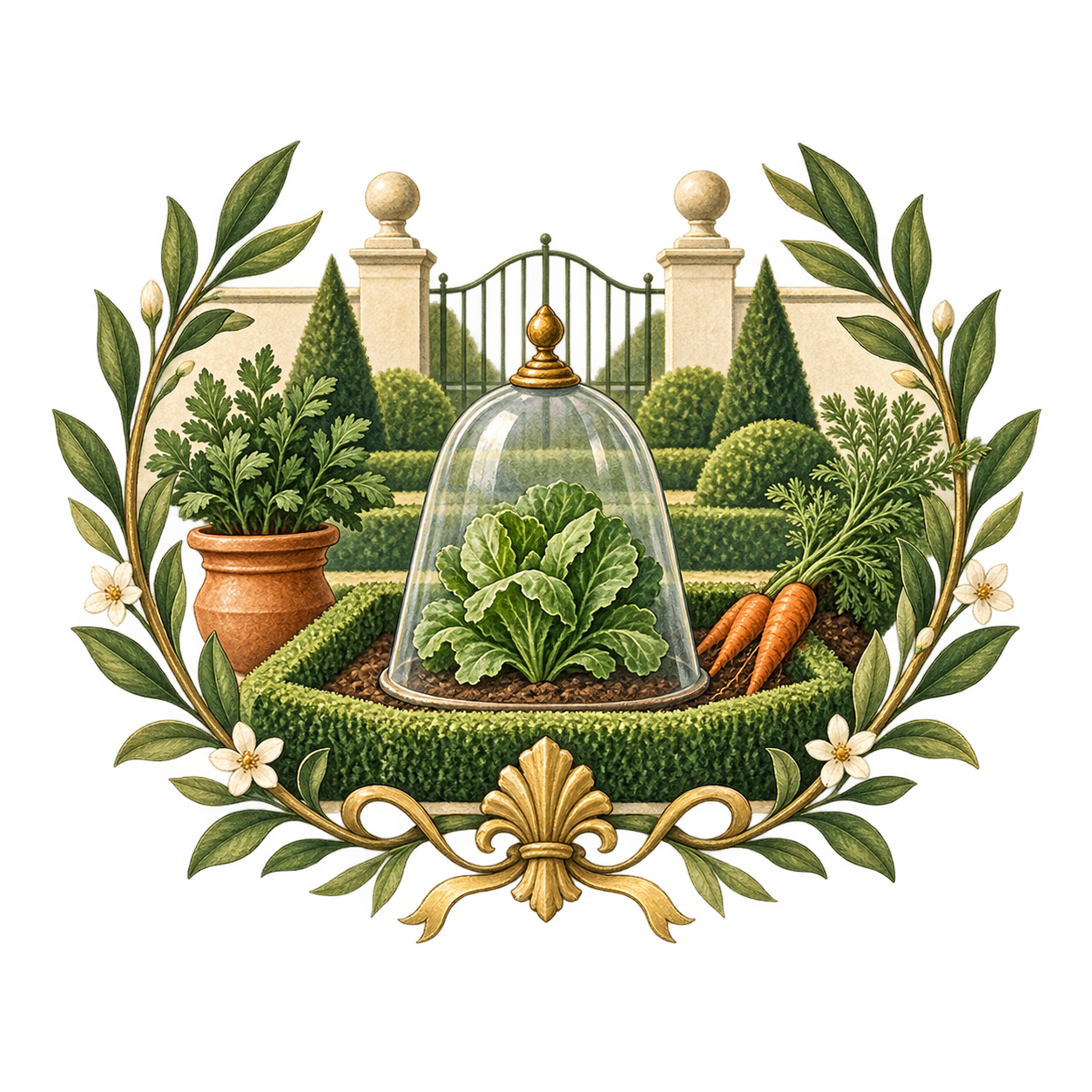
- Hidden productive kitchen gardens
- Orangeries and early glass
- Plant collecting and improvement
Victorian gardens
The great age of gardening. Allotments, glasshouses, and plant collectors transformed growing into a national passion, blending exotic introductions with old favourites.
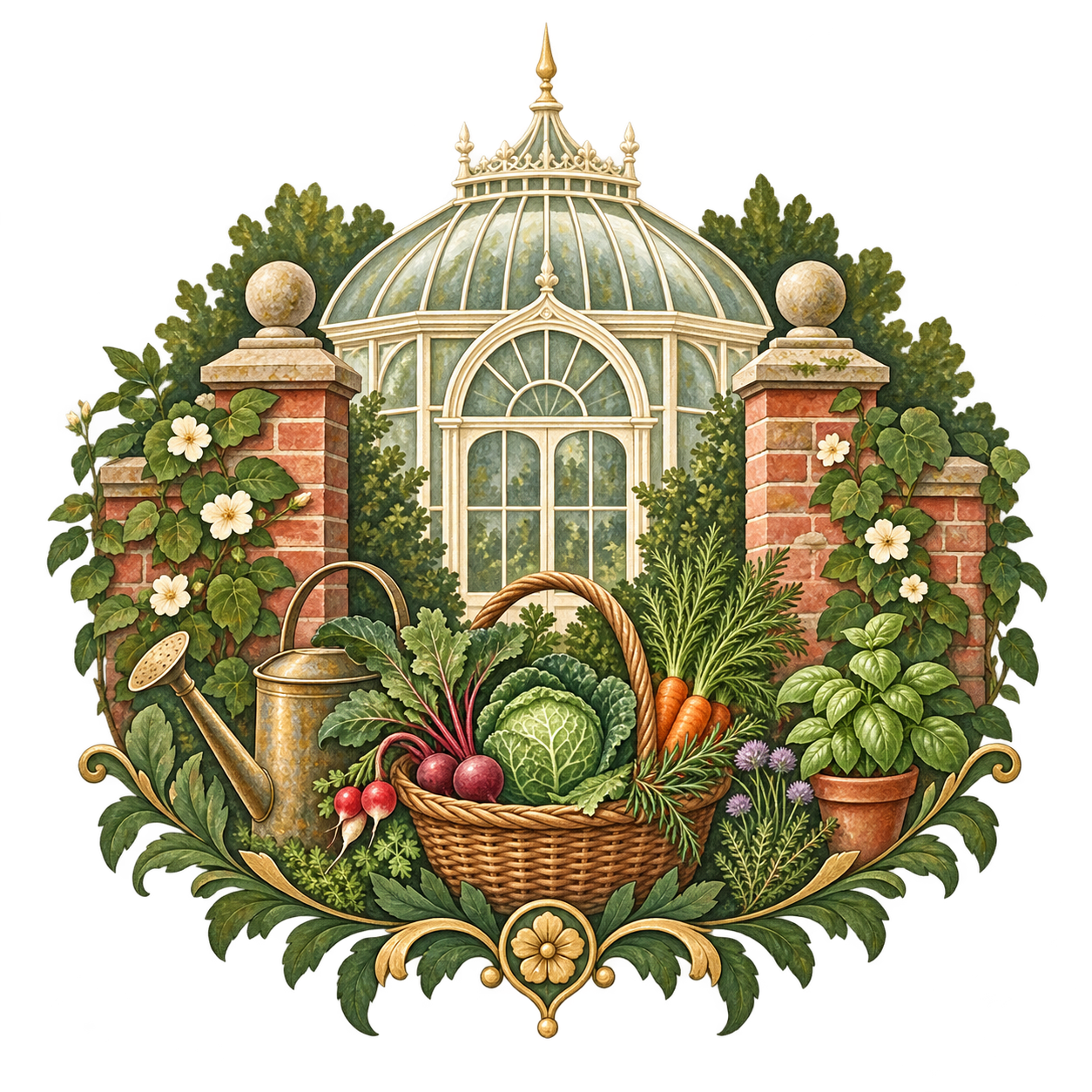
- Glasshouses and season extension
- Plant collecting and new crops
- Highly productive walled gardens