Why grow it?
A useful bridge between herb and vegetable: a permanent clump that provides repeated cuts of garlicky leaves and later produces edible flowers that pollinators also appreciate.
Herbs
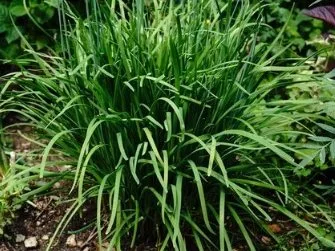
Allium tuberosum
A perennial chive with flat leaves and a gentle garlic flavour — cut it repeatedly, eat the flowers and divide the clump when you want more.
Each plant is grown in small batches and cared for individually before dispatch. Because these are living plants, their appearance naturally changes with the season — they may be compact and freshly potted at some times of year, or taller and more established at others. Plants are supplied healthy, well rooted and ready to continue growing on.
Why it belongs in a forgotten garden
A useful bridge between herb and vegetable: a permanent clump that provides repeated cuts of garlicky leaves and later produces edible flowers that pollinators also appreciate.
Allium tuberosum has a long history as a vegetable and seasoning across East Asia. Its leaves, flower buds and flowers are used in Chinese, Korean and other Asian cuisines, and the plant has become a useful perennial herb well beyond its original growing regions.
Growing guide
Fertile, moisture-retentive but well-drained soil. Incorporate compost before planting and avoid permanently waterlogged ground.
Light: Full sun is best; tolerates light partial shade
Water during establishment and in prolonged dry spells. Container-grown clumps need more regular watering to keep the leaves tender.
Sow seed in spring at about 1 cm deep, or divide established clumps in early spring. Division is the fastest way to make sturdy new plants.
Harvest regularly, remove tired foliage, and divide crowded clumps every few years to restore vigour. Flower heads can be removed to favour leaf production or left for edible flowers and insects.
From garden to kitchen
Leaves from spring into autumn; flower stems, buds and white flower heads later in the season.
Cut leaves as needed once plants are established, leaving enough growth for the clump to recover. Young flower stems, buds and open white flowers are also edible.
Leaves, tender flower stems, flower buds and flowers.
The leaves have a gentler garlic flavour than cloves of garlic and work well in egg dishes, dumplings, noodles, soups, stir-fries and savoury pancakes. Flowers make an attractive edible garnish.
The leaves provide fibre, vitamin C and other micronutrients alongside potassium, calcium and iron. Their distinctive flavour comes from sulphur-containing compounds characteristic of the Allium family.
Notable for vitamin E alongside useful amounts of iron, zinc, manganese and other minerals, all packed into a strongly flavoured perennial Allium leaf.
Worth knowing: Chinese Onion Chive packs useful nutrition into a strongly flavoured leaf, including vitamins C, E and K together with potassium, calcium, magnesium and iron.
Traditional medicinal uses, where mentioned in the historical material, are included as history rather than medical advice.
Kitchen history
Eggs are one of the simplest partners for the soft garlic flavour of Chinese chives.
Garlic chives are a familiar culinary vegetable in East Asian cooking, where both leaves and flower stems are used.
How tough is it?
Hardy and dependable once established. Clumps tolerate regular cutting and usually become more productive with age, although very dry soil reduces leaf quality.
Poor drainage can cause clumps to decline. Onion fly, allium leaf miner and rust are possible where those problems are present locally, but healthy clumps are generally straightforward.
The late white flower umbels are attractive to bees and other pollinating insects if some are allowed to bloom.
Excellent in containers; use a pot at least 20–25 cm deep and divide congested clumps every few years
Container plants generally need more frequent watering and feeding than the same plant in open ground.
Ready to grow it?
Each plant is grown in small batches and cared for individually before dispatch. Because these are living plants, their appearance naturally changes with the season — they may be compact and freshly potted at some times of year, or taller and more established at others. Plants are supplied healthy, well rooted and ready to continue growing on.
If this caught your eye…
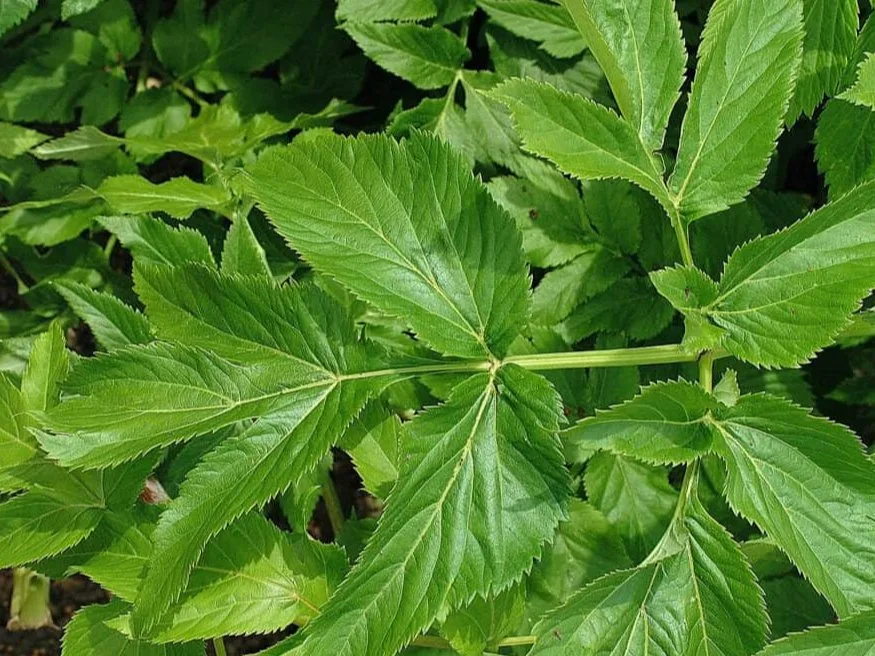
Angelica archangelica
A towering aromatic biennial once prized for candied stems, preserves and liqueurs.
Explore this plant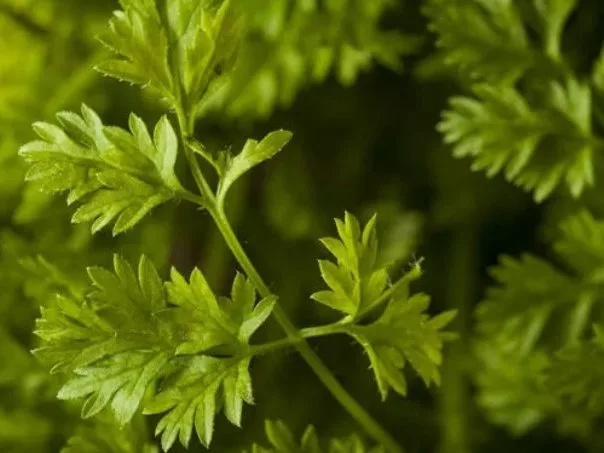
Anthriscus cerefolium
A delicate old kitchen-garden herb with a soft parsley-and-anise flavour.
Explore this plant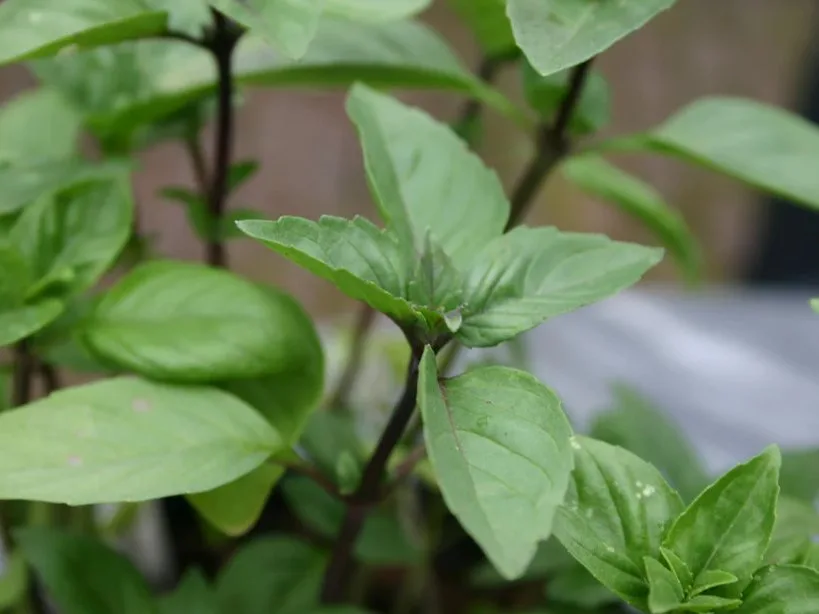
Ocimum basilicum ‘Cinnamon’
Basil with a warm cinnamon-like fragrance — familiar enough to use immediately, unusual enough to be interesting.
Explore this plant