Why grow it?
Angelica is half edible herb, half architectural event. It gives height and drama to a damp or partly shaded corner while producing aromatic stems, leaves and seeds for the kitchen.
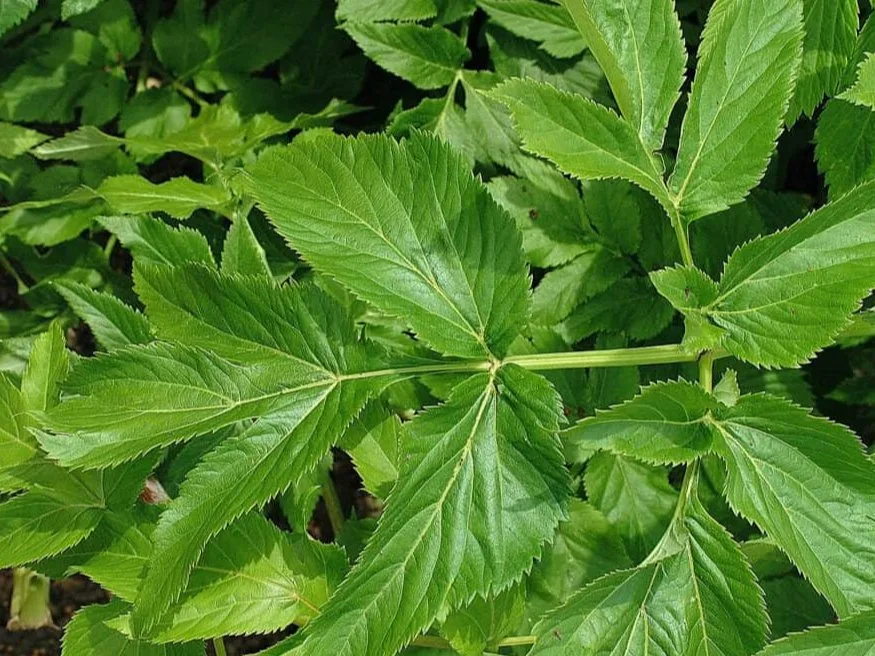
Herbs
Angelica archangelica
A towering aromatic biennial once prized for candied stems, preserves and liqueurs.
Each plant is grown in small batches and cared for individually before dispatch. Because these are living plants, their appearance naturally changes with the season — they may be compact and freshly potted at some times of year, or taller and more established at others. Plants are supplied healthy, well rooted and ready to continue growing on.
Why it belongs in a forgotten garden
Angelica is half edible herb, half architectural event. It gives height and drama to a damp or partly shaded corner while producing aromatic stems, leaves and seeds for the kitchen.
Tall, architectural, and deeply rooted in culinary and medicinal tradition, Angelica has been cultivated in European gardens for centuries. Valued for its striking presence as much as its usefulness, it became a favoured plant in monastery and later kitchen gardens, where its stems, seeds, and roots were all put to use. Angelica brings both drama and purpose to the garden, standing as a reminder of an era when plants were chosen for their breadth of value.
Explore its place in Georgian garden history.
Growing guide
Rich, moisture-retentive soil suits it best. Add organic matter before planting and avoid sites that bake hard in summer.
Light: Full sun to partial shade
Do not let young plants dry out. Established plants appreciate consistent moisture, particularly in warm weather.
Best from fresh seed, which loses viability comparatively quickly. Sow fresh in autumn or provide a cold period before spring germination.
Allow at least one strong plant to flower if you want seed. It is usually biennial and may die after flowering, so self-seeding or fresh sowing maintains the stand.
From garden to kitchen
Take young stems in spring before they become coarse and hollow. Seeds are harvested as heads mature and begin to dry.
Harvest young stems in the plant’s second spring before they become hollow and fibrous. Seeds are collected once mature and dry; allow plants to self-seed if you want continuity.
Young stems, leaves and seeds; roots have historic uses but are not needed for ordinary kitchen use.
Stems were traditionally candied or cooked, offering a sweet, aromatic flavour, while leaves and seeds were used to flavour liqueurs, preserves, and desserts. Its taste is complex and warming, best used sparingly.
Angelica is used mainly as an aromatic flavouring rather than eaten as a bulk vegetable, so its culinary value is flavour and tradition rather than nutrient quantity.
Worth knowing: Angelica is normally used in small culinary quantities, so it is not a major source of vitamins or minerals. Its value in the kitchen comes from its powerful aroma and distinctive flavour.
Traditional medicinal uses, where mentioned in the historical material, are included as history rather than medical advice.
Kitchen history
Candied Angelica was once a familiar decoration and flavouring in British baking.
Candied angelica is a traditional confectionery use of the plant; use only correctly identified edible Angelica.
How tough is it?
Hardy and moisture-loving, Angelica thrives in rich soils and cooler conditions. Once established, it grows vigorously with little intervention, returning reliably through self-seeding and offering a dramatic, productive presence in the garden.
Generally vigorous in suitable soil. Slugs can damage young plants. Sap from Angelica can make skin more sensitive to sunlight, so gloves are sensible when cutting large amounts in bright weather.
Large flower umbels are valuable to hoverflies, bees and other pollinating insects.
Best grown in open ground; very large containers (minimum 40–50 cm diameter and depth) required if potted
Container plants generally need more frequent watering and feeding than the same plant in open ground.
Ready to grow it?
Each plant is grown in small batches and cared for individually before dispatch. Because these are living plants, their appearance naturally changes with the season — they may be compact and freshly potted at some times of year, or taller and more established at others. Plants are supplied healthy, well rooted and ready to continue growing on.
If this caught your eye…
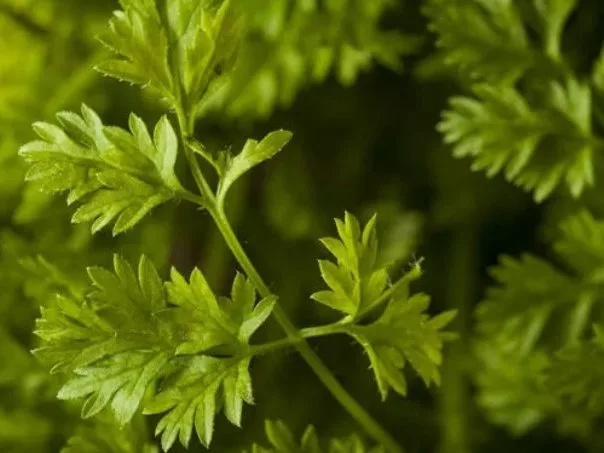
Anthriscus cerefolium
A delicate old kitchen-garden herb with a soft parsley-and-anise flavour.
Explore this plant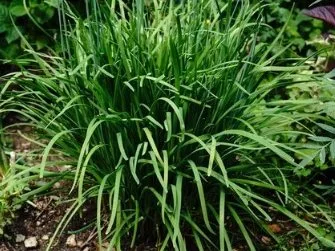
Allium tuberosum
A perennial chive with flat leaves and a gentle garlic flavour — cut it repeatedly, eat the flowers and divide the clump when you want more.
Explore this plant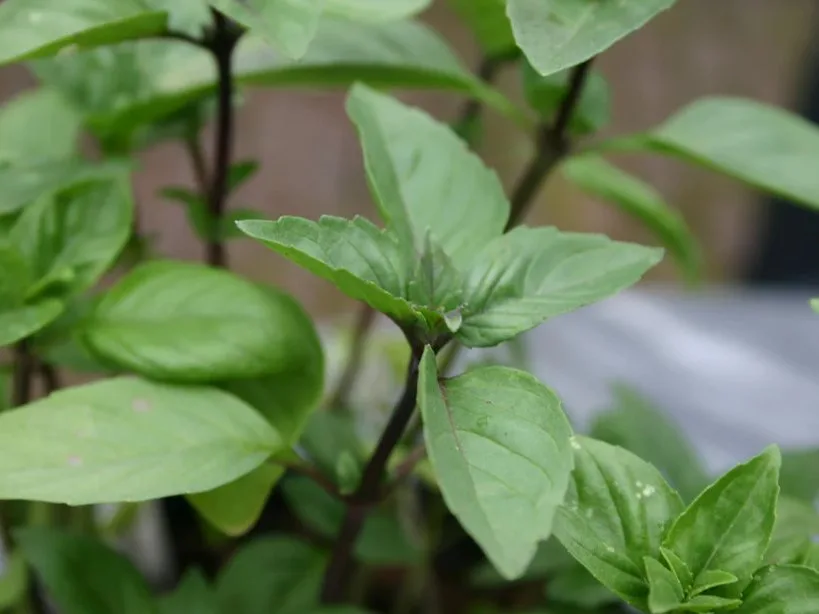
Ocimum basilicum ‘Cinnamon’
Basil with a warm cinnamon-like fragrance — familiar enough to use immediately, unusual enough to be interesting.
Explore this plant