
Why grow it?
A delicate herb that earns a place because it does something parsley cannot: soft aniseed freshness without dominating a dish. It is particularly useful in cool spring and autumn weather.
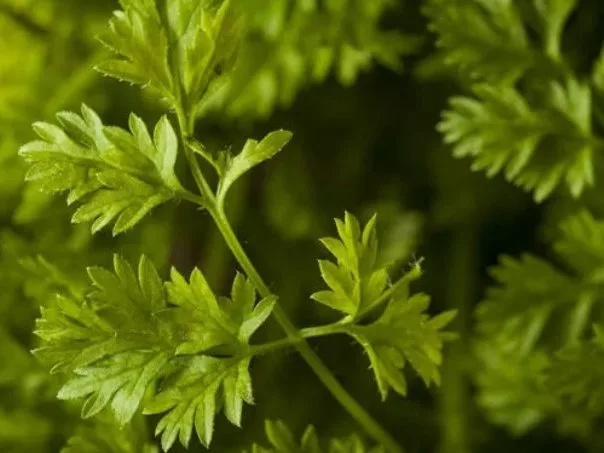
Herbs
Anthriscus cerefolium
A delicate old kitchen-garden herb with a soft parsley-and-anise flavour.
Each plant is grown in small batches and cared for individually before dispatch. Because these are living plants, their appearance naturally changes with the season — they may be compact and freshly potted at some times of year, or taller and more established at others. Plants are supplied healthy, well rooted and ready to continue growing on.
Why it belongs in a forgotten garden
A delicate herb that earns a place because it does something parsley cannot: soft aniseed freshness without dominating a dish. It is particularly useful in cool spring and autumn weather.
Often called “gourmet parsley,” Chervil (Anthriscus cerefolium) is a delicate herb with a subtle, anise-like flavour that is essential to classic French cooking. Once grown in monastery gardens, this elegant annual brings a refined touch to soups, salads, and egg dishes. It's a plant for the discerning cook who understands that a little refinement can make all the difference.
Explore its place in Medieval garden history.
Growing guide
Light, fertile soil that retains some moisture. It performs best in cooler conditions and can appreciate light shade.
Light: Partial shade to full sun (prefers cooler conditions)
Keep evenly moist; drought and heat encourage premature flowering.
Direct sow seed where it is to grow because chervil dislikes root disturbance. Successional sowings give a longer season.
Harvest frequently and remove flower stems if you want leaves for longer. Allow some plants to seed for a natural succession.
From garden to kitchen
Leaves are best in cool weather from spring into early summer and again from late summer/autumn sowings.
Cut leaves young and often before plants bolt. In warm weather it can run quickly to flower, so succession sowing keeps the harvest tender.
Leaves and tender stems.
Best used fresh to preserve its delicate, aniseed flavour. The leaves can be stirred into soups, omelettes, or salads right at the end of cooking, or used to add a sophisticated note to sauces and dressings.
Chervil is eaten in herb-sized portions, so its main contribution is fresh flavour rather than bulk nutrition.
Worth knowing: Chervil is eaten in herb-sized portions, so its main contribution is fresh flavour, but the leaves also provide vitamins A and C together with manganese and antioxidant plant compounds.
Traditional medicinal uses, where mentioned in the historical material, are included as history rather than medical advice.
Kitchen idea
Chervil is best added late so its fine flavour is not cooked away.
How tough is it?
Thriving in cooler conditions, this elegant herb is highly resistant to common pests. Chervil flourishes in partial shade, making it a low-fuss and reliable addition to your garden that adds a consistent touch of class to your kitchen.
Heat and drought are bigger problems than pests. Aphids can occasionally gather on soft growth.
If allowed to flower, its small umbels attract beneficial insects.
Perfect for small to medium containers (minimum 15–20 cm deep)
Container plants generally need more frequent watering and feeding than the same plant in open ground.
Ready to grow it?
Each plant is grown in small batches and cared for individually before dispatch. Because these are living plants, their appearance naturally changes with the season — they may be compact and freshly potted at some times of year, or taller and more established at others. Plants are supplied healthy, well rooted and ready to continue growing on.
If this caught your eye…
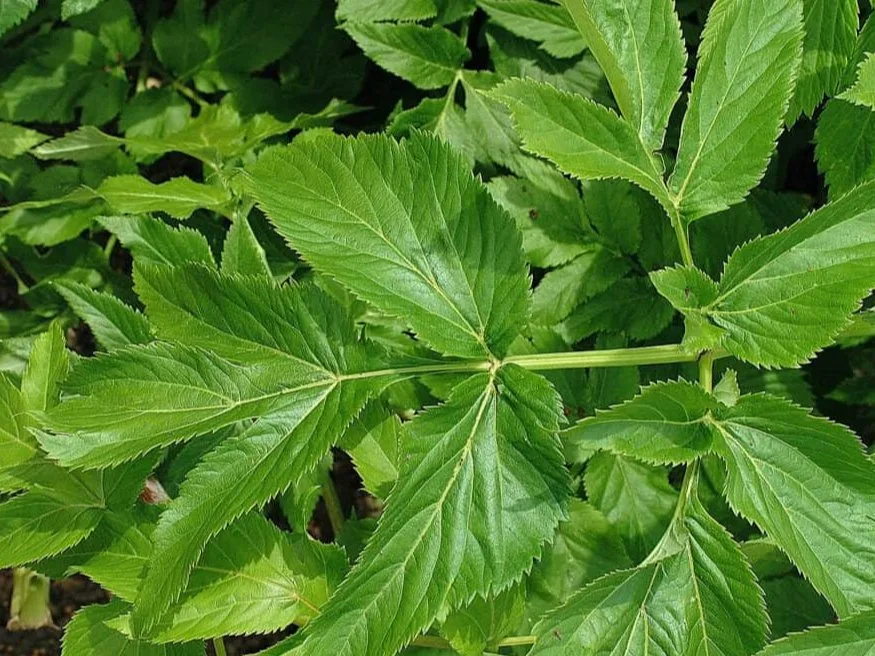
Angelica archangelica
A towering aromatic biennial once prized for candied stems, preserves and liqueurs.
Explore this plant
Allium tuberosum
A perennial chive with flat leaves and a gentle garlic flavour — cut it repeatedly, eat the flowers and divide the clump when you want more.
Explore this plant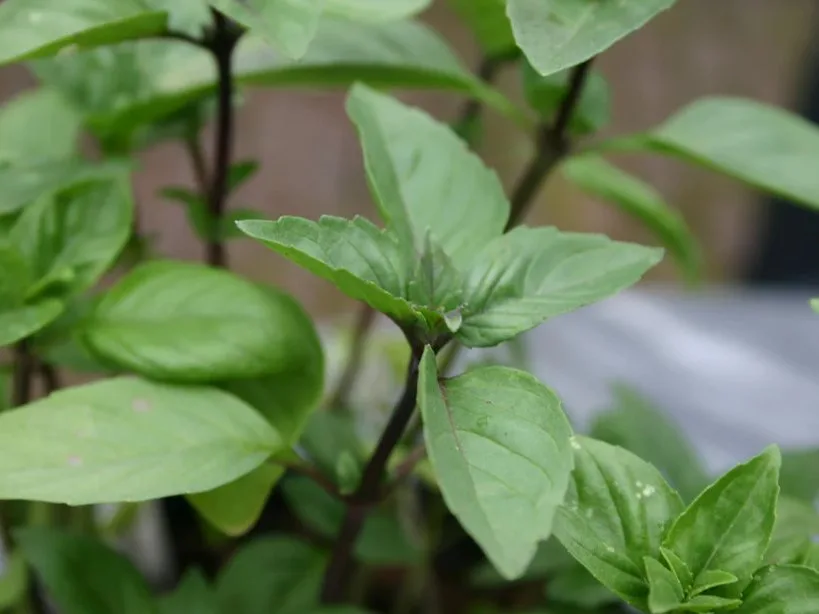
Ocimum basilicum ‘Cinnamon’
Basil with a warm cinnamon-like fragrance — familiar enough to use immediately, unusual enough to be interesting.
Explore this plant