
Why grow it?
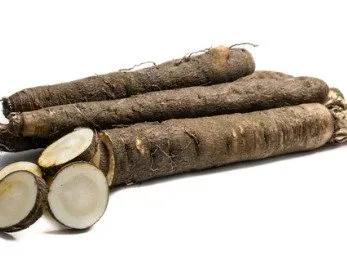
Scorzonera is the darker, hardier cousin of Salsify: long black-skinned roots, white flesh and a reputation as a refined winter vegetable that has almost vanished from ordinary gardens.
Roots & Tubers
Scorzonera hispanica
Black-skinned on the outside, creamy white within: an old root vegetable with a mild, sweet, nutty flavour.
Each plant is grown in small batches and cared for individually before dispatch. Because these are living plants, their appearance naturally changes with the season — they may be compact and freshly potted at some times of year, or taller and more established at others. Plants are supplied healthy, well rooted and ready to continue growing on.
Why it belongs in a forgotten garden
Scorzonera is the darker, hardier cousin of Salsify: long black-skinned roots, white flesh and a reputation as a refined winter vegetable that has almost vanished from ordinary gardens.
Also called black salsify, Scorzonera (Scorzonera hispanica) is an elegant root vegetable with a secret. Its unassuming black exterior hides a brilliant white flesh that is mildly sweet and nutty. Grown in kitchen gardens for its culinary and medicinal value, this hidden gem is a delicious surprise, a plant that truly proves that beauty is on the inside.
Explore its place in Georgian garden history.
Growing guide
Deep, stone-free soil is essential for long straight roots. Avoid recently manured or compacted ground.
Light: Full sun
Water during prolonged drought to prevent growth checks and coarse roots.
Direct sow in spring. Seed viability can decline quickly, so fresh seed is worthwhile.
Thin carefully and keep weeds down. The plants can be left in place beyond one season if roots are not all needed immediately.
From garden to kitchen
Lift from late autumn through winter. Dig deeply because the roots snap easily.
Lift roots from autumn onwards, taking care because the long roots snap easily. They can remain in the ground into winter where conditions allow.
Roots are the main crop; young leaves and flower buds are also edible.
The elegant roots are best prepared simply, by boiling, mashing, or roasting. They have a delicate, sweet flavour that is perfect in soups, gratins, or with rich, creamy sauces.
Roots provide fibre and carbohydrate, including inulin-type fructans. As with other inulin-rich foods, introduce large portions gradually if you are not used to them.
Worth knowing: Scorzonera is a useful winter root providing fibre, carbohydrate, iron and potassium, including inulin-type fructans that can be fermented by gut bacteria.
Traditional medicinal uses, where mentioned in the historical material, are included as history rather than medical advice.
Kitchen idea
The creamy white flesh works well with a simple baked sauce.
How tough is it?
A surprisingly tough perennial, Scorzonera is highly resistant to common pests and holds its own in a variety of conditions. It is a reliable, low-maintenance crop that rewards the gardener with a consistent yield.
Broken or forked roots mostly come from hard or stony soil. Slugs and root pests can occasionally damage crowns.
Yellow flowers are attractive to insects if plants are allowed to bloom.
Needs a deep container (minimum 30 cm) for straight root growth
Container plants generally need more frequent watering and feeding than the same plant in open ground.
Ready to grow it?
Each plant is grown in small batches and cared for individually before dispatch. Because these are living plants, their appearance naturally changes with the season — they may be compact and freshly potted at some times of year, or taller and more established at others. Plants are supplied healthy, well rooted and ready to continue growing on.
If this caught your eye…
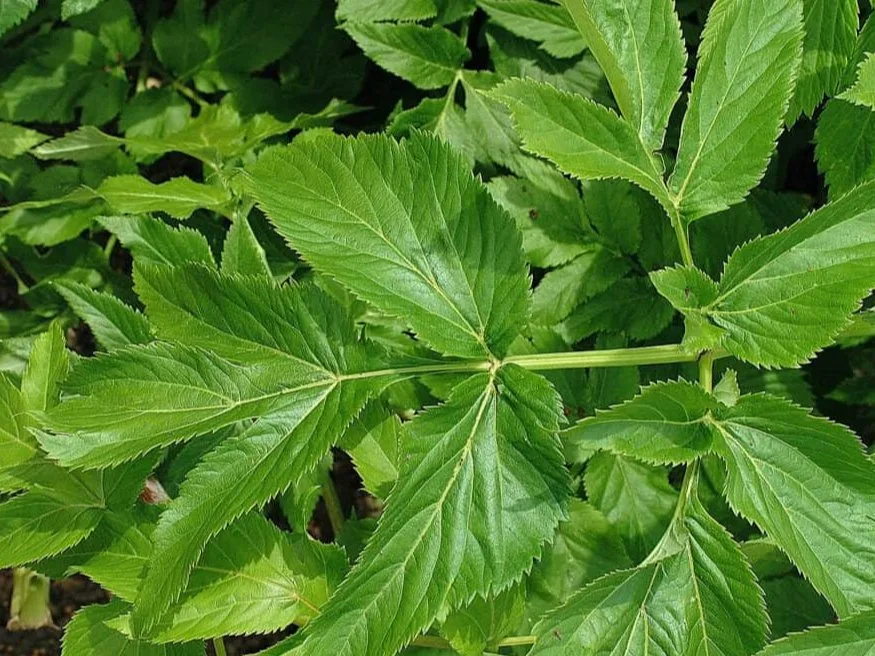
Angelica archangelica
A towering aromatic biennial once prized for candied stems, preserves and liqueurs.
Explore this plant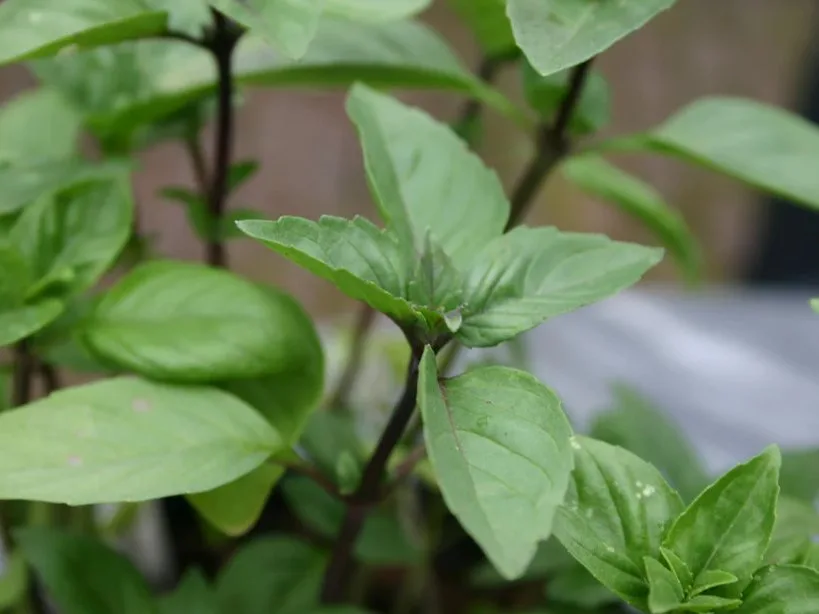
Ocimum basilicum ‘Cinnamon’
Basil with a warm cinnamon-like fragrance — familiar enough to use immediately, unusual enough to be interesting.
Explore this plant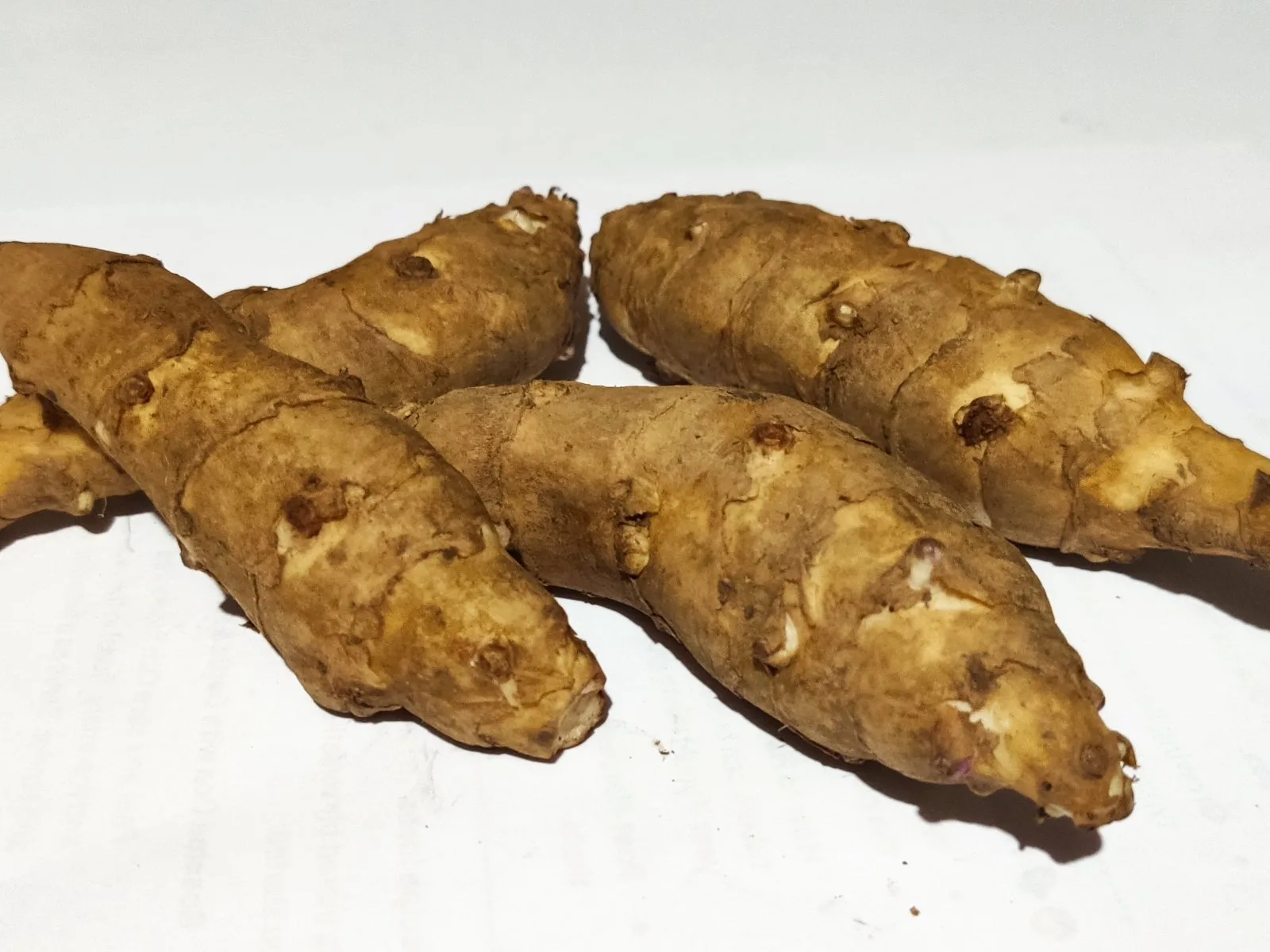
Helianthus tuberosus
A sunflower relative hiding huge crops of crisp, nutty tubers underground — vigorous enough to need containing.
Explore this plant