Why grow it?
A warm-season herb with the familiar softness of basil plus a distinct spicy, cinnamon-like perfume. It is as useful in fruit and drinks as it is with savoury food.
Herbs
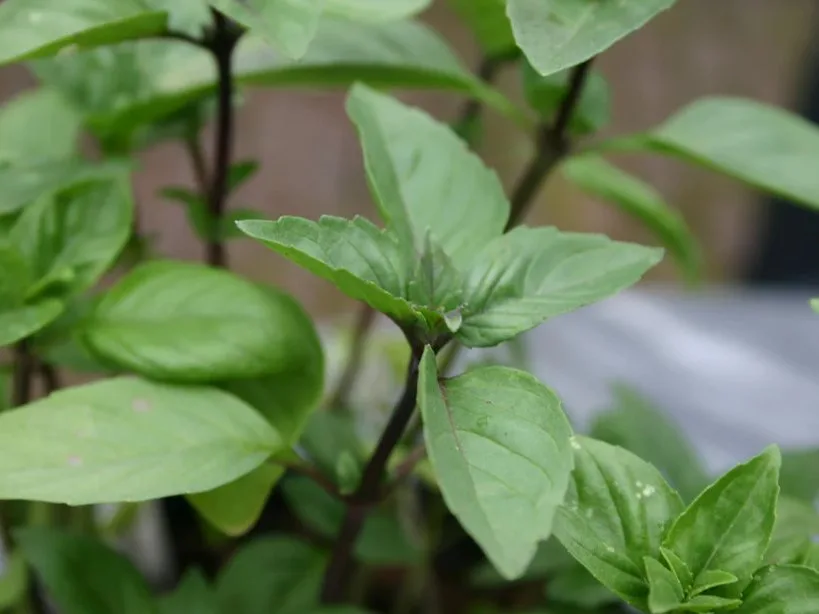
Ocimum basilicum ‘Cinnamon’
Basil with a warm cinnamon-like fragrance — familiar enough to use immediately, unusual enough to be interesting.
Each plant is grown in small batches and cared for individually before dispatch. Because these are living plants, their appearance naturally changes with the season — they may be compact and freshly potted at some times of year, or taller and more established at others. Plants are supplied healthy, well rooted and ready to continue growing on.
Why it belongs in a forgotten garden
A warm-season herb with the familiar softness of basil plus a distinct spicy, cinnamon-like perfume. It is as useful in fruit and drinks as it is with savoury food.
Fragrant and slightly unexpected, Cinnamon Basil brings warmth and spice to the garden in a way that feels both familiar and novel. While basil has been grown for centuries, this aromatic form reflects a growing interest in flavour variation and culinary refinement, where herbs were valued not just for use, but for character. Upright, decorative, and richly scented, Cinnamon Basil earns its place as a kitchen garden curiosity.
Explore its place in Georgian garden history.
Growing guide
Rich, free-draining soil or good-quality potting compost in a warm position.
Light: Full sun (sheltered, warm position preferred)
Keep evenly moist but never permanently waterlogged. Containers dry quickly in summer.
Sow seed with warmth in spring, or take soft cuttings in summer. It is frost tender.
Pinch growing tips regularly to encourage branching and remove flower spikes if leaf production is the priority.
From garden to kitchen
Harvest leaves repeatedly from early summer until cold weather. Pick before flowering for the softest flavour.
Pinch shoot tips regularly and harvest leaves before flowering for the strongest flavour. Removing flower spikes keeps plants producing leaves longer.
Leaves, tender stems and flowers.
Leaves carry a warm, sweet spice reminiscent of cinnamon and clove, making them well suited to fruit dishes, teas, syrups, and lightly spiced savoury recipes. Flowers are also edible and aromatic, adding both flavour and visual interest.
Used as a herb rather than a bulk vegetable; its chief value is aromatic flavour and the variety it brings to summer cooking.
Worth knowing: Because Cinnamon Basil is used as a herb rather than a bulk vegetable, its greatest value is flavour and aroma, with vitamin K, pro-vitamin A and antioxidant plant compounds as a useful extra.
Traditional medicinal uses, where mentioned in the historical material, are included as history rather than medical advice.
Kitchen idea
A quick syrup makes the spicy aroma obvious without overwhelming it.
How tough is it?
Quick-growing and productive in warm conditions, Cinnamon Basil thrives with regular harvesting and good airflow. While sensitive to cold, it rewards care with abundant growth, making it an ideal container-grown herb for sunny gardens and sheltered spaces.
Cold is the main enemy. Aphids, whitefly and slugs can attack soft growth, particularly under cover.
If allowed to flower, basil is very attractive to bees.
Very well suited to containers (minimum 20–25 cm diameter); pots allow warmth and easy positioning
Container plants generally need more frequent watering and feeding than the same plant in open ground.
Ready to grow it?
Each plant is grown in small batches and cared for individually before dispatch. Because these are living plants, their appearance naturally changes with the season — they may be compact and freshly potted at some times of year, or taller and more established at others. Plants are supplied healthy, well rooted and ready to continue growing on.
If this caught your eye…
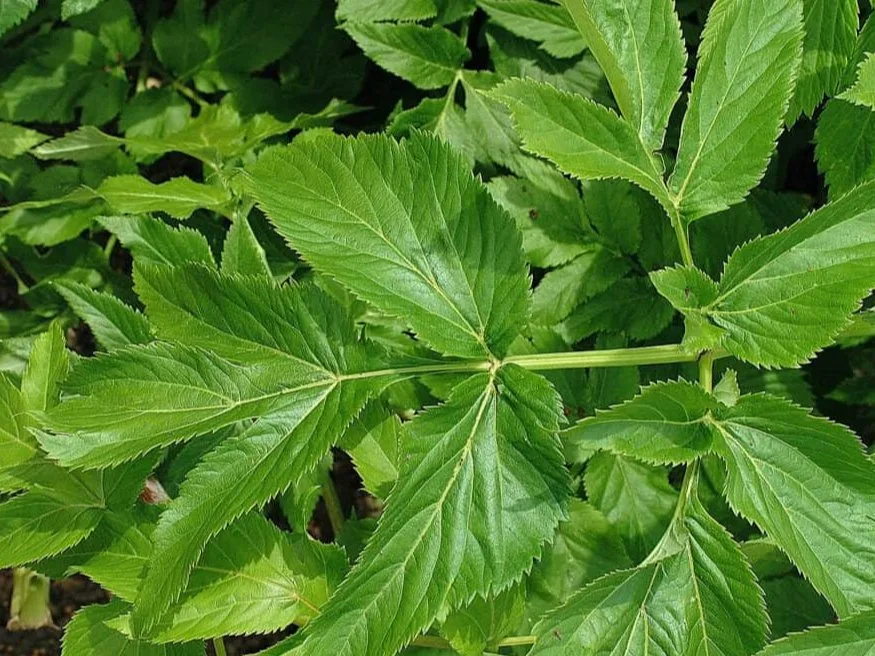
Angelica archangelica
A towering aromatic biennial once prized for candied stems, preserves and liqueurs.
Explore this plant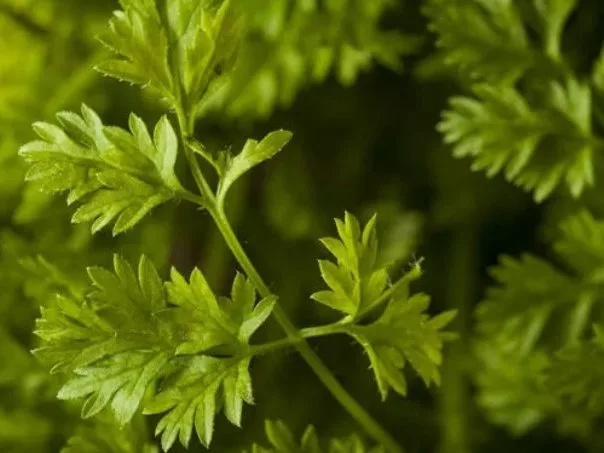
Anthriscus cerefolium
A delicate old kitchen-garden herb with a soft parsley-and-anise flavour.
Explore this plant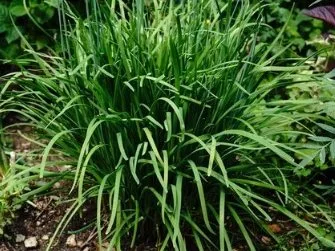
Allium tuberosum
A perennial chive with flat leaves and a gentle garlic flavour — cut it repeatedly, eat the flowers and divide the clump when you want more.
Explore this plant