Why grow it?
A towering sunflower relative with an underground harvest. Jerusalem artichokes are difficult to ignore, difficult to kill and exceptionally good at turning a small planting into a recurring winter crop.
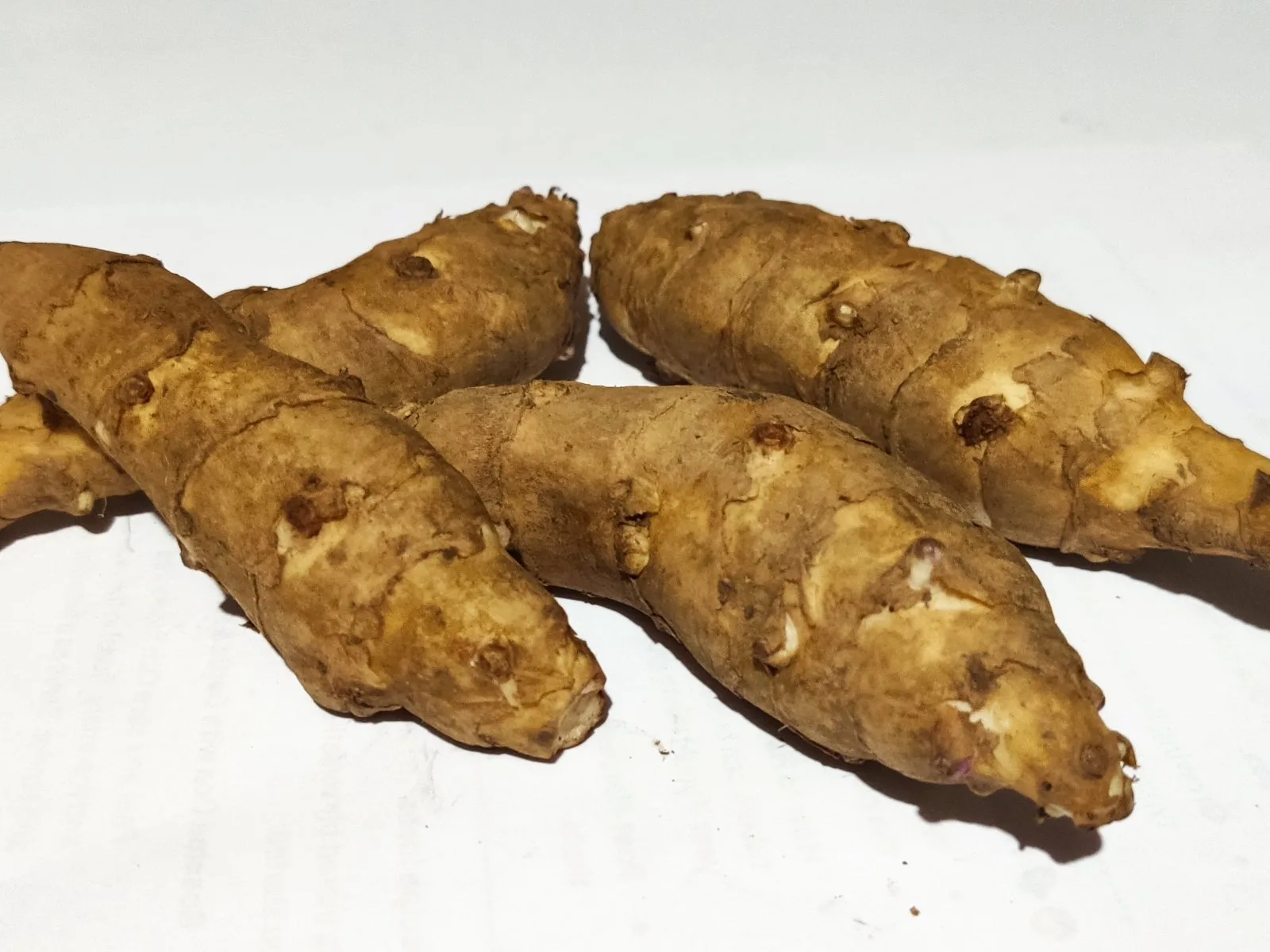
Roots & Tubers
Helianthus tuberosus
A sunflower relative hiding huge crops of crisp, nutty tubers underground — vigorous enough to need containing.
Each tuber is selected from healthy stock and prepared for planting. As a natural living product, size, shape and appearance will vary, and tubers may be supplied dormant depending on the season. They are sent in suitable condition for planting and ready to establish once growing conditions are right.
Why it belongs in a forgotten garden
A towering sunflower relative with an underground harvest. Jerusalem artichokes are difficult to ignore, difficult to kill and exceptionally good at turning a small planting into a recurring winter crop.
Also known as sunchokes, these sunflower relatives are a force of nature. Once a favourite in Victorian kitchens, these tubers produce a nutty, sweet flavour and thrive in even the toughest UK conditions. They are a beloved favourite, so be sure to grow them in a contained space as they will happily take over your garden if given the chance.
Explore its place in Victorian garden history.
Growing guide
Adaptable, but loose fertile soil makes harvesting easier and gives smoother tubers. Avoid a permanent spot where spreading would be a problem.
Light: Full sun
Water during establishment and severe drought, but mature plants are generally resilient.
Plant tubers in spring, much like potatoes. Even small tuber pieces left in the ground can regrow.
Stake or shelter very tall plants in exposed positions. Harvest thoroughly if you want to limit spread; deliberately leave a few tubers if you want a permanent patch.
From garden to kitchen
Lift tubers from late autumn through winter after the tops die back. They keep best in the ground and can be dug as required where soil conditions allow.
Lift tubers from late autumn through winter as needed. Harvest thoroughly if you want to control spread; even small tubers left behind can regrow.
Tubers are the main edible crop.
The tubers are delicious roasted, boiled, or turned into hearty soups. Their nutty, slightly sweet flavour pairs beautifully with creamy or savoury dishes.
Tubers are rich in inulin rather than starch. Inulin is a fermentable fibre and can cause considerable wind or bloating in some people, so modest portions are sensible at first.
The standout feature is inulin: Jerusalem Artichoke stores much of its carbohydrate as this soluble, fermentable fibre rather than as ordinary starch.
Worth knowing: Jerusalem Artichokes are especially notable for inulin, a fermentable fibre that replaces much of the starch found in more conventional tubers. Large portions can cause wind or digestive discomfort for some people.
Traditional medicinal uses, where mentioned in the historical material, are included as history rather than medical advice.
Kitchen idea
Roasting gives the nutty, artichoke-like flavour a crisp edge.
How tough is it?
A truly unstoppable plant, Jerusalem Artichokes are highly resistant to common pests and are built for thriving in tough conditions. They will grow happily in most soils, providing an abundant harvest with very little fuss.
Usually tough. Slugs can damage tubers and rodents may find them. The biggest management issue is spread rather than disease.
Late flowers, where produced, are useful to pollinators and the tall stems add seasonal structure.
Needs a very large, deep container (minimum 40–45 cm deep); harvest thoroughly to prevent escape
Container plants generally need more frequent watering and feeding than the same plant in open ground.
Ready to grow it?
Each tuber is selected from healthy stock and prepared for planting. As a natural living product, size, shape and appearance will vary, and tubers may be supplied dormant depending on the season. They are sent in suitable condition for planting and ready to establish once growing conditions are right.
If this caught your eye…
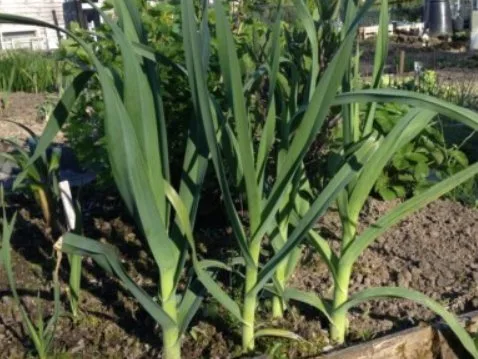
Allium ampeloprasum var. babingtonii
A perennial leek relative that returns year after year and even produces little bulbils at the top of its flower stem.
Explore this plant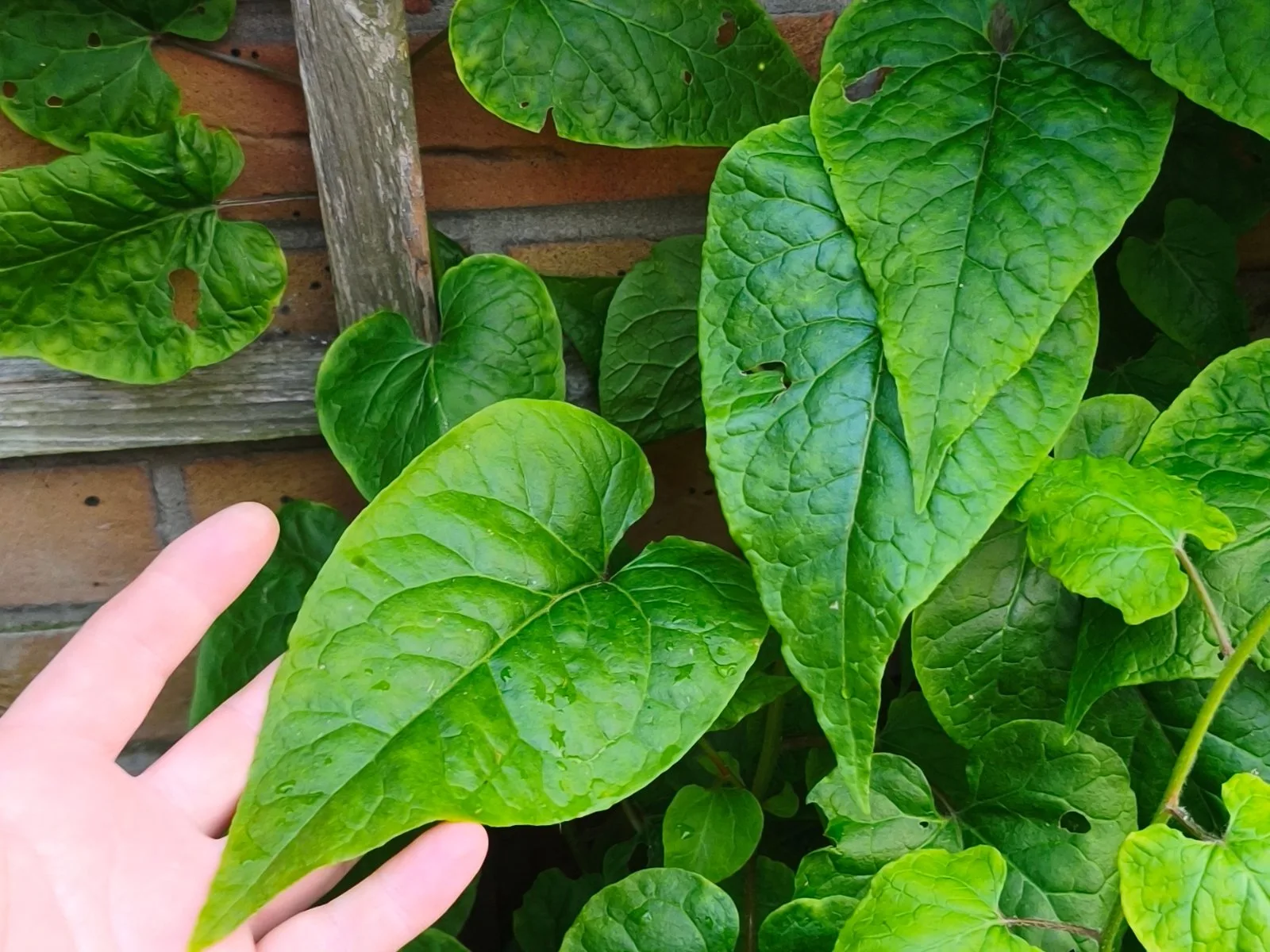
Hablitzia tamnoides
A rare perennial climbing spinach that actually likes shade and can produce edible shoots and leaves for decades.
Explore this plant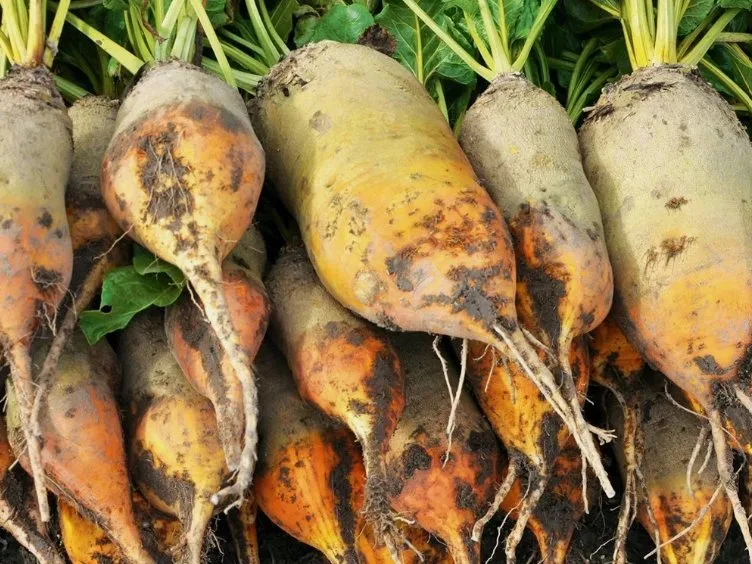
Beta vulgaris
A giant old fodder beet bred for dependable bulk: part Victorian curiosity, part serious food-security crop.
Explore this plant