
Why grow it?
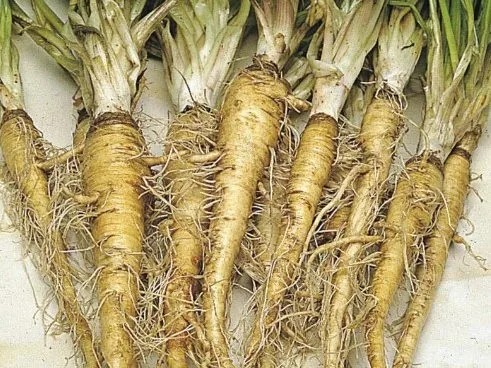
A root vegetable from the era when winter gardens contained far more than carrots and parsnips. Salsify rewards deep soil and patience with long pale roots and a delicate flavour.
Roots & Tubers
Tragopogon porrifolius
A long-rooted historic vegetable nicknamed the “oyster plant” for its mild savoury flavour.
Each plant is grown in small batches and cared for individually before dispatch. Because these are living plants, their appearance naturally changes with the season — they may be compact and freshly potted at some times of year, or taller and more established at others. Plants are supplied healthy, well rooted and ready to continue growing on.
Why it belongs in a forgotten garden
A root vegetable from the era when winter gardens contained far more than carrots and parsnips. Salsify rewards deep soil and patience with long pale roots and a delicate flavour.
Nicknamed “oyster plant” for its mild, savoury flavour, Salsify (Tragopogon porrifolius) is a humble but delicious root crop with a reputation for rewarding a gardener's patience. Cultivated since the Middle Ages in monastery gardens, its long, tender roots offer an elegant taste that is worth the extra effort. For those who can master its needs, it is a culinary prize.
Explore its place in Tudor garden history.
Growing guide
Deep, stone-free, sandy or loamy soil. Avoid fresh manure and compacted ground, both of which encourage forked roots.
Light: Full sun
Keep evenly moist during active growth but do not waterlog.
Direct sow in spring where the crop is to mature; roots dislike transplanting.
Thin seedlings early and weed carefully. Mulch can help maintain soil moisture and make autumn lifting easier.
From garden to kitchen
Lift from autumn through winter as required. Roots can stay in the ground in many gardens until needed.
Lift the long roots from autumn onwards after a full growing season. The roots are easiest to use while firm and undamaged.
Roots are the main crop; young shoots and flower buds also have edible traditions.
The roots have a subtle oyster-like flavour that is delicate and lovely, especially when boiled, mashed, or roasted. They are a delightful addition to soups, stews, and creamy sauces.
The root provides carbohydrate, fibre and minerals typical of root vegetables. It contains inulin-type carbohydrates, so large servings may not suit everyone’s digestion.
Worth knowing: Salsify is a substantial winter root providing fibre, carbohydrate, potassium and iron. Its mild, slightly oyster-like flavour gives it a very different character from ordinary root vegetables.
Traditional medicinal uses, where mentioned in the historical material, are included as history rather than medical advice.
Kitchen idea
A gentle preparation that does not bury the root’s delicate flavour.
How tough is it?
While it requires specific care to grow a long, straight root, Salsify is a generally low-maintenance plant. It is highly resistant to common pests and holds its own in a variety of conditions, a testament to its quiet but determined nature.
Forked roots are usually a soil problem rather than disease. Slugs and root damage can occur; good rotation reduces soil-borne issues.
Purple flowers are attractive to pollinators if plants are allowed to flower in their second year.
Requires a deep container (minimum 30 cm) to allow straight root growth.
Container plants generally need more frequent watering and feeding than the same plant in open ground.
Ready to grow it?
Each plant is grown in small batches and cared for individually before dispatch. Because these are living plants, their appearance naturally changes with the season — they may be compact and freshly potted at some times of year, or taller and more established at others. Plants are supplied healthy, well rooted and ready to continue growing on.
If this caught your eye…
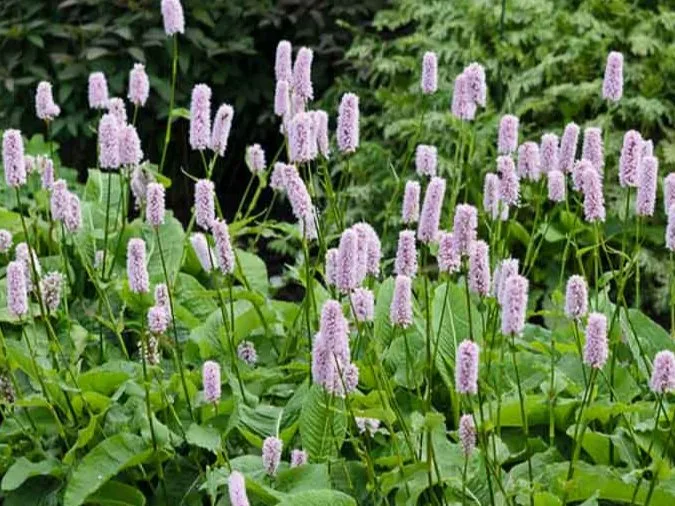
Persicaria bistorta
A hardy perennial once gathered for traditional spring greens and northern seasonal dishes.
Explore this plant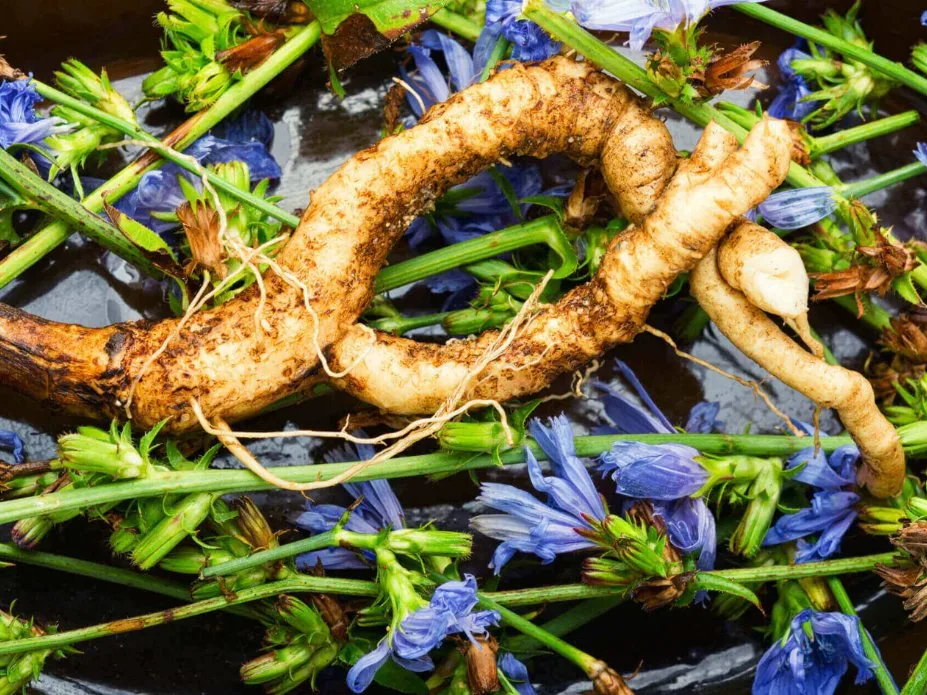
Cichorium intybus
A deep-rooted perennial with bitter leaves, vivid blue flowers and roots historically roasted as a coffee substitute.
Explore this plant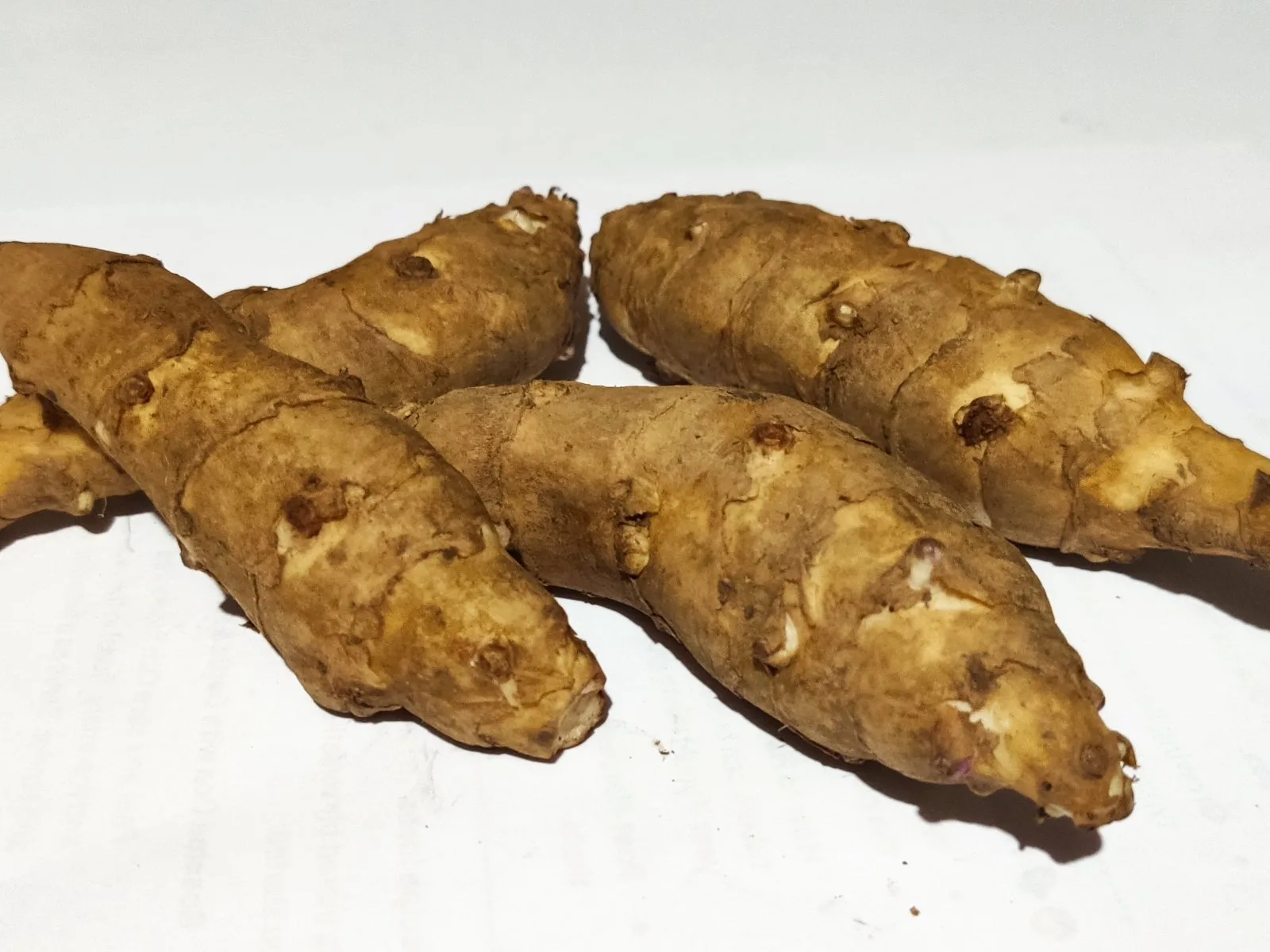
Helianthus tuberosus
A sunflower relative hiding huge crops of crisp, nutty tubers underground — vigorous enough to need containing.
Explore this plant