Why grow it?
A wonderfully versatile plant: bitter salad leaves, blanched hearts, edible flowers and a root with a long history as a coffee substitute. It is as much a technique as a vegetable.
Perennial Vegetables
Cichorium intybus
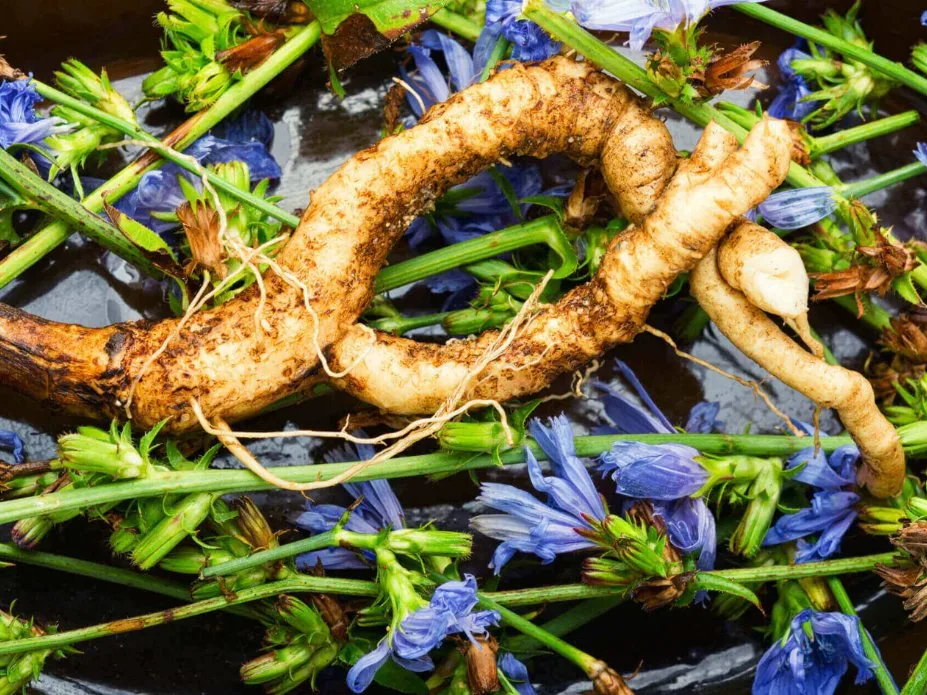
A deep-rooted perennial with bitter leaves, vivid blue flowers and roots historically roasted as a coffee substitute.
Each plant is grown in small batches and cared for individually before dispatch. Because these are living plants, their appearance naturally changes with the season — they may be compact and freshly potted at some times of year, or taller and more established at others. Plants are supplied healthy, well rooted and ready to continue growing on.
Why it belongs in a forgotten garden
A wonderfully versatile plant: bitter salad leaves, blanched hearts, edible flowers and a root with a long history as a coffee substitute. It is as much a technique as a vegetable.
A plant of roadsides, fields, and early gardens, Chicory has been grown and gathered for centuries for both sustenance and strength. With its striking blue flowers and deep taproot, it was valued as a hardy, dependable crop that thrived where richer plants failed. Bitter, resilient, and deeply rooted, Chicory reflects an older approach to food — one that favoured usefulness over ease.
Explore its place in Tudor garden history.
Growing guide
Deep, fertile, well-drained soil, especially if growing for roots. Leaf forms are less demanding.
Light: Full sun
Water during establishment and prolonged dry spells; steady growth produces better leaves.
Sow seed in spring to early summer. Plants intended for forcing are grown on through summer before roots are lifted later in the year.
Remove weeds while young. For forced chicons, lift mature roots, trim foliage and replant roots in darkness to produce pale, tender shoots.
From garden to kitchen
Leaves can be cut through the growing season; roots are generally lifted in autumn. Forced chicons are produced through winter.
Pick young leaves whenever tender. Roots for roasting are lifted after they have developed good size, usually later in the season.
Leaves, forced shoots, flowers and roasted root.
Roots can be harvested, dried, and roasted as a traditional coffee substitute, while flower buds and stems were also used in early kitchen gardens. Leaves have a pronounced bitter flavour and are best used young in salads or cooked to soften their intensity.
Leaves provide fibre and typical leafy-green micronutrients. The root is rich in inulin, a fermentable fibre that can cause digestive discomfort for some people in large amounts.
Chicory leaves are especially notable for vitamin K, while the root stores much of its carbohydrate as inulin, a fermentable dietary fibre.
Worth knowing: Chicory offers two quite different foods: the leaves provide the micronutrients expected from a bitter leafy green, while the root is particularly notable for its high inulin content.
Traditional medicinal uses, where mentioned in the historical material, are included as history rather than medical advice.
Kitchen idea
Cooking softens chicory’s bitterness and brings out a gentle sweetness.
How tough is it?
Deep-rooted and drought tolerant, Chicory thrives in poor, dry soils and exposed conditions. Its ability to draw nutrients from deep underground makes it a reliable survivor, returning year after year with minimal care.
Generally robust. Slugs can mark young leaves; root rots are more likely in poorly drained ground.
Blue flowers are attractive to bees and other pollinators.
Best grown in open ground; deep containers (minimum 40 cm depth) required if grown in pots
Container plants generally need more frequent watering and feeding than the same plant in open ground.
Ready to grow it?
Each plant is grown in small batches and cared for individually before dispatch. Because these are living plants, their appearance naturally changes with the season — they may be compact and freshly potted at some times of year, or taller and more established at others. Plants are supplied healthy, well rooted and ready to continue growing on.
If this caught your eye…
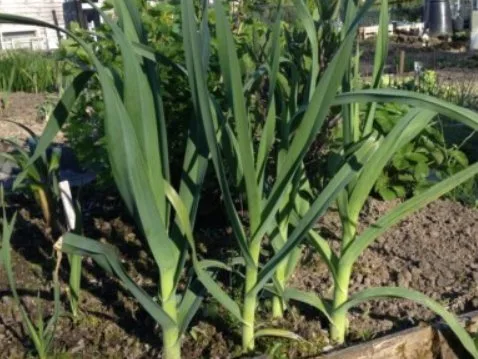
Allium ampeloprasum var. babingtonii
A perennial leek relative that returns year after year and even produces little bulbils at the top of its flower stem.
Explore this plant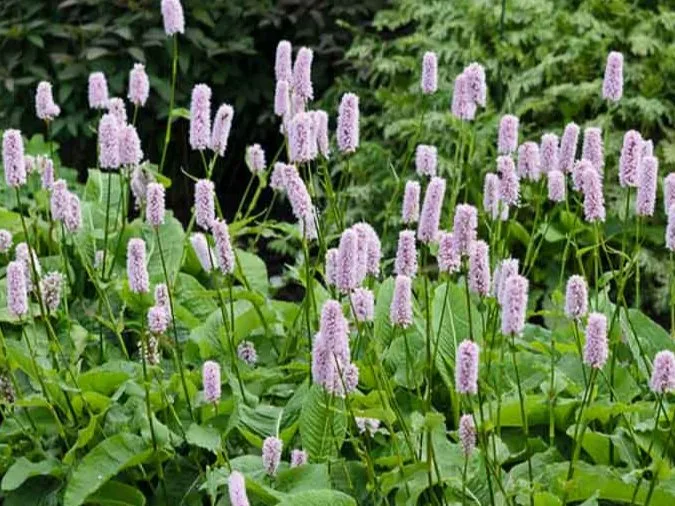
Persicaria bistorta
A hardy perennial once gathered for traditional spring greens and northern seasonal dishes.
Explore this plant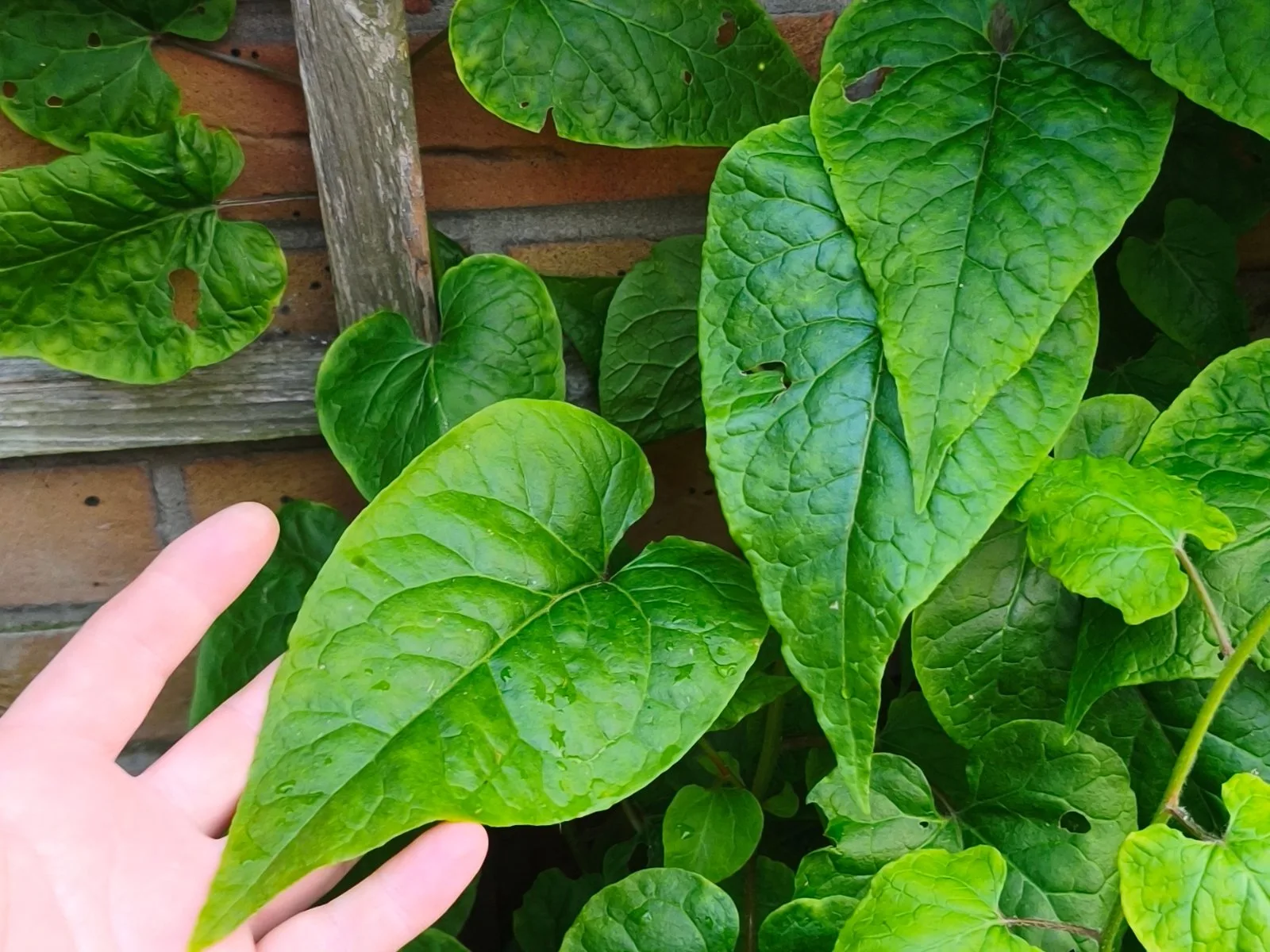
Hablitzia tamnoides
A rare perennial climbing spinach that actually likes shade and can produce edible shoots and leaves for decades.
Explore this plant