Why grow it?
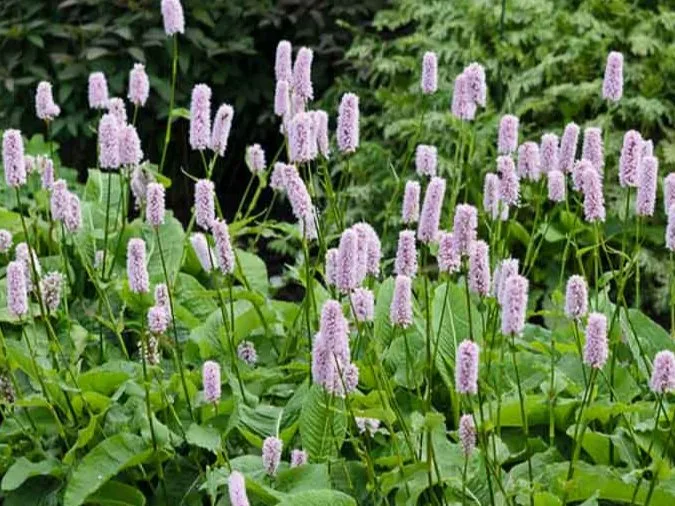
Bistort combines an old northern English food tradition with a handsome perennial ground-covering habit. It suits a moist meadow edge or herb garden where its pink flower spikes can be enjoyed as well as its spring leaves.
Perennial Vegetables
Persicaria bistorta
A hardy perennial once gathered for traditional spring greens and northern seasonal dishes.
Each plant is grown in small batches and cared for individually before dispatch. Because these are living plants, their appearance naturally changes with the season — they may be compact and freshly potted at some times of year, or taller and more established at others. Plants are supplied healthy, well rooted and ready to continue growing on.
Why it belongs in a forgotten garden
Bistort combines an old northern English food tradition with a handsome perennial ground-covering habit. It suits a moist meadow edge or herb garden where its pink flower spikes can be enjoyed as well as its spring leaves.
Once a familiar sight in meadows and kitchen gardens, Bistort was valued for its reliability and quiet usefulness. Grown and gathered for centuries, it became closely associated with springtime dishes and rural traditions, particularly before cultivated greens were widely available. With its elegant flower spikes and dependable nature, Bistort bridges the space between wild plant and deliberate crop.
Explore its place in Tudor garden history.
Growing guide
Moist, humus-rich soil. It dislikes prolonged drought and is happiest where the root run stays cool.
Light: Full sun to partial shade
Keep evenly moist, particularly during establishment and dry springs.
Divide established clumps in spring or autumn. Seed is also possible but division is quicker for maintaining a known plant.
Cut old foliage after flowering if it becomes untidy. Clumps can spread, so divide or edge them where space is limited.
From garden to kitchen
Young leaves are taken in spring before flowering, when they are at their most tender.
Harvest young spring leaves before they toughen. Established clumps can be cut carefully without removing all the foliage.
Young leaves are the principal traditional edible part.
Young leaves were traditionally used cooked rather than raw, with a mild, slightly astringent flavour. Best known as the main ingredient in dishes such as Easter-led pudding, Bistort provides a nourishing spring green when harvested early.
Used as a seasonal leafy green rather than a staple. The value here is as a distinctive spring ingredient with a documented regional food tradition.
Worth knowing: Bistort is best appreciated as a traditional spring green rather than a nutritional powerhouse. Its distinctive character and long association with regional dishes such as dock pudding are a large part of its food value.
Traditional medicinal uses, where mentioned in the historical material, are included as history rather than medical advice.
Kitchen history
Bistort is strongly associated with Easter ledge or dock pudding in parts of northern England. Recipes vary by family and district.
Inspired by West Yorkshire dock pudding, whose characteristic greens are Bistort, nettles, onion and oatmeal; family recipes vary.
How tough is it?
Hardy and unfussy, Bistort thrives in damp soils and cooler conditions where many plants struggle. Once established, it requires little care, returning each year with steady growth and offering both beauty and usefulness with minimal effort.
Usually easy in suitably moist soil. Slugs and snails may nibble spring leaves. Avoid confusing garden bistort with unrelated plants when foraging wild greens.
The flower spikes are useful to bees and other insects.
Suitable for large containers (minimum 30 cm diameter), though it performs best in open ground
Container plants generally need more frequent watering and feeding than the same plant in open ground.
Ready to grow it?
Each plant is grown in small batches and cared for individually before dispatch. Because these are living plants, their appearance naturally changes with the season — they may be compact and freshly potted at some times of year, or taller and more established at others. Plants are supplied healthy, well rooted and ready to continue growing on.
If this caught your eye…
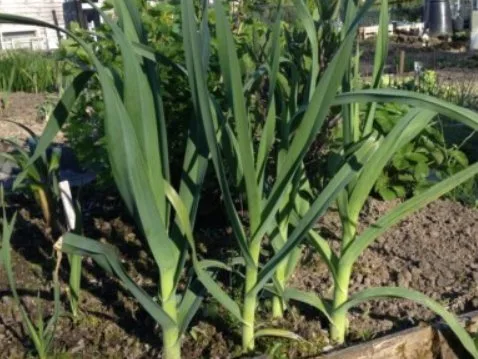
Allium ampeloprasum var. babingtonii
A perennial leek relative that returns year after year and even produces little bulbils at the top of its flower stem.
Explore this plant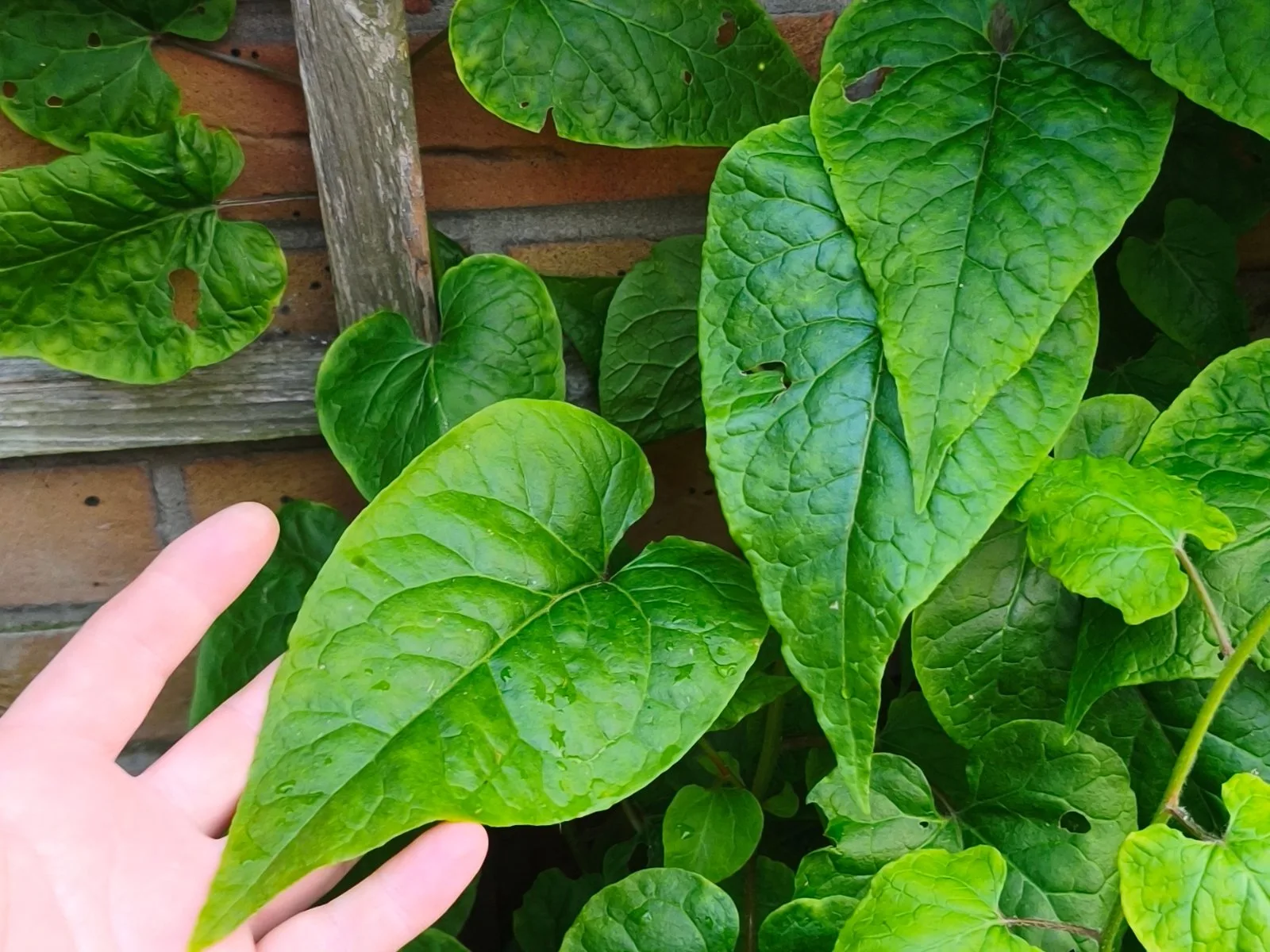
Hablitzia tamnoides
A rare perennial climbing spinach that actually likes shade and can produce edible shoots and leaves for decades.
Explore this plant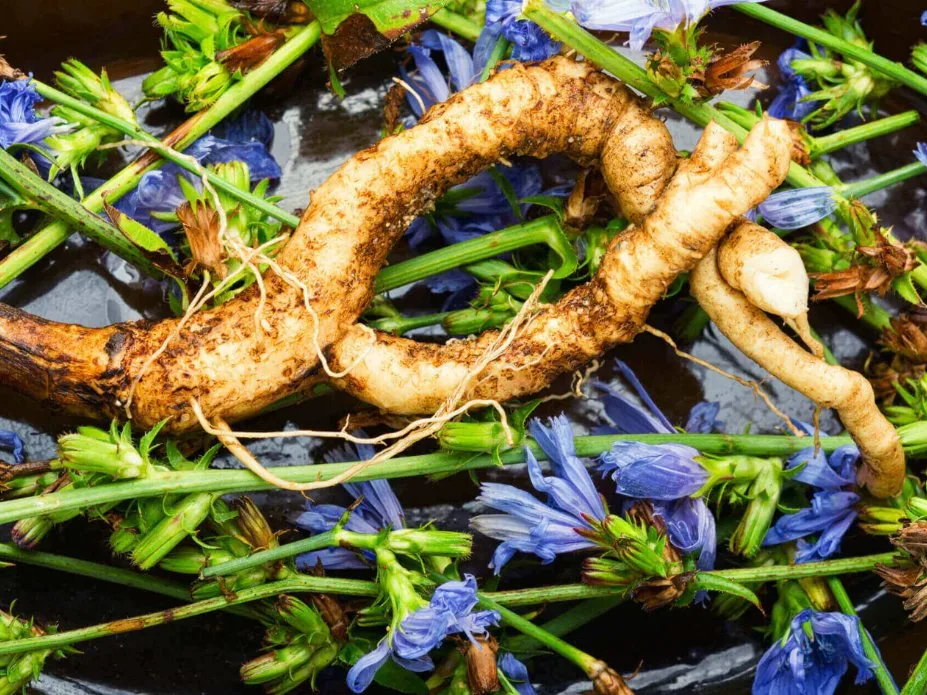
Cichorium intybus
A deep-rooted perennial with bitter leaves, vivid blue flowers and roots historically roasted as a coffee substitute.
Explore this plant