Why grow it?
Lovage is the herb for anyone who thinks celery never tastes celery-like enough. One mature perennial can become enormous and produce leaves, stems and seeds year after year.
Herbs
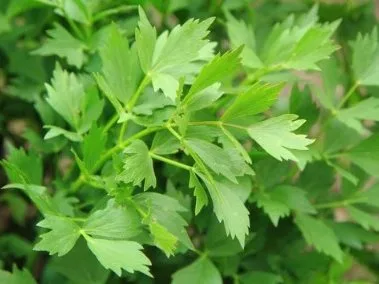
Levisticum officinale
One established plant can become a towering perennial supply of bold celery-like leaves, stems and seeds.
Each plant is grown in small batches and cared for individually before dispatch. Because these are living plants, their appearance naturally changes with the season — they may be compact and freshly potted at some times of year, or taller and more established at others. Plants are supplied healthy, well rooted and ready to continue growing on.
Why it belongs in a forgotten garden
Lovage is the herb for anyone who thinks celery never tastes celery-like enough. One mature perennial can become enormous and produce leaves, stems and seeds year after year.
A bold, aromatic herb with a powerful celery-like flavour, Lovage (Levisticum officinale) was once a staple in apothecaries and kitchens alike. Known for its commanding presence, just one plant can flavour an entire garden’s worth of meals. It's a confident, singular addition that offers a significant return, cementing its place as a favourite of gardeners and cooks.
Explore its place in Medieval garden history.
Growing guide
Deep, fertile soil with good moisture retention. Give it space and feed the soil rather than trying to squeeze it into a tiny herb pot.
Light: Full sun to partial shade
Water well while establishing and during prolonged drought; large leaves transpire heavily in hot weather.
Grow from seed or divide mature crowns. Our own sowings have germinated well without cold stratification; if seed remains stubborn, a cold treatment can be used as a fallback rather than the default.
Cut flower stems if you want to prioritise leaves, or let some mature for seed. Divide large crowns if they become congested.
From garden to kitchen
Leaves from spring into autumn; hollow stems when young; seeds once flower heads dry.
Pick young leaves from spring onwards and cut stems as required. Allow some flower heads to mature if you want the aromatic seeds.
Leaves, young stems and seeds.
With a bold, celery-like flavour, every part of the Lovage plant is edible. The leaves add a deep, rich note to soups and stews, while the stems can be candied or simmered in broths. The seeds are also a fantastic, bold spice.
Because the flavour is powerful, Lovage is usually eaten in modest quantities. Its main kitchen value is replacing or reinforcing celery-like flavour.
Worth knowing: Lovage is used much like a powerful celery-flavoured herb, so a little goes a long way. The leaves still contribute useful vitamins and minerals alongside their intense aromatic character.
Traditional medicinal uses, where mentioned in the historical material, are included as history rather than medical advice.
Kitchen idea
A small amount of Lovage makes a simple potato soup taste much more complex.
How tough is it?
A truly robust and dependable perennial, Lovage is highly resistant to common pests and is built for the long haul. It grows with very little fuss and returns reliably each spring, providing a continuous harvest for years to come.
Usually vigorous and trouble-free. Aphids may appear on soft growth; slugs can damage young shoots.
Large umbels are excellent for hoverflies and other beneficial insects when allowed to flower.
Needs a large container (minimum 45 cm deep and wide); thrives best in open ground
Container plants generally need more frequent watering and feeding than the same plant in open ground.
Ready to grow it?
Each plant is grown in small batches and cared for individually before dispatch. Because these are living plants, their appearance naturally changes with the season — they may be compact and freshly potted at some times of year, or taller and more established at others. Plants are supplied healthy, well rooted and ready to continue growing on.
If this caught your eye…
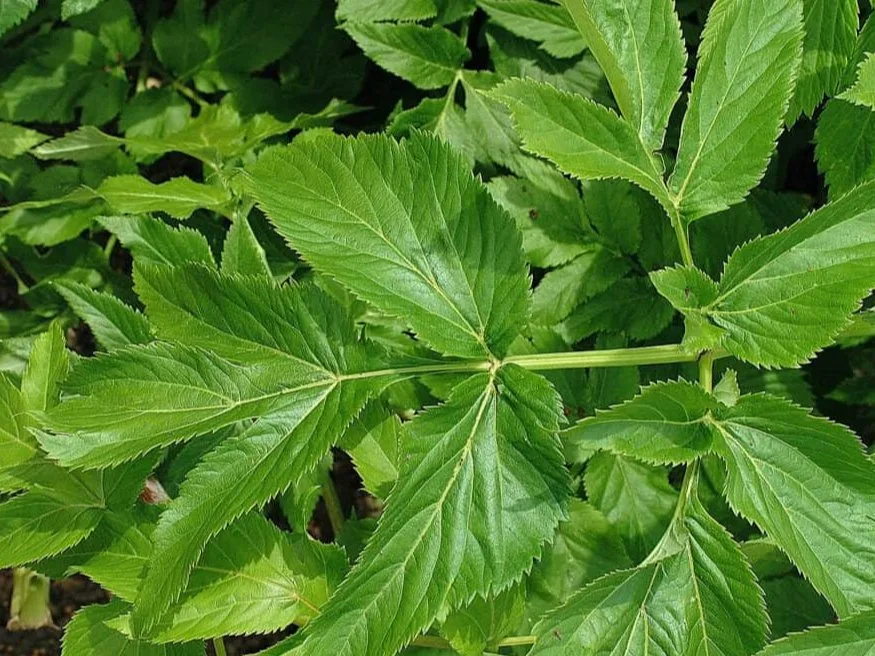
Angelica archangelica
A towering aromatic biennial once prized for candied stems, preserves and liqueurs.
Explore this plant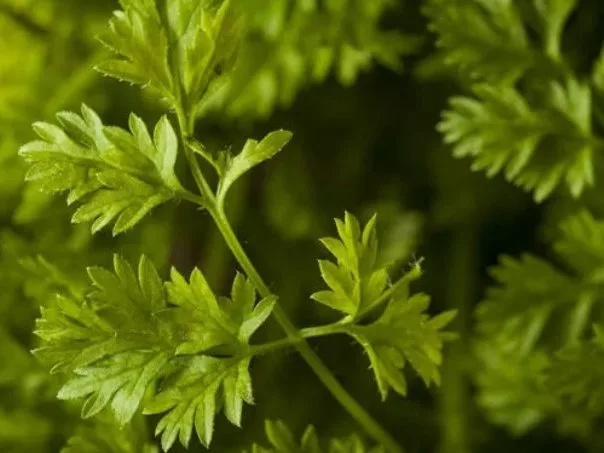
Anthriscus cerefolium
A delicate old kitchen-garden herb with a soft parsley-and-anise flavour.
Explore this plant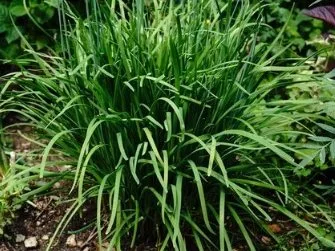
Allium tuberosum
A perennial chive with flat leaves and a gentle garlic flavour — cut it repeatedly, eat the flowers and divide the clump when you want more.
Explore this plant