Why grow it?
A cheerful perennial herb that asks very little and gives a lot: lemon-scented leaves for drinks and desserts, pollinator-friendly flowers and enough vigour to survive imperfect attention.
Herbs
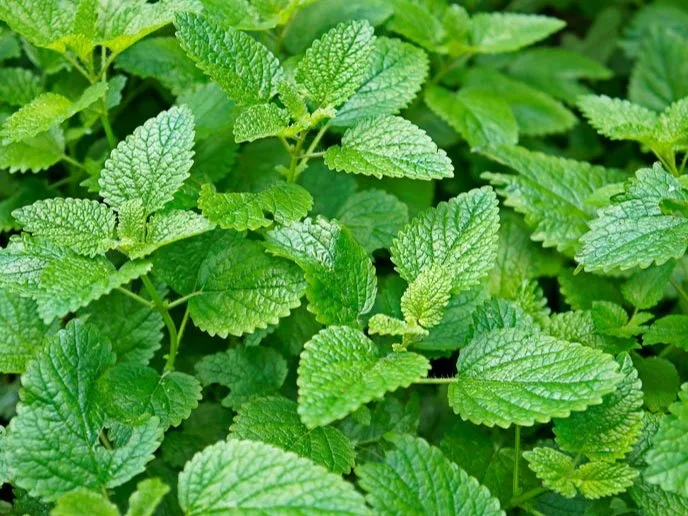
Melissa officinalis
A vigorous lemon-scented perennial herb that brings fragrance, tea leaves and pollinators to the garden.
Each plant is grown in small batches and cared for individually before dispatch. Because these are living plants, their appearance naturally changes with the season — they may be compact and freshly potted at some times of year, or taller and more established at others. Plants are supplied healthy, well rooted and ready to continue growing on.
Why it belongs in a forgotten garden
A cheerful perennial herb that asks very little and gives a lot: lemon-scented leaves for drinks and desserts, pollinator-friendly flowers and enough vigour to survive imperfect attention.
Long cherished for its gentle fragrance and calming presence, Lemon Balm has been grown in gardens since antiquity. Favoured by monks and household gardeners alike, it was valued as much for its soothing qualities as for its easy nature. Hardy, generous, and quietly uplifting, Lemon Balm brings both usefulness and grace to the garden.
Explore its place in Medieval garden history.
Growing guide
Ordinary fertile, well-drained soil in sun or light shade. Too much shade gives softer, less aromatic growth.
Light: Full sun to partial shade
Water while establishing; mature plants are fairly tolerant but leaf quality is best when they are not repeatedly dried out.
Easy from seed, division or soft cuttings. Division is the quickest way to bulk up a known plant.
Cut back after flowering to encourage fresh leaves and reduce self-seeding. Divide old clumps when they become woody or congested.
From garden to kitchen
Pick young leaves from spring to autumn, ideally before flowering for the freshest lemon scent.
Cut leafy stems before flowering for the brightest lemon scent. Plants respond well to being cut back and will usually produce fresh growth.
Leaves and flowers.
Fresh leaves have a soft lemon scent and flavour, making them ideal for teas, syrups, desserts, and salads. Lemon Balm is best used fresh, as drying reduces its aromatic qualities.
Used in herb-sized quantities, so its contribution is mainly flavour and aroma rather than substantial nutrition.
Worth knowing: Lemon Balm is normally used in modest amounts for its fresh lemon fragrance, teas and flavouring rather than as a bulk vegetable, so its culinary value is primarily aromatic.
Traditional medicinal uses, where mentioned in the historical material, are included as history rather than medical advice.
Kitchen idea
A cold, bright use for a plant that can produce leaves by the handful.
How tough is it?
Exceptionally easy to grow and forgiving of neglect, Lemon Balm thrives in a wide range of conditions and quickly establishes itself. Its vigorous nature and reliability make it a dependable perennial, well suited to both garden beds and containers.
Generally easy. It can spread readily by seed and division; mildew may appear on stressed foliage late in the season.
Flowers are highly attractive to bees — the genus name Melissa is itself associated with bees.
Well suited to containers (minimum 25–30 cm diameter) to control spread
Container plants generally need more frequent watering and feeding than the same plant in open ground.
Ready to grow it?
Each plant is grown in small batches and cared for individually before dispatch. Because these are living plants, their appearance naturally changes with the season — they may be compact and freshly potted at some times of year, or taller and more established at others. Plants are supplied healthy, well rooted and ready to continue growing on.
If this caught your eye…
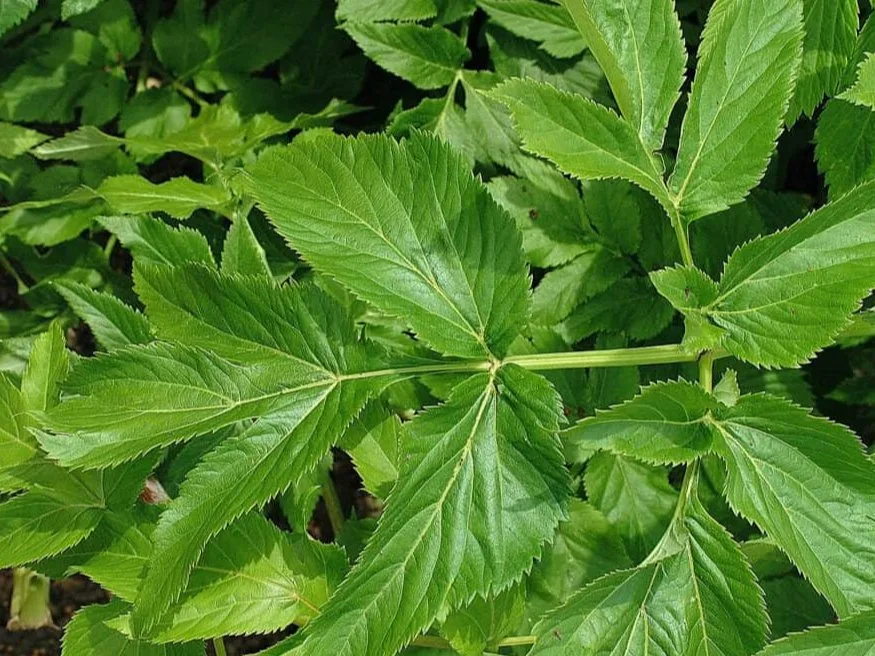
Angelica archangelica
A towering aromatic biennial once prized for candied stems, preserves and liqueurs.
Explore this plant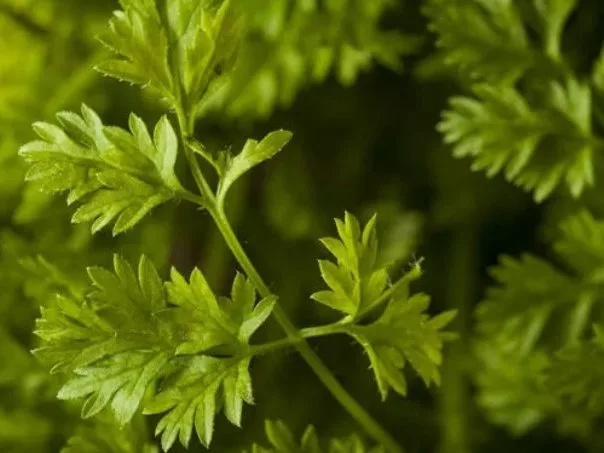
Anthriscus cerefolium
A delicate old kitchen-garden herb with a soft parsley-and-anise flavour.
Explore this plant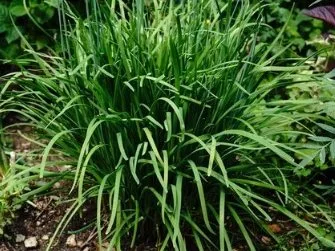
Allium tuberosum
A perennial chive with flat leaves and a gentle garlic flavour — cut it repeatedly, eat the flowers and divide the clump when you want more.
Explore this plant