
Why grow it?
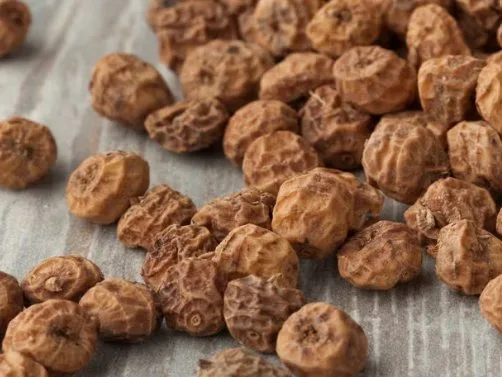
Not a nut at all, but a sedge that forms sweet, chewy underground tubers. Chufa is a warm-season crop with ancient roots and a famous modern use in Valencian horchata.
Roots & Tubers
Cyperus esculentus
Not a nut at all, but an ancient sweet tuber crop once grown in Egypt and still made into horchata today.
Each plant is grown in small batches and cared for individually before dispatch. Because these are living plants, their appearance naturally changes with the season — they may be compact and freshly potted at some times of year, or taller and more established at others. Plants are supplied healthy, well rooted and ready to continue growing on.
Why it belongs in a forgotten garden
Not a nut at all, but a sedge that forms sweet, chewy underground tubers. Chufa is a warm-season crop with ancient roots and a famous modern use in Valencian horchata.
One of the world’s oldest cultivated crops, Tigernuts (Cyperus esculentus) were a staple in ancient Egypt and are now enjoying a modern revival. These sweet, nutty tubers grow just beneath the soil and are a fibre-rich, dairy-free superfood that is a surprisingly addictive snack.
Explore its place in Ancient garden history.
Growing guide
Loose, sandy or loamy soil in a warm sunny position. Containers make harvesting the small tubers much easier.
Light: Full sun
Keep evenly moist through active summer growth; do not let container crops dry repeatedly.
Plant tubers after frost risk has passed, ideally after soaking them to rehydrate before planting.
Keep warm, weed-free and watered. Allow foliage to yellow and die back before harvesting.
From garden to kitchen
Lift after the foliage has died down in autumn. Wash tubers thoroughly and cure/dry them before storage.
Allow the foliage to mature through summer, then lift the small underground tubers in autumn once growth dies back. Wash very thoroughly before use or storage.
Underground tubers.
The sweet and nutty tubers can be eaten raw, roasted, or soaked to soften. They make a fantastic, wholesome snack and are also used to make tigernut milk—a creamy, naturally sweet dairy alternative.
Tiger Nuts contain fibre, carbohydrate and a relatively high proportion of oil for a tuber, much of it oleic acid. They are dense food and very different nutritionally from leafy vegetables.
Very unusual for a tuber: Tiger Nuts contain a substantial amount of oil, dominated by oleic acid, and also provide tocopherols (vitamin E).
Worth knowing: Despite the name, Tiger Nuts are small tubers rather than nuts. They are unusually energy-dense for a tuber, combining fibre and carbohydrate with monounsaturated fats, resistant starch, magnesium, potassium and vitamin E.
Traditional medicinal uses, where mentioned in the historical material, are included as history rather than medical advice.
Kitchen idea
The classic use: a chilled drink made by soaking and grinding Tiger Nuts.
How tough is it?
A hardy grower, Tigernuts are highly resistant to common pests and thrive in a variety of conditions. They prefer loose, sandy soil and can tolerate a range of temperatures, making them a low-maintenance, dependable crop.
The main challenge in Britain is sufficient warmth and season length. Rodents may find the tubers; cold wet soil can cause rot.
The sedge-like foliage is not grown primarily for wildlife, but adds structural diversity to containers and warm beds.
Medium to large containers (minimum 30 cm deep); best results in loose, sandy soil
Container plants generally need more frequent watering and feeding than the same plant in open ground.
Ready to grow it?
Each plant is grown in small batches and cared for individually before dispatch. Because these are living plants, their appearance naturally changes with the season — they may be compact and freshly potted at some times of year, or taller and more established at others. Plants are supplied healthy, well rooted and ready to continue growing on.
If this caught your eye…
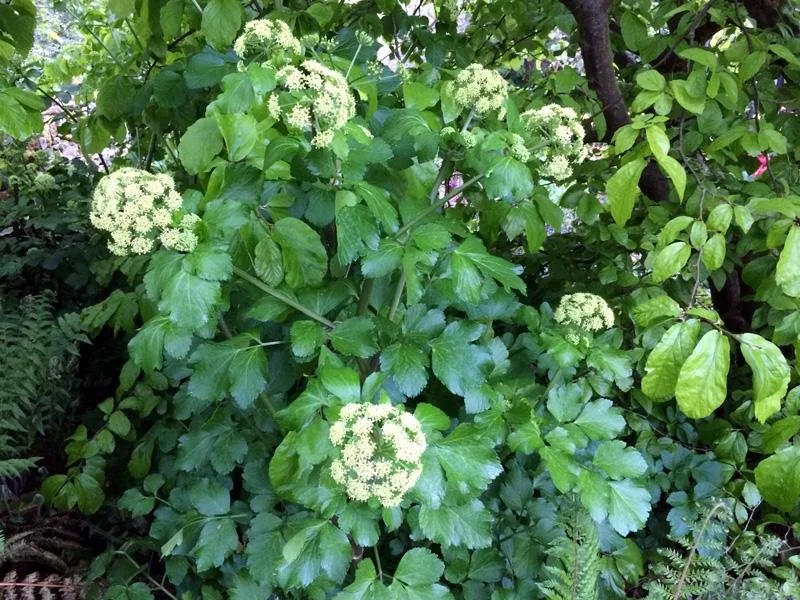
Smyrnium olusatrum
A Roman-era vegetable with edible shoots, leaves and flower buds — once common enough to be ordinary, now unusual enough to stop people scrolling.
Explore this plant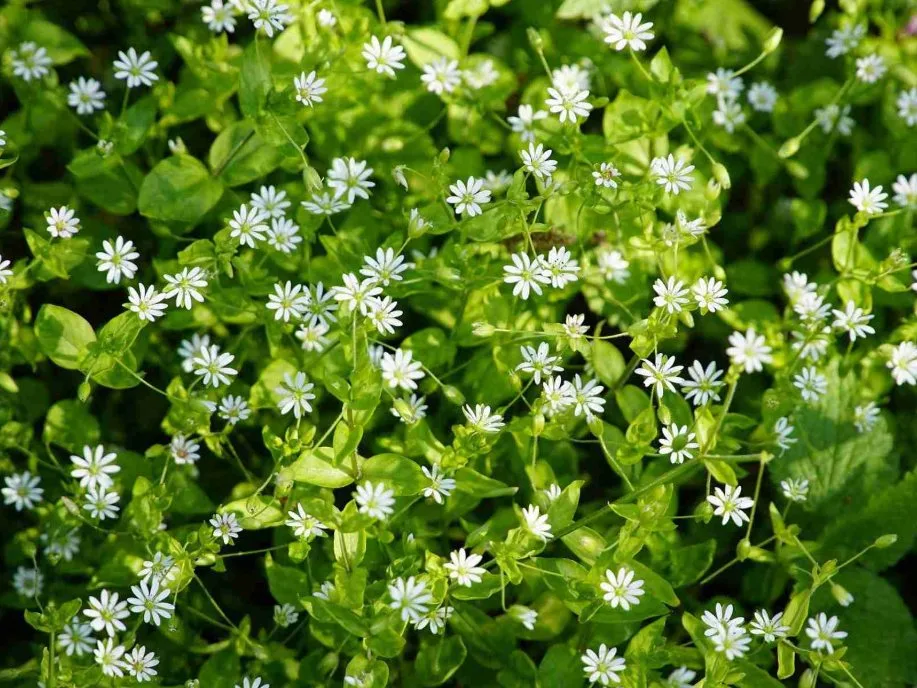
Stellaria media
A humble cool-season green that many people weed out before discovering it is edible.
Explore this plant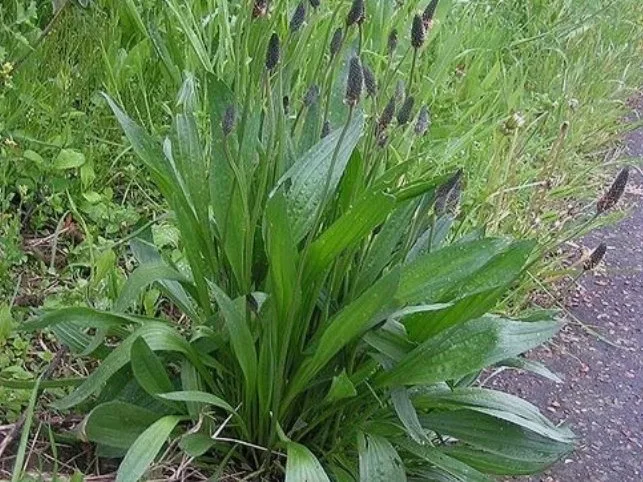
Plantago lanceolata
A tough little perennial that survives poor soil, dry weather and foot traffic — with edible young leaves and seeds.
Explore this plant