Why grow it?
Ribwort plantain is ordinary enough to disappear into lawns and verges, which is exactly why it belongs here: a once-familiar useful leaf hiding in plain sight.
Wild & Historic Edibles
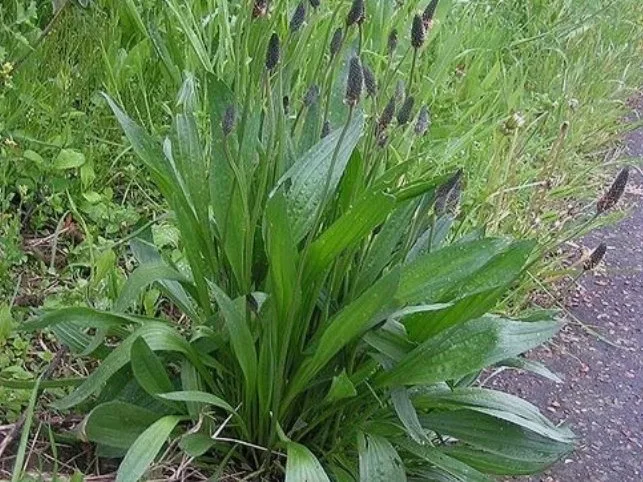
Plantago lanceolata
A tough little perennial that survives poor soil, dry weather and foot traffic — with edible young leaves and seeds.
Each plant is grown in small batches and cared for individually before dispatch. Because these are living plants, their appearance naturally changes with the season — they may be compact and freshly potted at some times of year, or taller and more established at others. Plants are supplied healthy, well rooted and ready to continue growing on.
Why it belongs in a forgotten garden
Ribwort plantain is ordinary enough to disappear into lawns and verges, which is exactly why it belongs here: a once-familiar useful leaf hiding in plain sight.
A familiar presence underfoot for centuries, English Plantain is one of the most dependable and quietly useful plants in the ancient garden. Known long before formal cultivation, it was valued for its resilience and versatility, thriving wherever people lived and worked. Often gathered rather than sown, this unassuming perennial has supported daily life through food, medicine, and quiet reliability.
Explore its place in Ancient garden history.
Growing guide
Very adaptable, from ordinary lawn soil to leaner ground, provided drainage is reasonable.
Light: Full sun to partial shade
Established plants tolerate dry conditions well thanks to their strong root system.
Easy from seed; sow shallowly in spring or autumn. Mature plants can also self-seed.
Cut flower stalks if you want to reduce self-seeding. Regular leaf harvest encourages fresh growth.
From garden to kitchen
Pick the youngest central leaves from spring onwards; older leaves become fibrous and strongly ribbed.
Choose the youngest central leaves for eating. Older leaves are noticeably tougher; dry mature seed heads if you want to collect the seeds.
Young leaves and seeds; older leaves are better cooked than raw.
Young leaves can be eaten raw or lightly cooked, with a mild, slightly earthy flavour. Older leaves are best finely chopped or cooked to soften their texture. Seeds can be harvested and used as a traditional thickener or ground into flour.
A minor leafy green rather than a staple. Its value is diversity and the ability to crop from difficult, dry ground.
Worth knowing: Young leaves are the best stage for eating, when they are softer and more useful as a gathered-style green. They contribute vitamins A, C and K together with calcium and iron.
Traditional medicinal uses, where mentioned in the historical material, are included as history rather than medical advice.
Kitchen idea
The trick is to use very young leaves before the ribs become stringy.
How tough is it?
Exceptionally tough and adaptable, English Plantain thrives in poor soils, withstands trampling, and tolerates drought with ease. Its ability to flourish where little else will grow makes it a symbol of quiet endurance — a plant that asks almost nothing and gives steadily in return.
Exceptionally tough. There are few serious garden problems; older leaves simply become too fibrous for pleasant eating.
Flower spikes provide food for insects and seeds are taken by some birds.
Suitable for containers (minimum 20 cm diameter); also thrives in poor soils and compacted ground
Container plants generally need more frequent watering and feeding than the same plant in open ground.
Ready to grow it?
Each plant is grown in small batches and cared for individually before dispatch. Because these are living plants, their appearance naturally changes with the season — they may be compact and freshly potted at some times of year, or taller and more established at others. Plants are supplied healthy, well rooted and ready to continue growing on.
If this caught your eye…
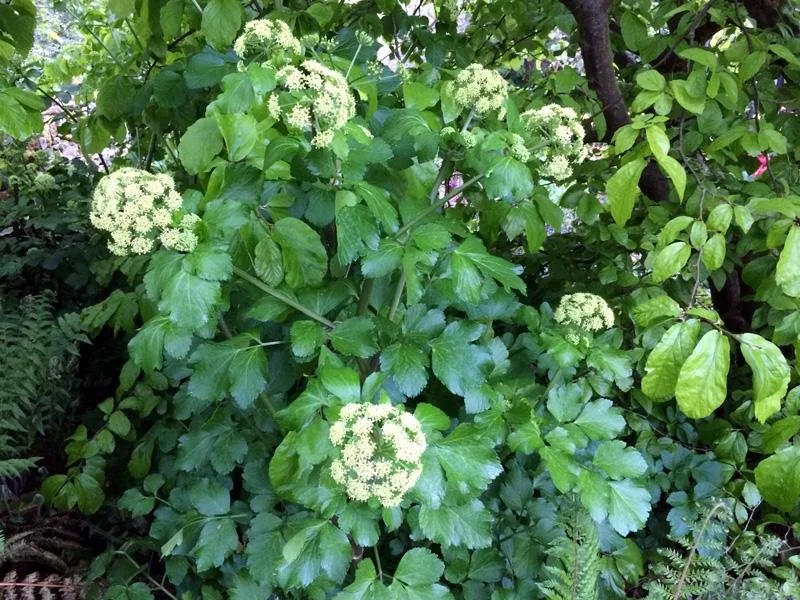
Smyrnium olusatrum
A Roman-era vegetable with edible shoots, leaves and flower buds — once common enough to be ordinary, now unusual enough to stop people scrolling.
Explore this plant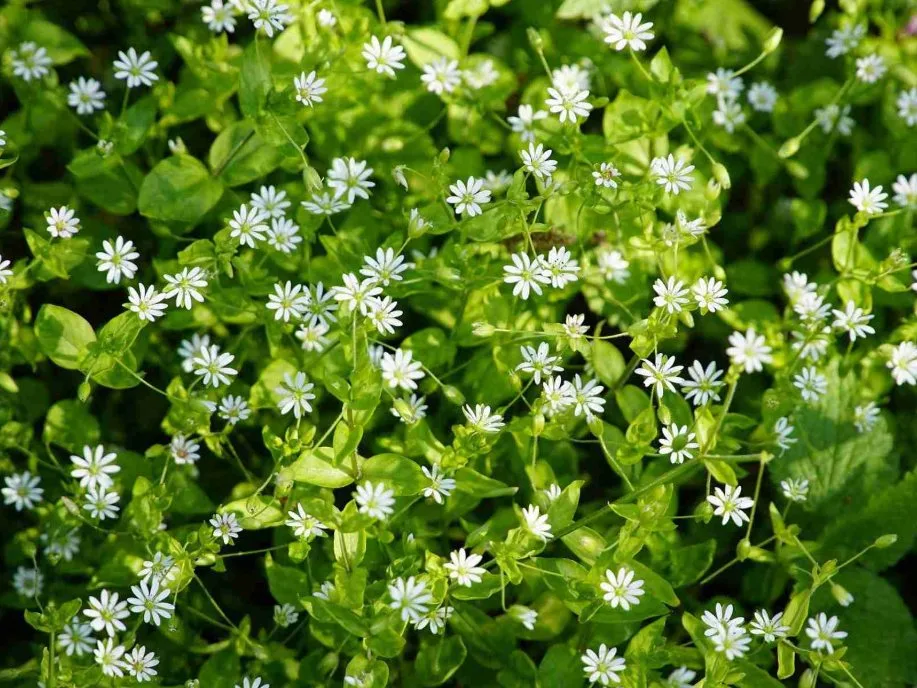
Stellaria media
A humble cool-season green that many people weed out before discovering it is edible.
Explore this plant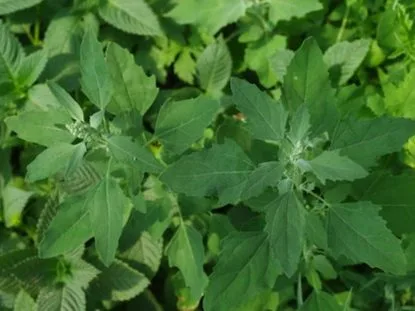
Chenopodium album
An ancient wild spinach that has fed people for millennia and still grows with almost insulting ease.
Explore this plant