Why grow it?
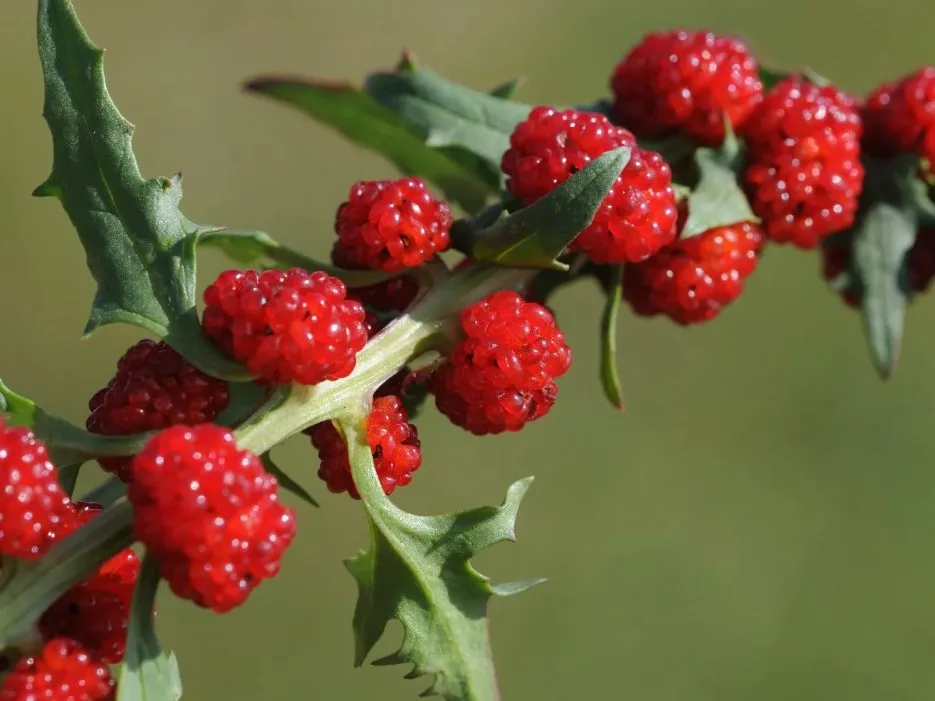
A conversation-piece annual: edible spinach-like leaves followed by bright red, strawberry-shaped fruit clusters along the stems.
Heritage Crops
Blitum virgatum
A genuine curiosity: edible spinach-like leaves followed by vivid red berry-like seed clusters.
Each plant is grown in small batches and cared for individually before dispatch. Because these are living plants, their appearance naturally changes with the season — they may be compact and freshly potted at some times of year, or taller and more established at others. Plants are supplied healthy, well rooted and ready to continue growing on.
Why it belongs in a forgotten garden
A conversation-piece annual: edible spinach-like leaves followed by bright red, strawberry-shaped fruit clusters along the stems.
Strawberry Spinach is a curious and quietly charming plant, grown as much for interest as for use. Known in European gardens by the early modern period, it combines edible leaves with striking, berry-like seed clusters that blur the line between vegetable and ornament. Hardy and self-sufficient, it rewards curiosity rather than perfection.
Explore its place in Tudor garden history.
Growing guide
Fertile, well-drained soil in sun or light shade.
Light: Full sun to partial shade
Water for steady growth; established plants tolerate ordinary dry spells but leaf production slows in drought.
Sow seed in spring. Seedlings are small at first and may self-seed where plants are allowed to mature.
Harvest leaves lightly while plants establish. Allow flowering stems to develop if you want the decorative red fruits.
From garden to kitchen
Young leaves from late spring; red fruit clusters develop later in summer.
Pick young leaves before the plant becomes coarse. The red berry-like clusters can be sampled when fully coloured; save mature seed if you want another crop.
Young leaves and ripe red fruit clusters.
Young leaves can be used much like spinach, either raw or lightly cooked, with a mild, earthy flavour. The bright red seed clusters are edible but subtly flavoured, best enjoyed fresh or used as a decorative addition to salads and summer dishes rather than a true fruit.
Leaves are used like other chenopod greens and contain oxalates. The red fruits are edible but are generally milder and less sweet than their strawberry-like appearance suggests.
Worth knowing: The leaves are the main food crop, providing vitamins A and C, iron and fibre. The bright red seed clusters are edible too, but are much milder and less sweet than their strawberry-like appearance suggests.
Traditional medicinal uses, where mentioned in the historical material, are included as history rather than medical advice.
Kitchen idea
The fruit is more decorative than sugary, so combine it with stronger flavours.
How tough is it?
Easy-going and adaptable, Strawberry Spinach tolerates cool conditions and modest soils with ease. Once allowed to seed, it often returns year after year with little encouragement, making it a dependable and quietly productive garden companion.
Usually easy. Slugs may damage young plants; self-seeding can become enthusiastic in loose soil.
Seeds and mature plants add diversity, though the flowers themselves are not showy.
Suitable for containers (minimum 25–30 cm diameter); also thrives in beds and borders
Container plants generally need more frequent watering and feeding than the same plant in open ground.
Ready to grow it?
Each plant is grown in small batches and cared for individually before dispatch. Because these are living plants, their appearance naturally changes with the season — they may be compact and freshly potted at some times of year, or taller and more established at others. Plants are supplied healthy, well rooted and ready to continue growing on.
If this caught your eye…
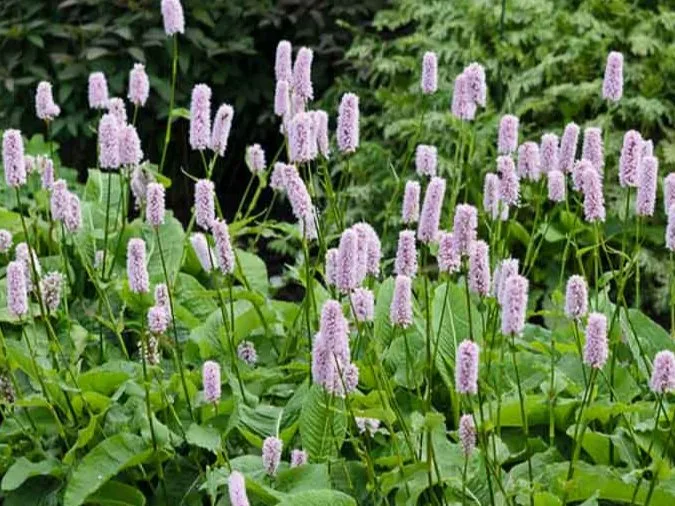
Persicaria bistorta
A hardy perennial once gathered for traditional spring greens and northern seasonal dishes.
Explore this plant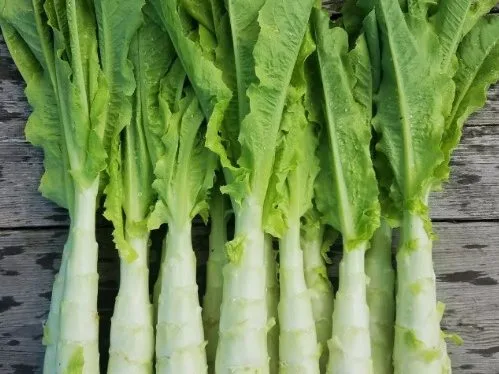
Lactuca sativa var. angustata
A lettuce grown for a thick, crisp edible stem as well as its leaves — crunchy, mild and completely unlike the supermarket lettuce most people know.
Explore this plant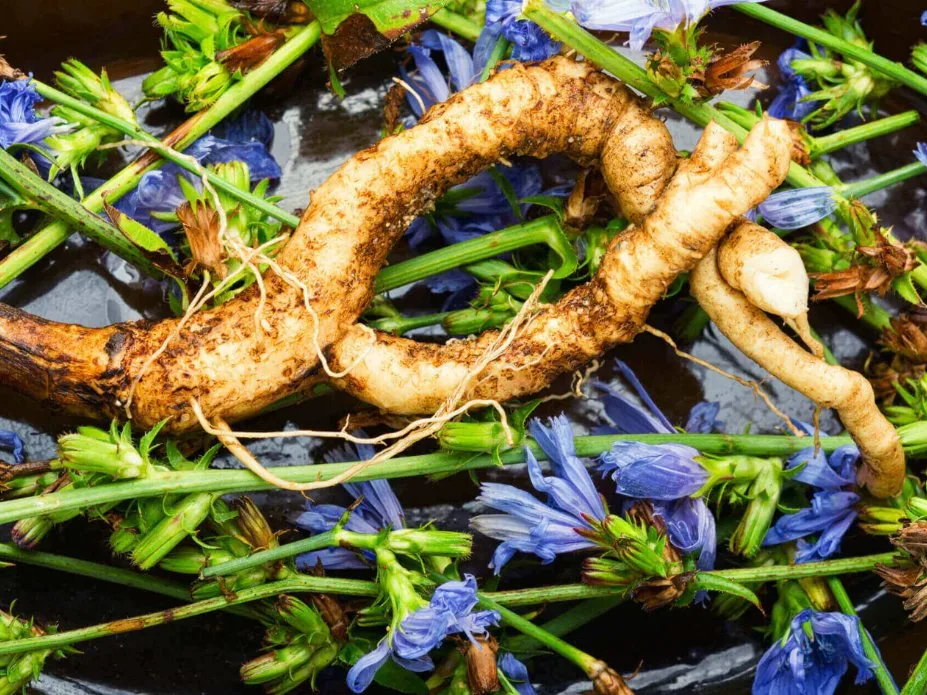
Cichorium intybus
A deep-rooted perennial with bitter leaves, vivid blue flowers and roots historically roasted as a coffee substitute.
Explore this plant