Why grow it?
A British coastal perennial that once became a fashionable forced vegetable. Sea Kale combines history, attractive glaucous foliage and one of the most interesting spring harvest techniques in the collection.
Perennial Vegetables
Crambe maritima
A native coastal perennial once forced under pots for tender spring shoots and served as a fashionable delicacy.
Each plant is grown in small batches and cared for individually before dispatch. Because these are living plants, their appearance naturally changes with the season — they may be compact and freshly potted at some times of year, or taller and more established at others. Plants are supplied healthy, well rooted and ready to continue growing on.
Why it belongs in a forgotten garden
A British coastal perennial that once became a fashionable forced vegetable. Sea Kale combines history, attractive glaucous foliage and one of the most interesting spring harvest techniques in the collection.
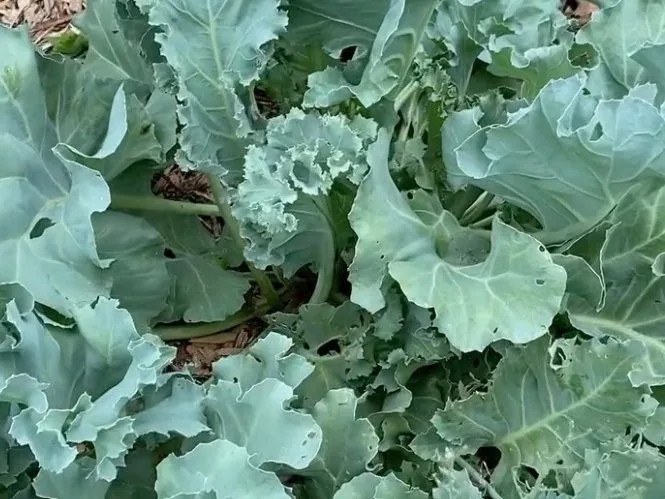
Native to UK coastlines, Sea Kale (Crambe maritima) was once a prized delicacy on dinner tables, loved for its elegant, buttery flavour. This striking perennial makes a bold statement in any edible garden with its beautiful mounds of blue-green foliage. It’s a hardy, beautiful plant that brings a taste of the sea to your home.
Explore its place in Georgian garden history.
Growing guide
Deep, fertile, very free-draining soil. It naturally comes from coastal shingle and dislikes stagnant winter wet.
Light: Full sun
Water during establishment and severe drought, but do not keep the crown constantly wet.
Grow from seed, divide established crowns, or use root cuttings (“thongs”). Seed can benefit from a cold period.
Remove flower stems if you want to build crown strength. Mature crowns can be covered in late winter with a forcing pot or bucket to blanch emerging shoots.
From garden to kitchen
Forced shoots are harvested in late winter/early spring. Unforced young shoots and flower buds are used in spring; stop before weakening the crown.
Only harvest strongly established plants. Tender spring shoots are traditionally taken after blanching or as they emerge; allow the plant plenty of leaf afterwards to rebuild its crown.
Young shoots, leaf stalks, leaves and immature flower heads.
Every part of this plant is edible. Blanched shoots are tender and have a rich, buttery flavour similar to asparagus. The leaves can be steamed or sautéed like cabbage, and the tender flower buds cooked like broccoli.
A brassica vegetable, broadly comparable with other leafy brassicas for fibre and micronutrients. Its importance is culinary history and perennial habit rather than any unique nutrient claim.
A useful perennial source of vitamin C alongside fibre and minerals such as calcium and potassium, giving its spring shoots more than just historic culinary interest.
Worth knowing: Sea Kale combines the food value of a leafy brassica with the delicacy of its blanched spring shoots, contributing vitamin C, thiamin, fibre and useful minerals including potassium and calcium.
Traditional medicinal uses, where mentioned in the historical material, are included as history rather than medical advice.
Kitchen history
Forced Sea Kale was once a prized winter and early-spring delicacy.
Sea Kale was historically forced and served as a prized spring vegetable; butter and hollandaise-style sauces are classic partners.
How tough is it?
A tough, beautiful survivor, Sea Kale is highly resistant to common pests and holds its own in a variety of conditions. Built to withstand the rigours of the coastline, it’s a low-maintenance, dependable addition to your garden.
Slugs, snails, caterpillars and pigeons can attack young growth. Crown rot is a risk in waterlogged soil.
White flowers are highly attractive to bees and other insects if plants are allowed to bloom.
Requires a large, deep container (minimum 45 cm diameter and depth)
Container plants generally need more frequent watering and feeding than the same plant in open ground.
Ready to grow it?
Each plant is grown in small batches and cared for individually before dispatch. Because these are living plants, their appearance naturally changes with the season — they may be compact and freshly potted at some times of year, or taller and more established at others. Plants are supplied healthy, well rooted and ready to continue growing on.
If this caught your eye…
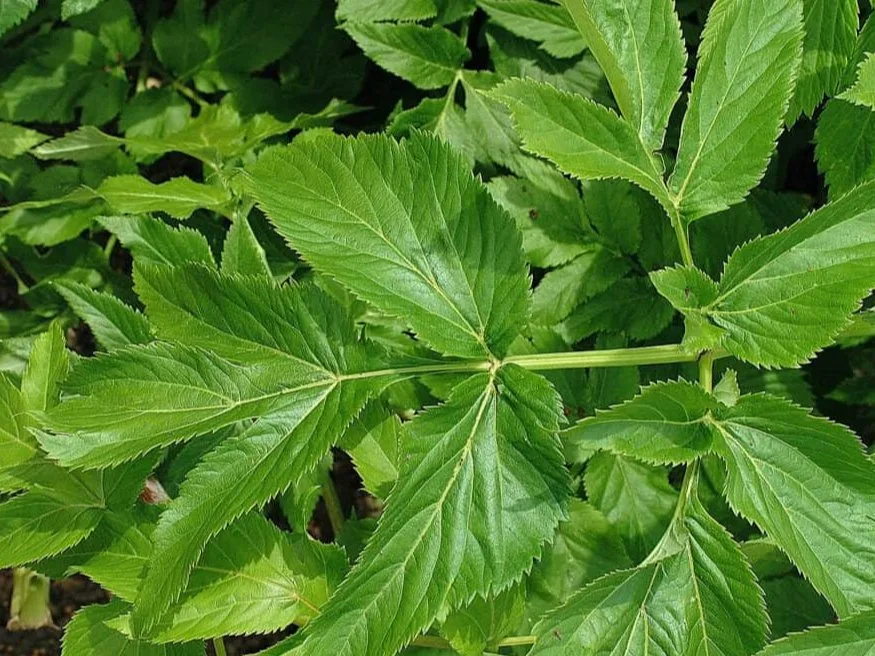
Angelica archangelica
A towering aromatic biennial once prized for candied stems, preserves and liqueurs.
Explore this plant
Allium ampeloprasum var. babingtonii
A perennial leek relative that returns year after year and even produces little bulbils at the top of its flower stem.
Explore this plant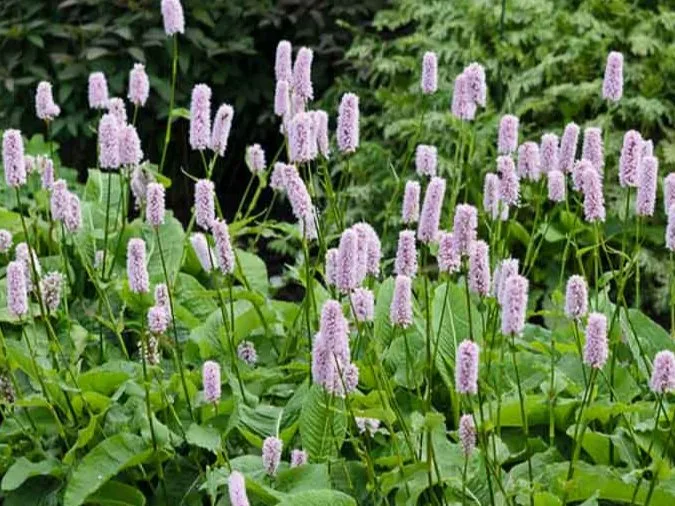
Persicaria bistorta
A hardy perennial once gathered for traditional spring greens and northern seasonal dishes.
Explore this plant