Why grow it?
A native-looking perennial with clouds of creamy flowers and an unmistakable sweet, almond-like perfume. It belongs as much in a damp edible landscape as in an herb bed.
Herbs
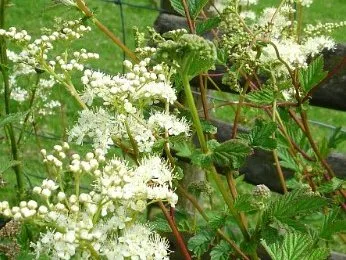
Filipendula ulmaria
Creamy white flowers with a sweet almond-like scent and a long place in old drinks, desserts and herbal gardens.
Each plant is grown in small batches and cared for individually before dispatch. Because these are living plants, their appearance naturally changes with the season — they may be compact and freshly potted at some times of year, or taller and more established at others. Plants are supplied healthy, well rooted and ready to continue growing on.
Why it belongs in a forgotten garden
A native-looking perennial with clouds of creamy flowers and an unmistakable sweet, almond-like perfume. It belongs as much in a damp edible landscape as in an herb bed.
A fragrant herb once sacred to the Druids, Meadowsweet (Filipendula ulmaria) was a staple in medieval mead-making and herbal medicine. Its delicate, creamy white flower clusters add both beauty and a subtle almond-like scent to the garden. With a history steeped in ancient rituals and folklore, this plant offers a touch of mystical charm to any modern collection.
Explore its place in Ancient garden history.
Growing guide
Moist, humus-rich soil. It thrives in ground that would be too damp for many Mediterranean herbs.
Light: Full sun to partial shade
Keep moist, especially in sunny positions. It is not a drought plant.
Grow from seed or divide established clumps in spring or autumn. Division gives faster results.
Cut spent stems after flowering if tidiness matters. Divide spreading clumps when they outgrow their space.
From garden to kitchen
Flowers are collected as they open in summer; young leaves can also be used in small quantities.
Gather freshly opened flower heads on a dry day when their scent is strongest. Leaves can be taken sparingly; leave enough growth to keep the perennial vigorous.
Flowers are the most useful culinary part; leaves have traditional uses but are more strongly flavoured.
The sweet-scented flowers and leaves can be infused into teas, syrups, and cordials, or used to add a delicate almond or vanilla flavour to desserts and preserves. It's a key ingredient for mead-making enthusiasts.
Meadowsweet is a flavouring herb rather than a bulk vegetable. Its flowers are prized for aroma. Traditional medicinal associations should not be treated as modern medical advice.
Worth knowing: Meadowsweet is primarily an aromatic ingredient rather than a bulk food. Its sweet almond-like fragrance is its great culinary strength, so it is normally used sparingly to flavour drinks, desserts and preserves.
Traditional medicinal uses, where mentioned in the historical material, are included as history rather than medical advice.
Kitchen history
The flowers can perfume cream with a flavour somewhere between almond, vanilla and meadow hay.
Meadowsweet has a long history as an aromatic flavouring. Avoid if you know you are sensitive to salicylates/aspirin.
How tough is it?
A consistent and graceful performer, Meadowsweet is highly resistant to common pests and returns reliably each spring, offering a bountiful and beautiful harvest year after year. It thrives with minimal fuss in its preferred moist conditions.
Generally trouble-free in moist soil. Dry conditions can cause poor growth or mildew; occasionally aphids gather on soft tips.
Flower heads are excellent for pollinating insects.
Needs a large container (minimum 30–35 cm deep)
Container plants generally need more frequent watering and feeding than the same plant in open ground.
Ready to grow it?
Each plant is grown in small batches and cared for individually before dispatch. Because these are living plants, their appearance naturally changes with the season — they may be compact and freshly potted at some times of year, or taller and more established at others. Plants are supplied healthy, well rooted and ready to continue growing on.
If this caught your eye…
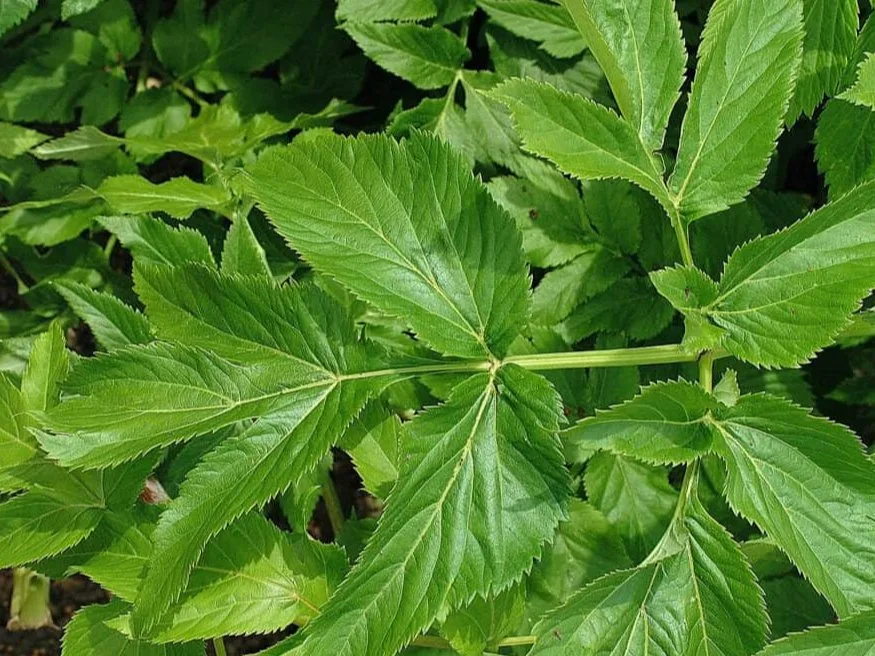
Angelica archangelica
A towering aromatic biennial once prized for candied stems, preserves and liqueurs.
Explore this plant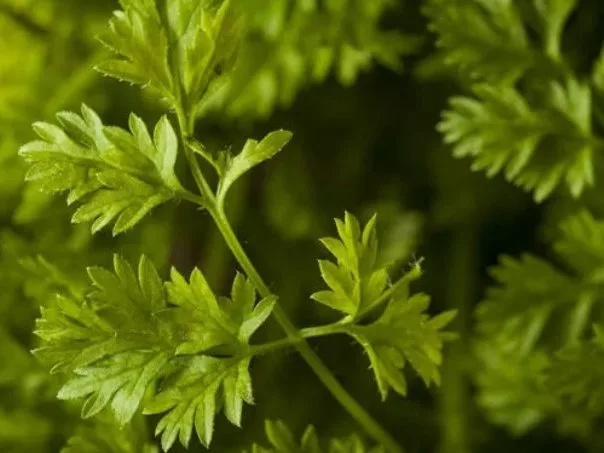
Anthriscus cerefolium
A delicate old kitchen-garden herb with a soft parsley-and-anise flavour.
Explore this plant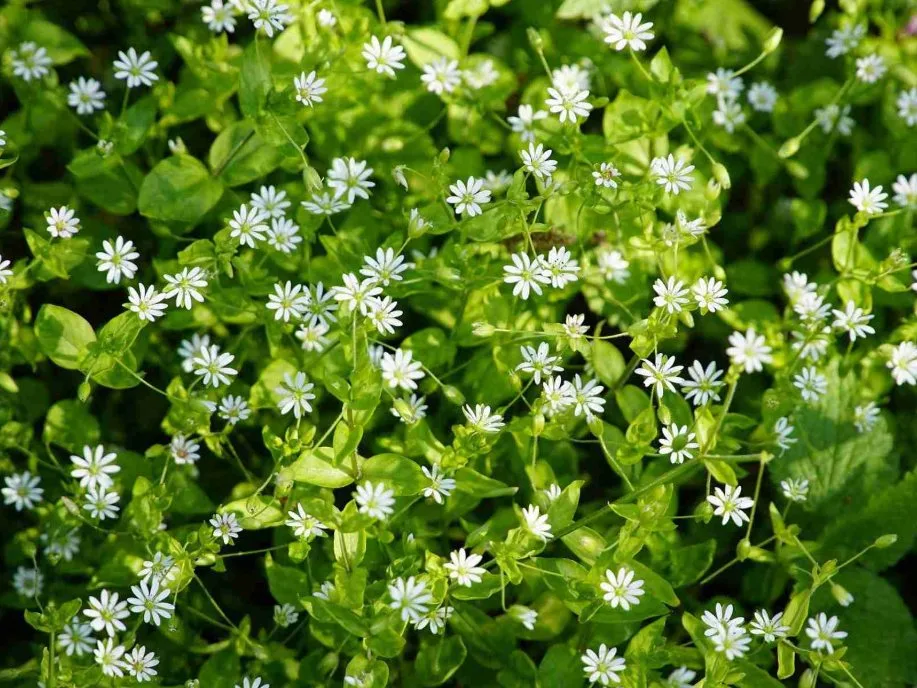
Stellaria media
A humble cool-season green that many people weed out before discovering it is edible.
Explore this plant