
Why grow it?
A compact perennial with an immediate selling point: leaves that taste sharply lemony. It is useful in pots, easy to revisit for small harvests and instantly understandable once someone tastes it.
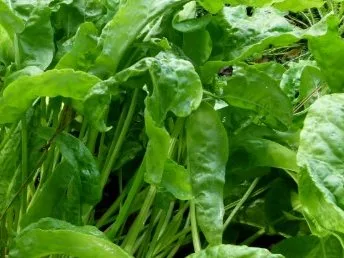
Herbs
Rumex acetosa subsp. acetosa
A perennial leaf with a clean lemony tang that can brighten salads, sauces, soups and fish dishes.
Each plant is grown in small batches and cared for individually before dispatch. Because these are living plants, their appearance naturally changes with the season — they may be compact and freshly potted at some times of year, or taller and more established at others. Plants are supplied healthy, well rooted and ready to continue growing on.
Why it belongs in a forgotten garden
A compact perennial with an immediate selling point: leaves that taste sharply lemony. It is useful in pots, easy to revisit for small harvests and instantly understandable once someone tastes it.
A sharp, zesty herb with a vibrant citrusy punch, Lemon Sorrel (Rumex acetosa subsp. acetosa) has been a classic in European cooking for centuries. Its bright flavour is a timeless secret for cutting through richness and adding a fresh bite to everything from creamy soups to light spring dishes. It’s a simple plant with a powerful and elegant taste.
Explore its place in Ancient garden history.
Growing guide
Fertile, moisture-retentive but well-drained soil. It also performs well in containers with regular feeding.
Light: Full sun to partial shade
Keep reasonably moist for soft leaf growth. Container plants need more attention in hot weather.
Grow from seed or divide established clumps in spring or autumn.
Remove flowering stems if leaf production is the priority and cut tired foliage back to encourage fresh growth.
From garden to kitchen
Pick young leaves from spring through autumn, taking a little and often from established plants.
Pick young leaves regularly from established plants. Frequent harvesting encourages fresh growth; the older leaves develop a stronger acidity.
Leaves are the main crop.
The tender leaves add a brilliant, lemony taste to dishes. Perfect for elevating salads, sauces, and seafood. It shines when blended into creamy soups or used as a fresh garnish to add a vibrant finish.
Sorrel contributes fibre, vitamin C and other micronutrients typical of leafy greens, but it also contains oxalic acid. Use it as a strongly flavoured ingredient rather than a bulk food eaten in huge amounts.
Worth knowing: A small amount of Lemon Sorrel brings a great deal of flavour while also contributing vitamin C and other leafy-green micronutrients. Like other sorrels it contains oxalates, so it is best enjoyed as part of a varied diet.
Traditional medicinal uses, where mentioned in the historical material, are included as history rather than medical advice.
Kitchen idea
The leaves collapse almost instantly into a bright green, sharp sauce.
How tough is it?
A reliable performer, Lemon Sorrel is highly resistant to common pests and returns faithfully each spring. It’s a hardy, low-maintenance herb that will brighten up your garden and your cooking for years to come.
Generally robust. Slugs may chew young leaves and prolonged drought makes foliage tougher. Flowering can reduce leaf quality.
Flowering stems can support small insects, though most kitchen growers remove them to favour leaves.
Ideal for medium containers (minimum 25–30 cm deep)
Container plants generally need more frequent watering and feeding than the same plant in open ground.
Ready to grow it?
Each plant is grown in small batches and cared for individually before dispatch. Because these are living plants, their appearance naturally changes with the season — they may be compact and freshly potted at some times of year, or taller and more established at others. Plants are supplied healthy, well rooted and ready to continue growing on.
If this caught your eye…
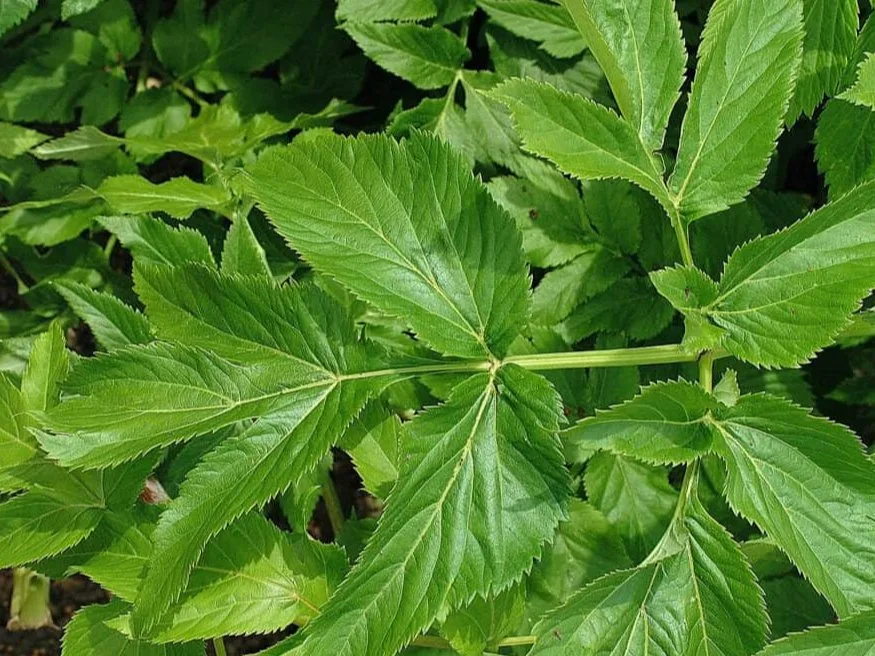
Angelica archangelica
A towering aromatic biennial once prized for candied stems, preserves and liqueurs.
Explore this plant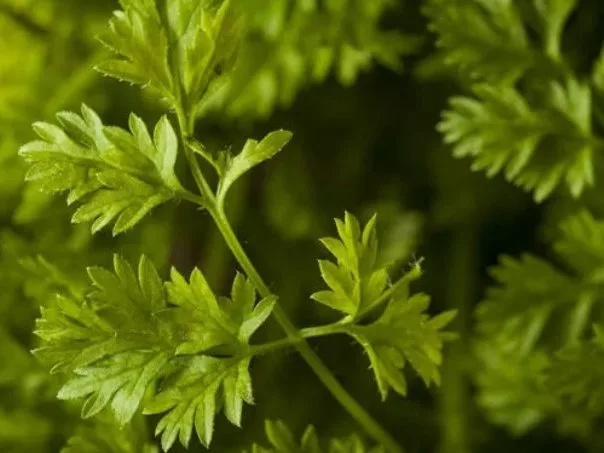
Anthriscus cerefolium
A delicate old kitchen-garden herb with a soft parsley-and-anise flavour.
Explore this plant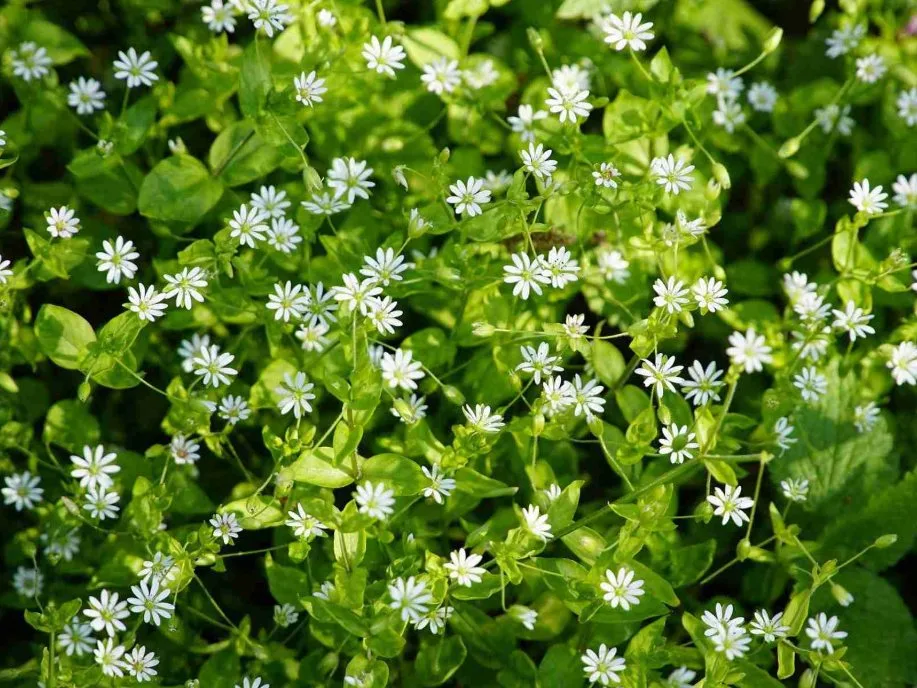
Stellaria media
A humble cool-season green that many people weed out before discovering it is edible.
Explore this plant