Why grow it?
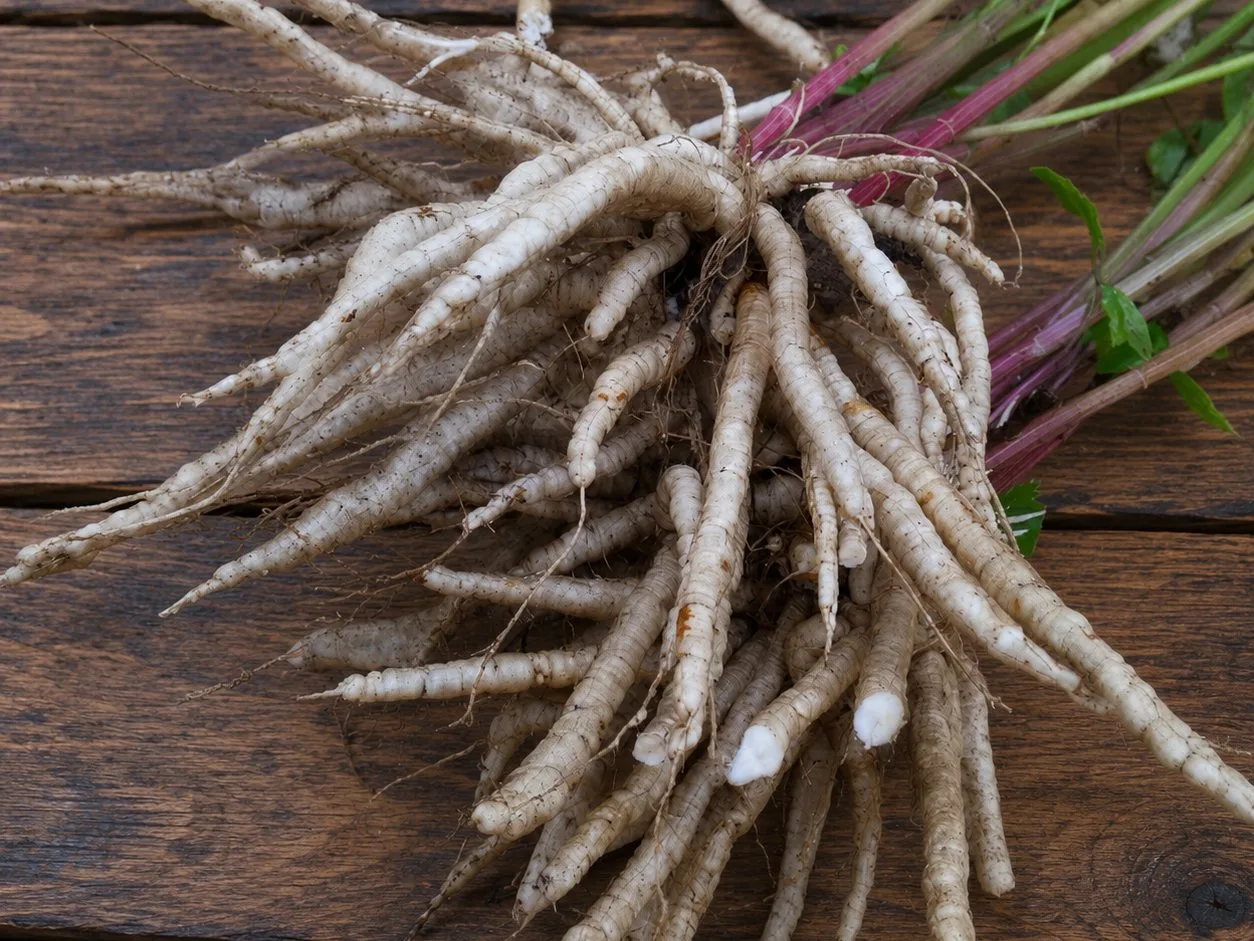
A genuinely old perennial root crop that produces clusters of sweet, pencil-like roots rather than one large root. It is unusual in both appearance and history.
Perennial Vegetables
Sium sisarum
A forgotten European root crop producing clusters of sweet, slender roots once prized in castle and monastery gardens.
Each plant is grown in small batches and cared for individually before dispatch. Because these are living plants, their appearance naturally changes with the season — they may be compact and freshly potted at some times of year, or taller and more established at others. Plants are supplied healthy, well rooted and ready to continue growing on.
Why it belongs in a forgotten garden
A genuinely old perennial root crop that produces clusters of sweet, pencil-like roots rather than one large root. It is unusual in both appearance and history.
A forgotten treasure of Europe, Skirret (Sium sisarum) was once prized for its tender, sweet roots. Grown in both castle gardens and monastery plots, this plant is a testament to the rewards of looking beyond the usual vegetables. Think of it as nature’s answer to a sweet, mild parsnip, a delightful flavour hidden just beneath the surface.
Explore its place in Medieval garden history.
Growing guide
Deep, fertile soil with reliable moisture. Rich, loose ground makes straighter, less woody roots.
Light: Full sun to partial shade
Keep consistently moist during active growth; drought encourages fibrous roots.
Grow from seed or divide crown offsets. Seed can be slow; autumn sowing or cold treatment may improve germination.
Mulch generously, keep weeds down and divide crowns every few years. Remove flower stems if root production is the priority.
From garden to kitchen
Lift roots from late autumn through winter once foliage dies back. Replant a healthy crown piece if you want the plant to continue.
Lift roots after the foliage dies back, generally from late autumn through winter. Replant a crown or save divisions if you want to keep the perennial crop going.
Clustered roots are the principal crop; young shoots are also edible.
The sweet and nutty roots are incredibly versatile. They are ideal for boiling, roasting, or adding to soups and stews, their subtle flavour pairs beautifully with butter, cream, or savoury herbs.
Roots provide carbohydrate and fibre. Their appeal is a naturally sweet flavour and historic status rather than a special modern health claim.
Naturally much sweeter than most root vegetables, Skirret stores a notable proportion of its carbohydrate as sugars, helping give the cooked roots their characteristic sweetness.
Worth knowing: Skirret is a naturally sweet, aromatic root vegetable providing carbohydrate, fibre and useful B-group vitamins and vitamin C. Its appeal is as much about flavour and texture as nutrition.
Traditional medicinal uses, where mentioned in the historical material, are included as history rather than medical advice.
Kitchen idea
A light glaze suits Skirret’s natural sweetness.
How tough is it?
A truly hardy and dependable perennial, Skirret is highly resistant to common pests and holds its own in a variety of conditions. Its robust root system ensures a sweet and reliable harvest for years to come.
Woody cores are more likely in dry or stressed plants. Slugs and rodents can damage roots; crown rot can occur in stagnant wet soil.
Umbels attract beneficial insects if plants are allowed to flower.
Needs a deep container (minimum 30–35 cm) to support strong root development
Container plants generally need more frequent watering and feeding than the same plant in open ground.
Ready to grow it?
Each plant is grown in small batches and cared for individually before dispatch. Because these are living plants, their appearance naturally changes with the season — they may be compact and freshly potted at some times of year, or taller and more established at others. Plants are supplied healthy, well rooted and ready to continue growing on.
If this caught your eye…
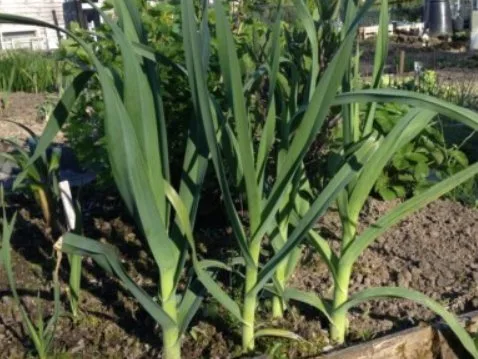
Allium ampeloprasum var. babingtonii
A perennial leek relative that returns year after year and even produces little bulbils at the top of its flower stem.
Explore this plant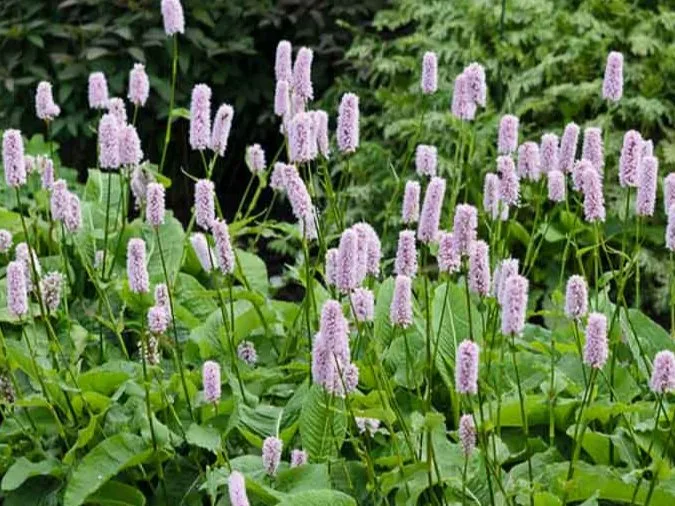
Persicaria bistorta
A hardy perennial once gathered for traditional spring greens and northern seasonal dishes.
Explore this plant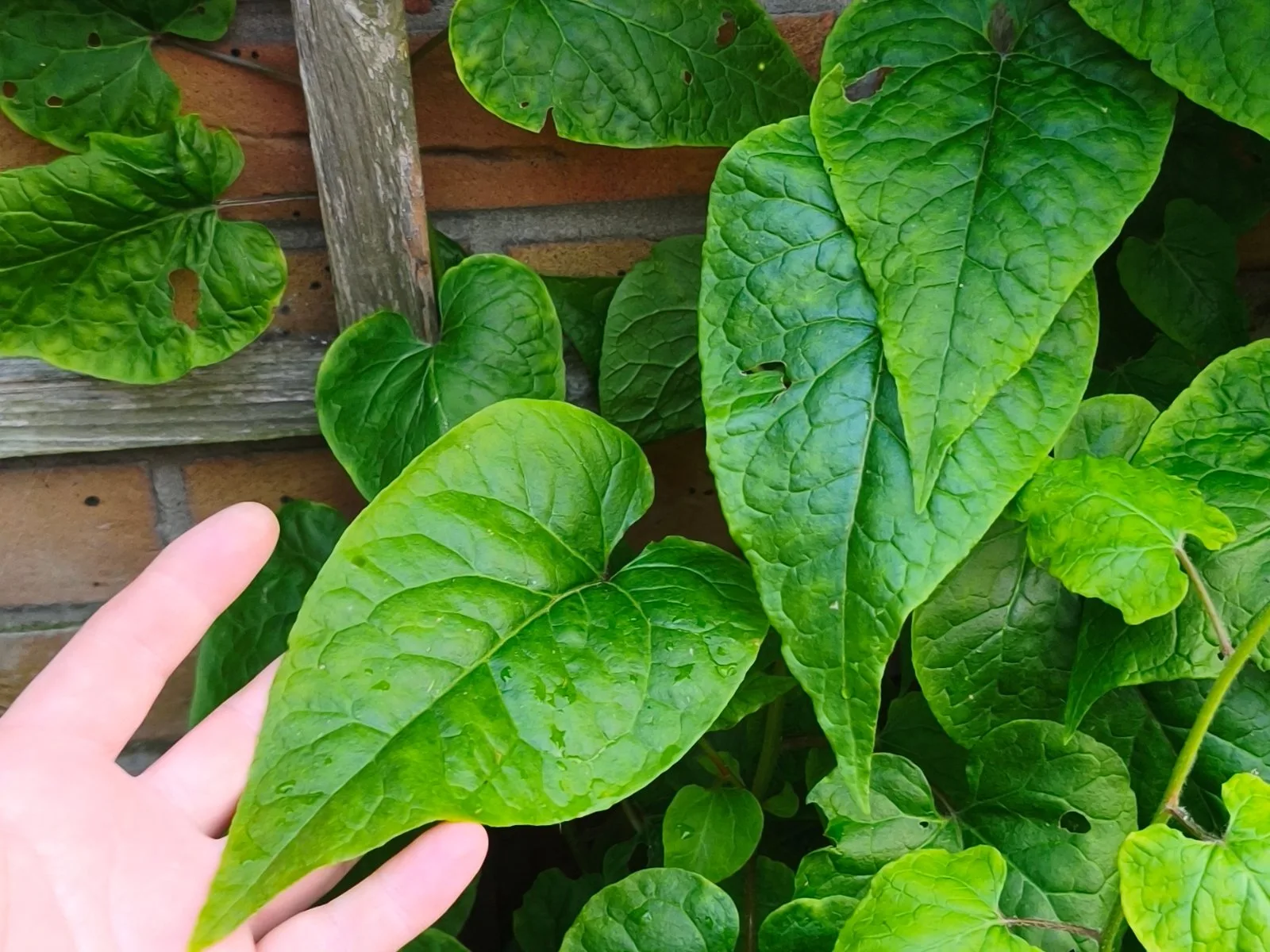
Hablitzia tamnoides
A rare perennial climbing spinach that actually likes shade and can produce edible shoots and leaves for decades.
Explore this plant