
Why grow it?
A heat-loving succulent green that does the opposite of many salad plants: it becomes happiest when summer turns hot and dry.
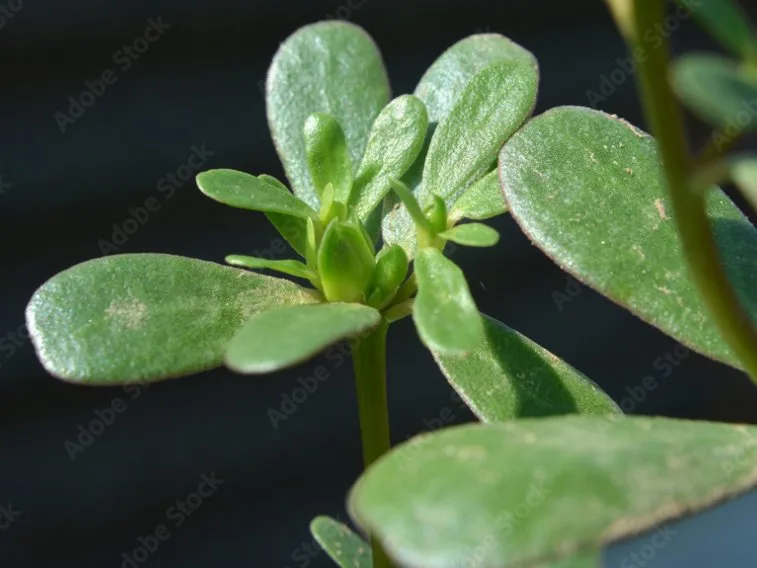
Wild & Historic Edibles
Portulaca oleracea
A succulent edible “weed” with a fresh lemony bite that shrugs off heat and dry soil.
Each plant is grown in small batches and cared for individually before dispatch. Because these are living plants, their appearance naturally changes with the season — they may be compact and freshly potted at some times of year, or taller and more established at others. Plants are supplied healthy, well rooted and ready to continue growing on.
Why it belongs in a forgotten garden
A heat-loving succulent green that does the opposite of many salad plants: it becomes happiest when summer turns hot and dry.
Often mistaken for a common weed, Purslane is a quick-growing succulent with a tangy, lemony bite. This low-spreading plant has been used for centuries across Asia, Europe, and the Middle East as both a culinary staple and a traditional medicine. With a history as rich as its nutrient profile, Purslane is an unassuming gem waiting to be rediscovered.
Explore its place in Ancient garden history.
Growing guide
Light, free-draining soil in full sun. Rich soil is not essential.
Light: Full sun
Young plants need moisture to establish, but mature Purslane is highly drought tolerant. Overwatering can make plants soft.
Sow very shallowly with warmth from late spring. Seed is tiny and germination is much better once conditions are genuinely warm.
Pinch or cut shoots regularly to encourage branching. Prevent seed set if you do not want volunteers the following year.
From garden to kitchen
Pick succulent tips and leaves throughout warm summer weather before plants become old and seedy.
Snip tender stem tips once plants are well established. Regular cutting encourages more branching; harvest before cold weather ends the crop.
Leaves and tender stems; flower buds are also edible.
With a slightly sour and refreshing taste, Purslane is perfect for adding a bright, zesty flavour to a range of dishes. It is delicious raw in salads, blended into smoothies, or cooked into soups and stews.
Purslane is unusual among leafy vegetables for containing appreciable alpha-linolenic acid (ALA), an omega-3 fatty acid, alongside fibre and micronutrients.
Unusual among leafy vegetables for providing alpha-linolenic acid (ALA), an essential omega-3 fatty acid, alongside vitamins C and E.
Worth knowing: Purslane is unusual among leafy vegetables because it provides alpha-linolenic acid (ALA), a plant-based omega-3 fatty acid, alongside vitamins C and E. It also contains oxalates, so variety in the diet remains sensible.
Traditional medicinal uses, where mentioned in the historical material, are included as history rather than medical advice.
Kitchen idea
The crisp, slightly tangy stems work beautifully raw.
How tough is it?
A tenacious survivor, Purslane is highly resistant to common pests and thrives in warm, dry conditions where other plants might struggle. It’s a low-maintenance, drought-tolerant herb that self-seeds freely, ensuring a consistent and reliable supply for your garden with minimal fuss.
Few pests in hot dry conditions. Slugs can attack young plants. Cold, wet weather is far more damaging than heat.
Small flowers can be visited by insects, although the crop is usually harvested before heavy flowering.
Suitable for small to medium containers (minimum 15–20 cm deep)
Container plants generally need more frequent watering and feeding than the same plant in open ground.
Ready to grow it?
Each plant is grown in small batches and cared for individually before dispatch. Because these are living plants, their appearance naturally changes with the season — they may be compact and freshly potted at some times of year, or taller and more established at others. Plants are supplied healthy, well rooted and ready to continue growing on.
If this caught your eye…
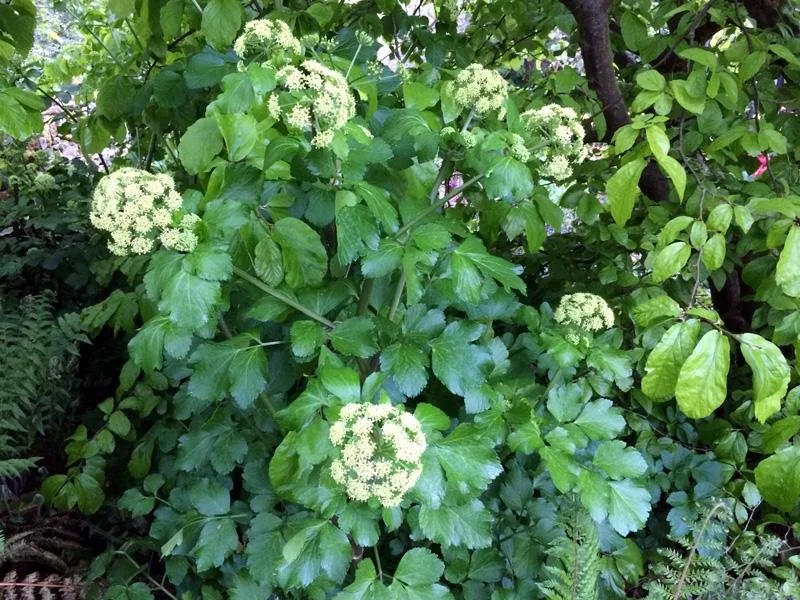
Smyrnium olusatrum
A Roman-era vegetable with edible shoots, leaves and flower buds — once common enough to be ordinary, now unusual enough to stop people scrolling.
Explore this plant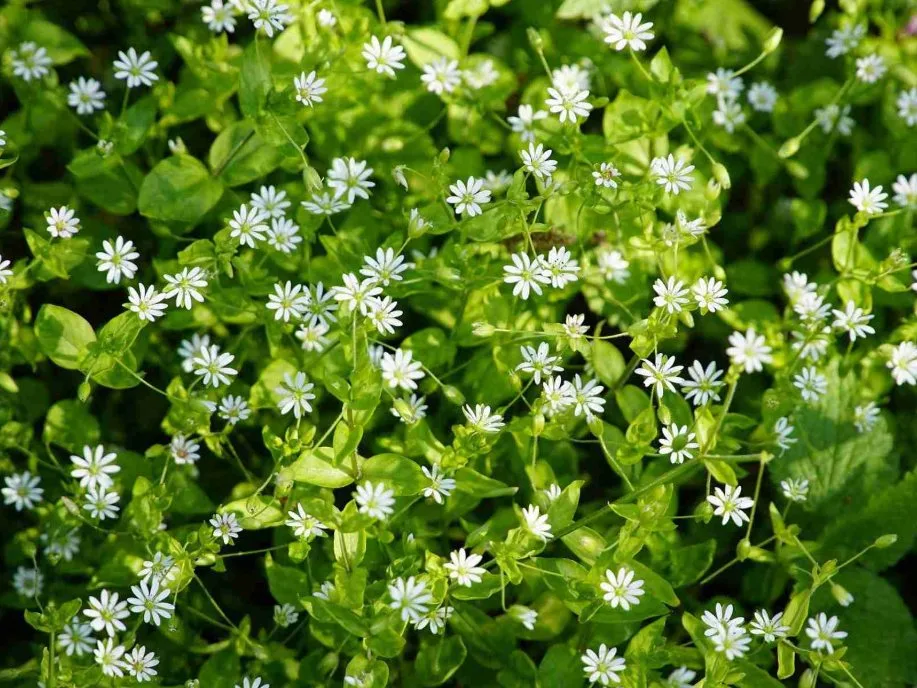
Stellaria media
A humble cool-season green that many people weed out before discovering it is edible.
Explore this plant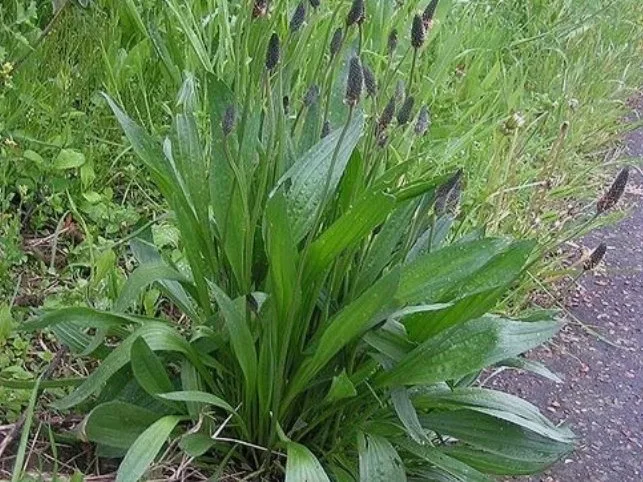
Plantago lanceolata
A tough little perennial that survives poor soil, dry weather and foot traffic — with edible young leaves and seeds.
Explore this plant