
Why grow it?
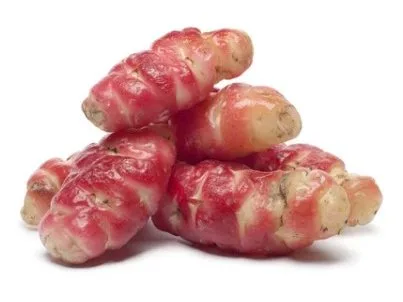
Oca looks like a decorative clover-like plant all summer, then hides the real prize underground: brightly coloured, tangy tubers formed late in the season.
Roots & Tubers
Oxalis tuberosa
A colourful Andean tuber with a lively tang raw and a softer nutty flavour once cooked.
Each tuber is selected from healthy stock and prepared for planting. As a natural living product, size, shape and appearance will vary, and tubers may be supplied dormant depending on the season. They are sent in suitable condition for planting and ready to establish once growing conditions are right.
Why it belongs in a forgotten garden
Oca looks like a decorative clover-like plant all summer, then hides the real prize underground: brightly coloured, tangy tubers formed late in the season.
A vibrant root crop from the Andes, Oca (Oxalis tuberosa) is a rewarding treasure with a zingy twist. This colourful perennial is gaining popularity in the UK as a low-maintenance, potato-like alternative that thrives in cooler climates. It rewards patience with a bright, delicious harvest that is well worth the wait.
Explore its place in Victorian garden history.
Growing guide
Loose, fertile, well-drained soil makes tuber harvest easier. It also grows well in large containers.
Light: Full sun to partial shade
Keep watered through summer growth, especially in pots, but avoid permanently saturated soil.
Plant seed tubers after frost risk has eased. It is propagated vegetatively rather than from true seed in normal garden practice.
Earth up or mulch around stems as plants grow. Protect from early autumn frost if possible because tuber formation accelerates as days shorten.
From garden to kitchen
Wait until frost has killed the foliage, then leave the tubers for roughly a week or two to finish swelling before lifting carefully.
Wait until late in the season: tuber formation increases as days shorten. Lift after frost has checked the foliage, taking care to find the small tubers around the plant.
Tubers are the main crop; leaves are also edible but contain oxalates and are not the reason most people grow it.
The tubers have a tangy flavour when eaten raw that mellows to a delicious nutty taste when cooked. They are excellent roasted, boiled, or fried and are a fantastic addition to salads, soups, or as a vibrant side dish.
Tubers provide carbohydrate, fibre and vitamin C. Their sharpness is partly due to oxalic acid, which can be reduced by exposing harvested tubers to light for several days before cooking.
Unlike many familiar starchy tubers, Oca can contribute useful vitamin C as well as carbohydrate and minerals. The amount varies between cultivars and with storage.
Worth knowing: Oca is a bright, tangy alternative to more familiar tubers, providing carbohydrate, fibre, vitamin C and useful minerals while bringing a genuinely different flavour to the plate.
Traditional medicinal uses, where mentioned in the historical material, are included as history rather than medical advice.
Kitchen idea
After a few days of light exposure, Oca becomes noticeably sweeter and roasts beautifully.
How tough is it?
A surprisingly tough perennial, Oca is highly resistant to common pests and holds its own in a variety of conditions. It adapts well to cooler climates, making it a dependable, low-maintenance choice that rewards you with a colourful harvest.
Relatively pest free. Slugs can damage foliage and tubers; the main challenge in Britain is getting enough frost-free autumn time for good tuber formation.
Flowers are uncommon in some conditions; the dense summer canopy still provides habitat at ground level.
Medium to large container (minimum 30–35 cm deep); prefers well-drained soil
Container plants generally need more frequent watering and feeding than the same plant in open ground.
Ready to grow it?
Each tuber is selected from healthy stock and prepared for planting. As a natural living product, size, shape and appearance will vary, and tubers may be supplied dormant depending on the season. They are sent in suitable condition for planting and ready to establish once growing conditions are right.
If this caught your eye…
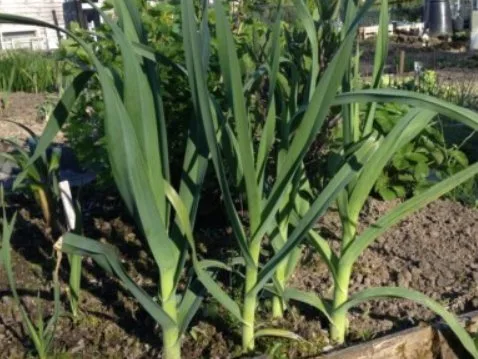
Allium ampeloprasum var. babingtonii
A perennial leek relative that returns year after year and even produces little bulbils at the top of its flower stem.
Explore this plant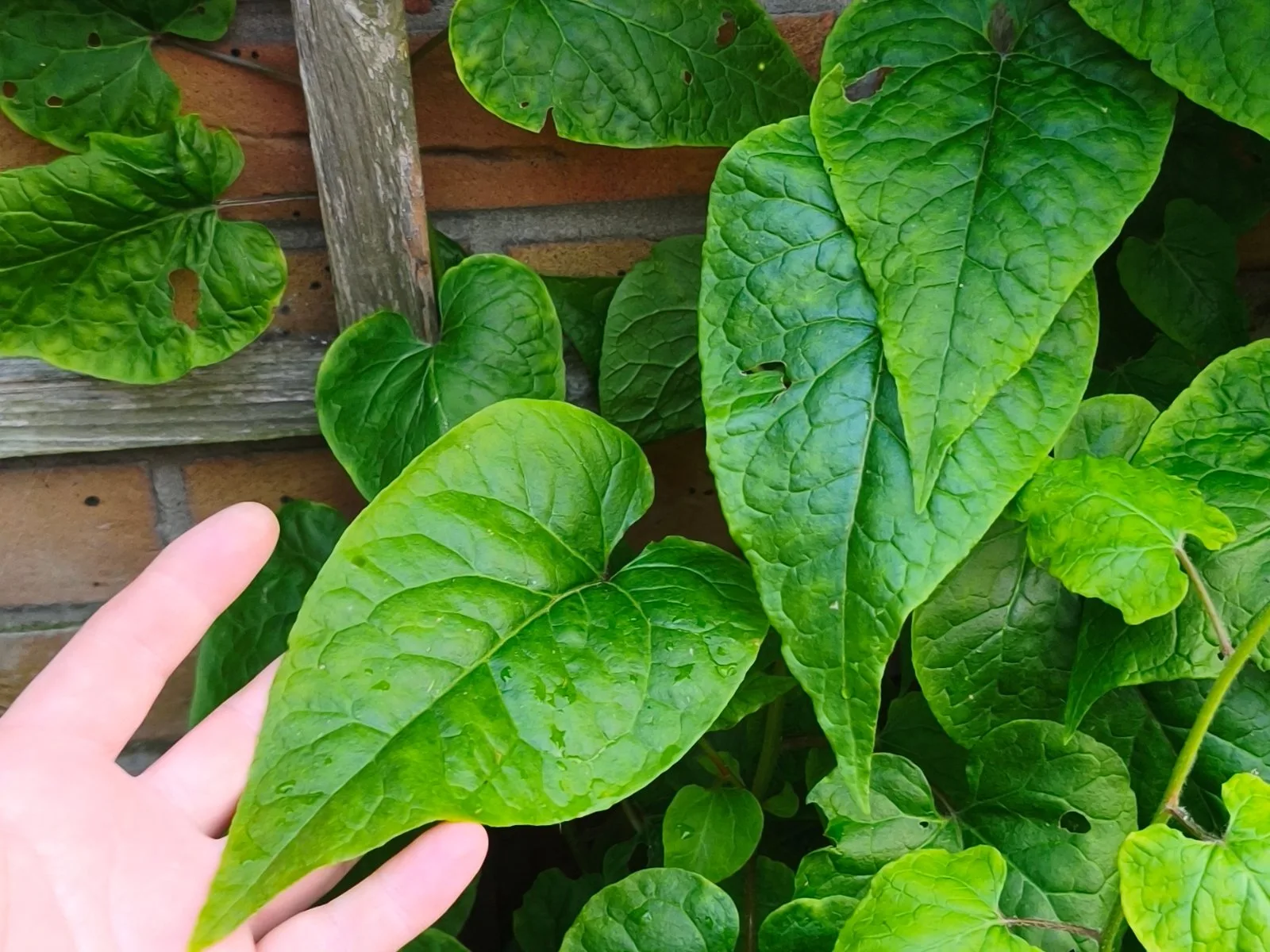
Hablitzia tamnoides
A rare perennial climbing spinach that actually likes shade and can produce edible shoots and leaves for decades.
Explore this plant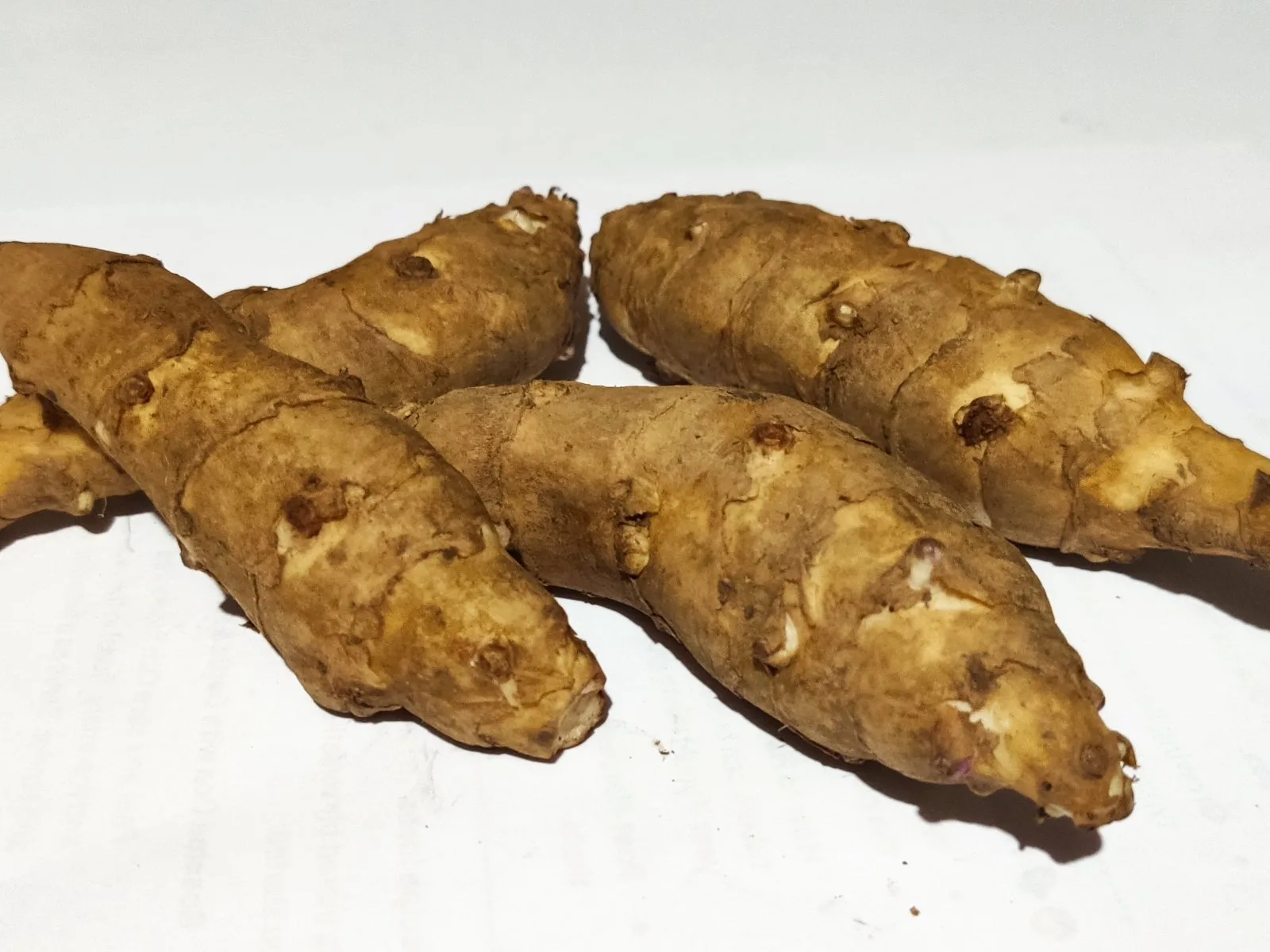
Helianthus tuberosus
A sunflower relative hiding huge crops of crisp, nutty tubers underground — vigorous enough to need containing.
Explore this plant