Why grow it?
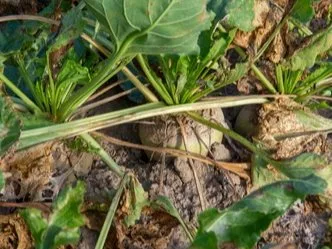
A giant root crop with a wonderfully Victorian name and a history tied to both human food and livestock fodder. “Ursus Poly” is grown as much for the spectacle of the root as for the story behind it.
Roots & Tubers
Beta vulgaris
A giant old fodder beet bred for dependable bulk: part Victorian curiosity, part serious food-security crop.
Each plant is grown in small batches and cared for individually before dispatch. Because these are living plants, their appearance naturally changes with the season — they may be compact and freshly potted at some times of year, or taller and more established at others. Plants are supplied healthy, well rooted and ready to continue growing on.
Why it belongs in a forgotten garden
A giant root crop with a wonderfully Victorian name and a history tied to both human food and livestock fodder. “Ursus Poly” is grown as much for the spectacle of the root as for the story behind it.
A product of agricultural improvement and necessity, Mangelwurzel rose to prominence in the 18th and 19th centuries as a high-yield, reliable root crop. Developed for productivity rather than delicacy, it became a cornerstone of Victorian food security, valued for its ability to produce large harvests in difficult conditions. Robust, generous, and unfussy, Mangelwurzel reflects a time when gardening and farming focused on resilience and scale.
Explore its place in Victorian garden history.
Growing guide
Deep, stone-free, fertile soil gives the roots room to swell. Incorporate organic matter but avoid very fresh manure immediately before sowing.
Light: Full sun
Steady moisture during root expansion gives the best growth; established plants tolerate ordinary summer variation.
Direct sow seed in spring and thin decisively so each root has room to develop.
Keep weed-free while small. Thin seedlings and water during prolonged dry weather. Lift before severe winter conditions if storage is required.
From garden to kitchen
Young leaves can be used during growth; roots are lifted from autumn onward when they have reached useful size.
Lift the swollen roots in autumn once they have reached useful size. Store sound roots cool and frost-free; young leaves can be taken sparingly earlier in the season.
Young leaves and roots. Mature fodder-type roots can become coarser than beetroot and are best cooked.
Traditionally used as a cooked vegetable or animal feed, Mangelwurzel develops a mild, earthy sweetness when boiled or roasted. Roots can be stored through winter, while young leaves may be used like chard. Though not a refined table vegetable, it is filling and dependable.
A Beta vulgaris crop related to beetroot and chard, providing carbohydrate, fibre and edible leaves. Historically its great virtue was yield and storability rather than delicacy.
Worth knowing: Mangelwurzel is a substantial storage root, providing carbohydrate, fibre and useful minerals. Younger roots are generally the most practical stage for the home kitchen, with a milder texture and flavour.
Traditional medicinal uses, where mentioned in the historical material, are included as history rather than medical advice.
Kitchen idea
Younger roots are the most approachable for the kitchen; mature giant roots can be considerably coarser.
How tough is it?
Exceptionally hardy and tolerant of poor soils, Mangelwurzel thrives where many crops fail. Its large roots store well and resist spoilage, making it a dependable, low-input crop well suited to self-sufficient growing and long-term food security.
Similar issues to beetroot and chard: leaf miners, slugs and occasional fungal leaf spots. Good rotation helps reduce soil-borne problems.
Flowering second-year plants can support insects, although roots are normally harvested before that stage.
Best grown in open ground; very large, deep containers (minimum 40–50 cm depth) required if grown in pots
Container plants generally need more frequent watering and feeding than the same plant in open ground.
Ready to grow it?
Each plant is grown in small batches and cared for individually before dispatch. Because these are living plants, their appearance naturally changes with the season — they may be compact and freshly potted at some times of year, or taller and more established at others. Plants are supplied healthy, well rooted and ready to continue growing on.
If this caught your eye…
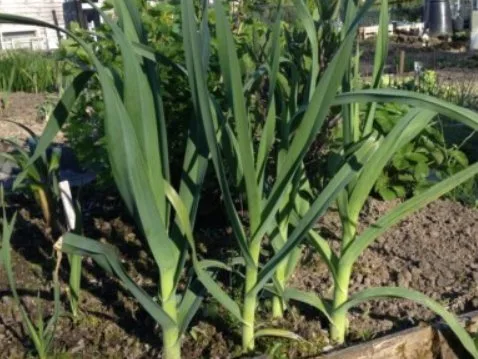
Allium ampeloprasum var. babingtonii
A perennial leek relative that returns year after year and even produces little bulbils at the top of its flower stem.
Explore this plant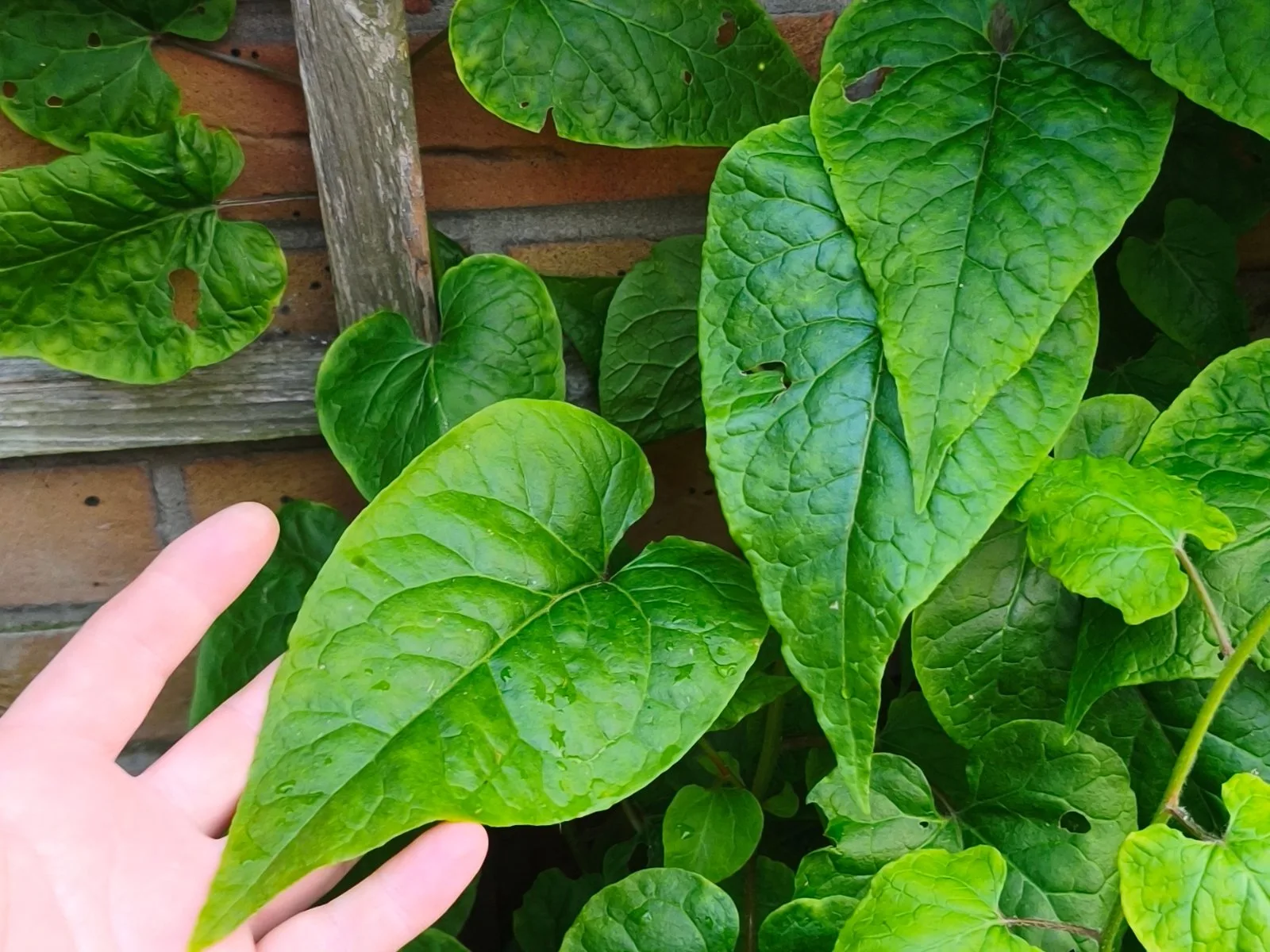
Hablitzia tamnoides
A rare perennial climbing spinach that actually likes shade and can produce edible shoots and leaves for decades.
Explore this plant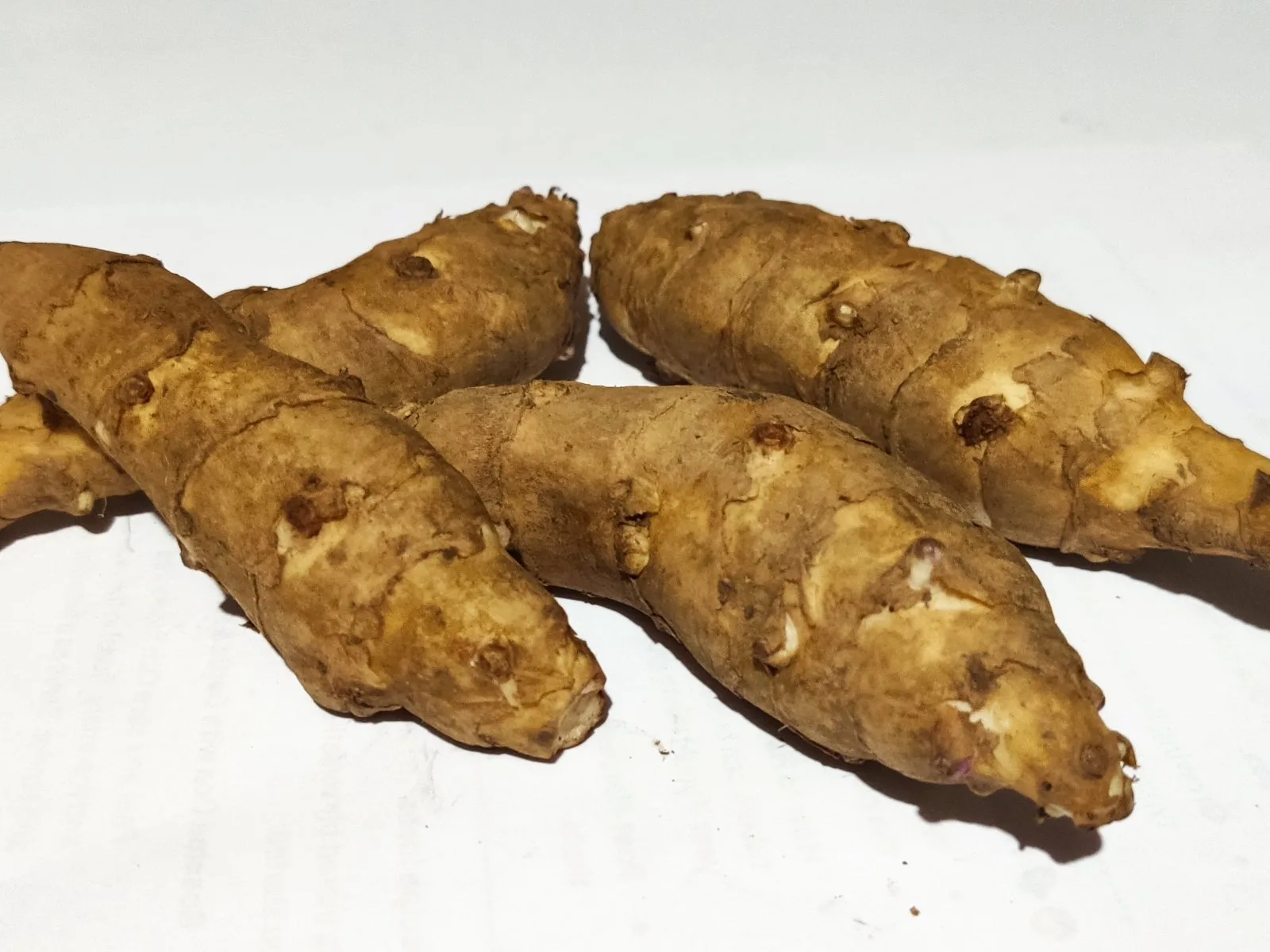
Helianthus tuberosus
A sunflower relative hiding huge crops of crisp, nutty tubers underground — vigorous enough to need containing.
Explore this plant