Why grow it?
A genuine cottage-garden curiosity: a long-lived leafy vegetable whose young shoots, leaves and flower buds can all be used. It rewards patience more than speed.
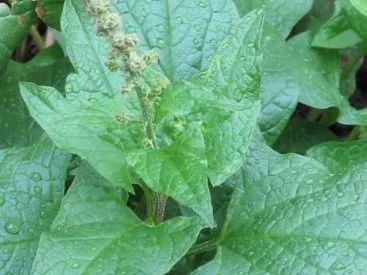
Perennial Vegetables
Chenopodium bonus-henricus
A once-familiar cottage-garden vegetable with spinach-like leaves and spring shoots sometimes called “poor man’s asparagus”.
Each plant is grown in small batches and cared for individually before dispatch. Because these are living plants, their appearance naturally changes with the season — they may be compact and freshly potted at some times of year, or taller and more established at others. Plants are supplied healthy, well rooted and ready to continue growing on.
Why it belongs in a forgotten garden
A genuine cottage-garden curiosity: a long-lived leafy vegetable whose young shoots, leaves and flower buds can all be used. It rewards patience more than speed.
Once a staple across Europe, Good King Henry (Chenopodium bonus-henricus) was a plant for everyone. Also called “poor man’s asparagus,” its tender shoots and rich, spinach-like leaves made it a go-to green for both humble cottage gardens and elaborate castle kitchens. It’s a versatile and reliable plant, loved for its simple, hearty nature and its ability to provide two different harvests.
Explore its place in Medieval garden history.
Growing guide
Fertile, humus-rich soil that stays reasonably moist. It is happier in a permanent bed than a dry annual vegetable row.
Light: Full sun to partial shade
Keep young plants consistently moist while establishing. Mature crowns cope better but appreciate water in dry spring weather.
Usually from seed. Germination can be slow and erratic; autumn sowing or a cold period can help. Established crowns can also be divided.
Do not overharvest small first-year plants. Mulch established crowns, remove old flowering stems and divide congested plants after several years.
From garden to kitchen
Young shoots are taken in spring; leaves follow through spring and early summer. Flower buds can be used before opening.
Take a modest first harvest from established plants in spring. Young leaves are used as greens and early shoots can be cut when tender; give young plants time to establish before heavy picking.
Young shoots, leaves and unopened flower buds.
This dual-purpose plant offers both young shoots that can be cooked like asparagus and rich, earthy leaves perfect for soups, stews, or sautéed dishes. The seeds can even be ground into a rustic flour.
A leafy green with fibre and micronutrients typical of chenopod greens. It also contains oxalates, so it is better treated as one varied vegetable among many rather than eaten in very large quantities.
The leaves can provide useful iron alongside vitamins A and C, although their oxalate content can reduce the availability of some minerals.
Worth knowing: Good King Henry is a useful perennial green providing vitamins A and C together with iron and calcium. The leaves also contain oxalates, so young growth and sensible portions are the better approach.
Traditional medicinal uses, where mentioned in the historical material, are included as history rather than medical advice.
Kitchen history
The young spring shoots are sometimes compared with asparagus, which suggests the simplest preparation.
Good King Henry has long been known as “poor man’s asparagus”; leaves can also be cooked like spinach.
How tough is it?
A truly steadfast plant, Good King Henry is highly resistant to common pests and returns reliably each spring with very little fuss. It’s a dependable perennial that thrives even better in open ground, making it a low-maintenance, long-lasting addition to any garden.
Slugs and snails are the main nuisance on new spring growth. Once crowns are mature it is generally hardy and persistent.
Flowers are modest but can be visited by small insects; the perennial crown also adds permanent structure to the garden.
Best in medium containers (minimum 25–30 cm deep), but thrives even better in open ground
Container plants generally need more frequent watering and feeding than the same plant in open ground.
Ready to grow it?
Each plant is grown in small batches and cared for individually before dispatch. Because these are living plants, their appearance naturally changes with the season — they may be compact and freshly potted at some times of year, or taller and more established at others. Plants are supplied healthy, well rooted and ready to continue growing on.
If this caught your eye…
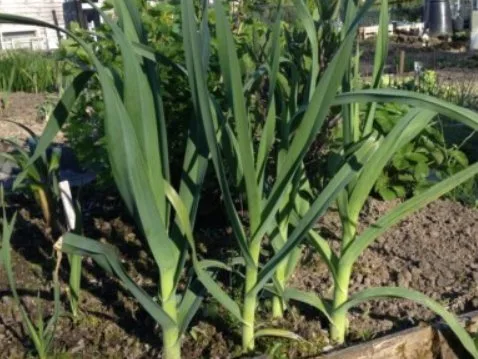
Allium ampeloprasum var. babingtonii
A perennial leek relative that returns year after year and even produces little bulbils at the top of its flower stem.
Explore this plant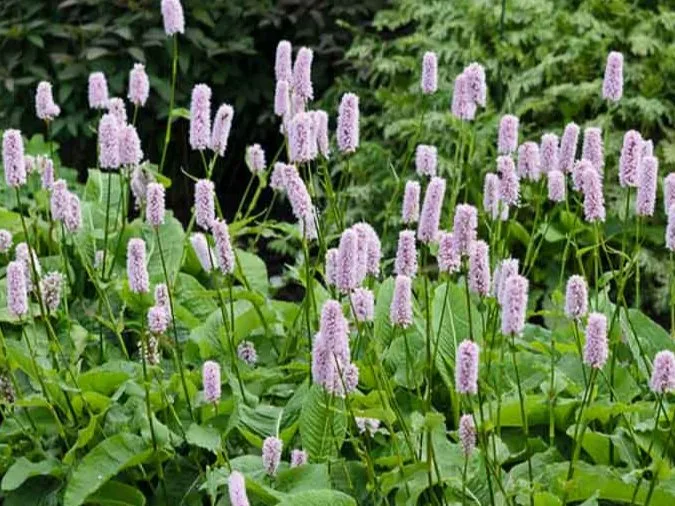
Persicaria bistorta
A hardy perennial once gathered for traditional spring greens and northern seasonal dishes.
Explore this plant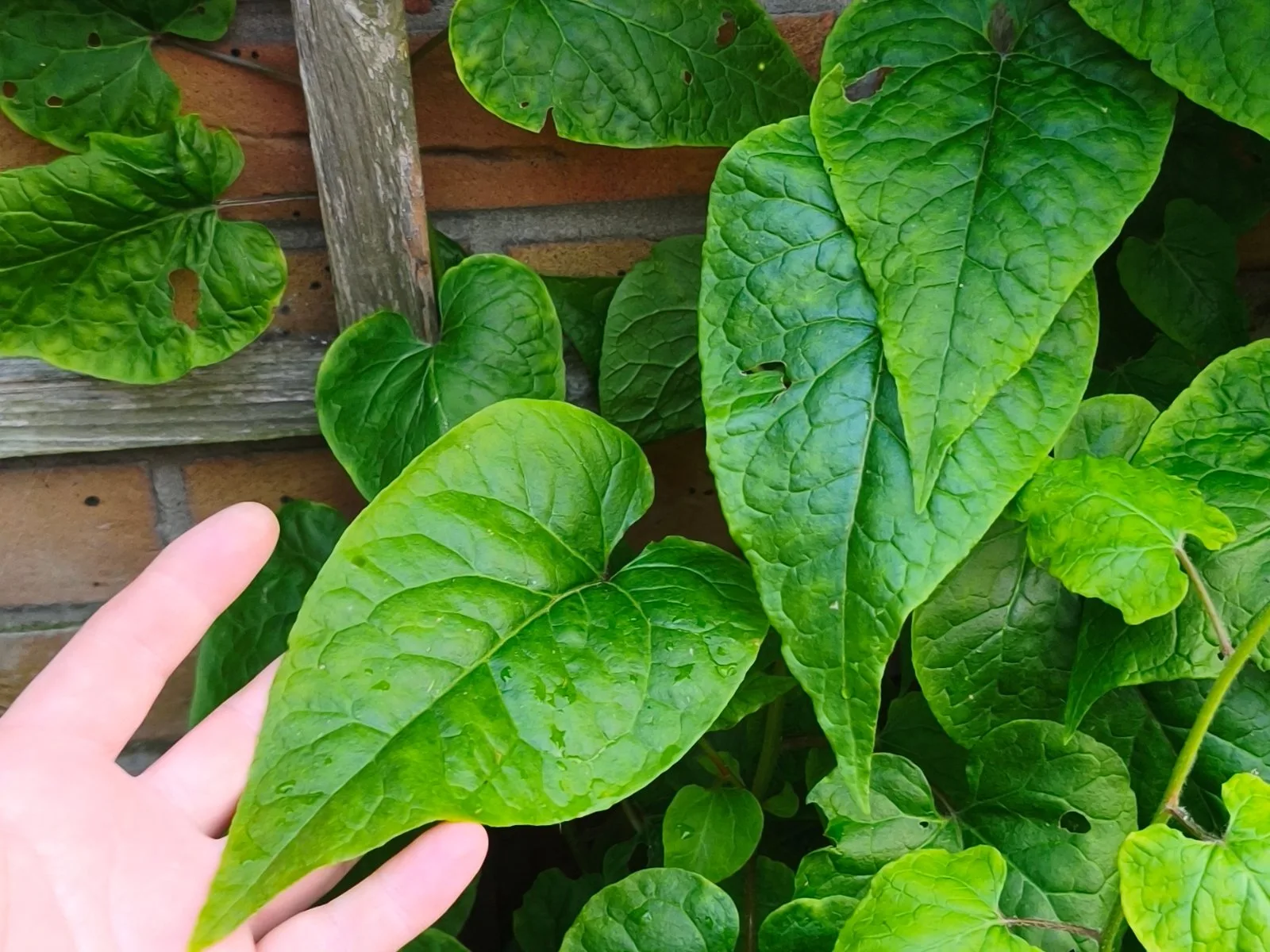
Hablitzia tamnoides
A rare perennial climbing spinach that actually likes shade and can produce edible shoots and leaves for decades.
Explore this plant