Why grow it?
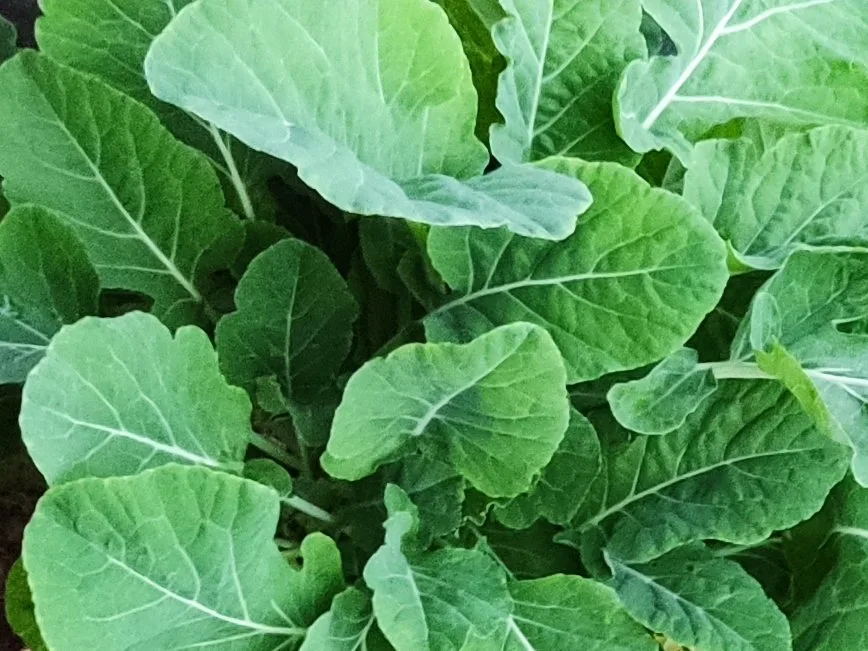
The name does most of the selling: “everlasting cabbage”. Ewiger Kohl is a long-lived perennial brassica harvested leaf by leaf and normally maintained from cuttings rather than resown each spring.
Perennial Vegetables
Brassica oleracea var. ramosa
Its name means “everlasting cabbage” — a perennial kale that can crop for years without being resown.
Each plant is grown in small batches and cared for individually before dispatch. Because these are living plants, their appearance naturally changes with the season — they may be compact and freshly potted at some times of year, or taller and more established at others. Plants are supplied healthy, well rooted and ready to continue growing on.
Why it belongs in a forgotten garden
The name does most of the selling: “everlasting cabbage”. Ewiger Kohl is a long-lived perennial brassica harvested leaf by leaf and normally maintained from cuttings rather than resown each spring.
Also known as everlasting cabbage, Ewiger Kohl is a hardy, low-maintenance leafy green grown for its reliable harvests and tender spring leaves. Unlike the tougher Daubenton kale often sold elsewhere, this is a softer, more pleasant-leaved form that makes an excellent choice for the kitchen garden. Ideal for sustainable growing, it provides a steady supply of fresh greens with very little fuss. Evergreen in mild winters and quick to regrow strongly each spring. Full sun to partial shade. Can reach around 90 cm tall and spread to approximately 60 cm wide. Best in open ground, but can also be grown in a large container at least 35 to 40 cm deep. Produces mild, tender leaves that are ideal as spring greens. Harvest as needed and use fresh when young, or cook in the same way as kale or cabbage in stir-fries, soups, and other savoury dishes. A reliable perennial crop that returns year after year, making it a great choice for productive, low-maintenance gardens. A tough and dependable plant that copes well in a range of conditions. Once established, it is easy to look after and rewards with repeat harvests over a long season.
Explore its place in Medieval garden history.
Growing guide
Fertile, moisture-retentive but well-drained soil. A generous mulch or compost top-dressing supports the continuous leaf production.
Light: Full sun to partial shade.
Water well during establishment and in prolonged dry periods. Mature plants are tougher but crop best when not repeatedly drought-stressed.
Propagate from healthy side-shoot or stem cuttings. This type is valued precisely because it is vegetatively maintained and may flower rarely or inconsistently.
Harvest regularly, remove damaged lower leaves and prune back long, ungainly stems to encourage bushier replacement growth. Stake very large plants in exposed gardens.
From garden to kitchen
Leaves can be taken for much of the year once the plant is established, with the best quality from vigorous fresh growth.
Take tender outer leaves and shoot tips as needed while leaving enough foliage for the plant to keep growing. It is a genuine cut-and-come-again crop, with the strongest fresh growth typically returning in spring.
Leaves and tender young shoots.
Produces mild, tender leaves that are ideal as spring greens. Harvest as needed and use fresh when young, or cook in the same way as kale or cabbage in stir-fries, soups and other savoury dishes.
As a leafy brassica it provides fibre and the familiar range of nutrients associated with kale and cabbage. Exact values depend on variety, leaf age and cooking method.
Worth knowing: As a perennial leafy brassica, Ewiger Kohl offers the familiar nutritional strengths of kale-type greens: vitamins C and K, pro-vitamin A, folate, fibre and useful minerals.
Traditional medicinal uses, where mentioned in the historical material, are included as history rather than medical advice.
Kitchen history
A robust everyday use for a plant designed to be harvested again and again.
A modern recipe built around the old-site selling point: tender leaves used as spring greens.
How tough is it?
A tough and dependable plant that copes well in a range of conditions. Once established, it is easy to look after and rewards with repeat harvests over a long season.
Treat it like other brassicas: caterpillars, pigeons, slugs and whitefly can all cause damage. Because the plant is perennial, checking regularly matters more than assuming winter will reset the pest cycle.
If it flowers, brassica blooms are valuable to pollinators, although many perennial kales flower only rarely.
Best in open ground, but can also be grown in a large container at least 35–40 cm deep.
Container plants generally need more frequent watering and feeding than the same plant in open ground.
Ready to grow it?
Each plant is grown in small batches and cared for individually before dispatch. Because these are living plants, their appearance naturally changes with the season — they may be compact and freshly potted at some times of year, or taller and more established at others. Plants are supplied healthy, well rooted and ready to continue growing on.
If this caught your eye…
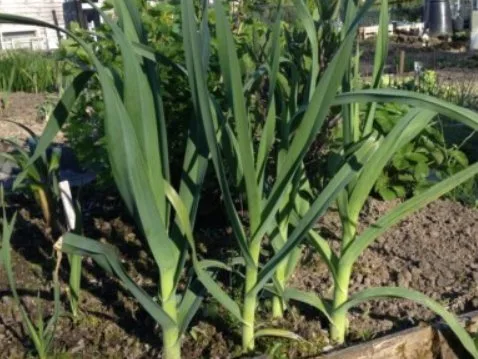
Allium ampeloprasum var. babingtonii
A perennial leek relative that returns year after year and even produces little bulbils at the top of its flower stem.
Explore this plant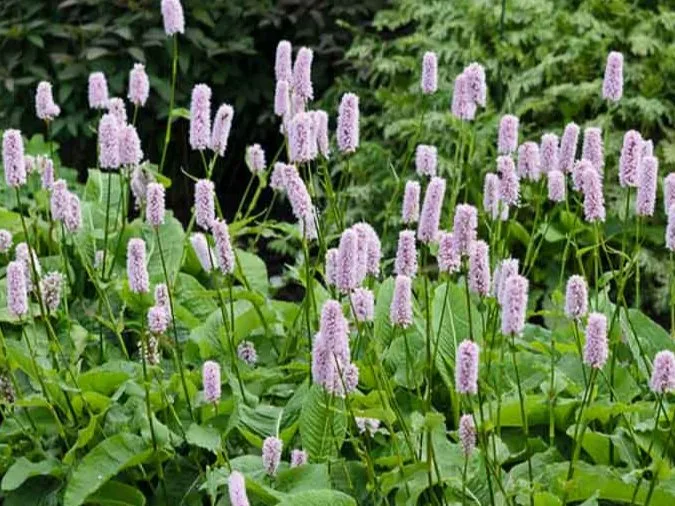
Persicaria bistorta
A hardy perennial once gathered for traditional spring greens and northern seasonal dishes.
Explore this plant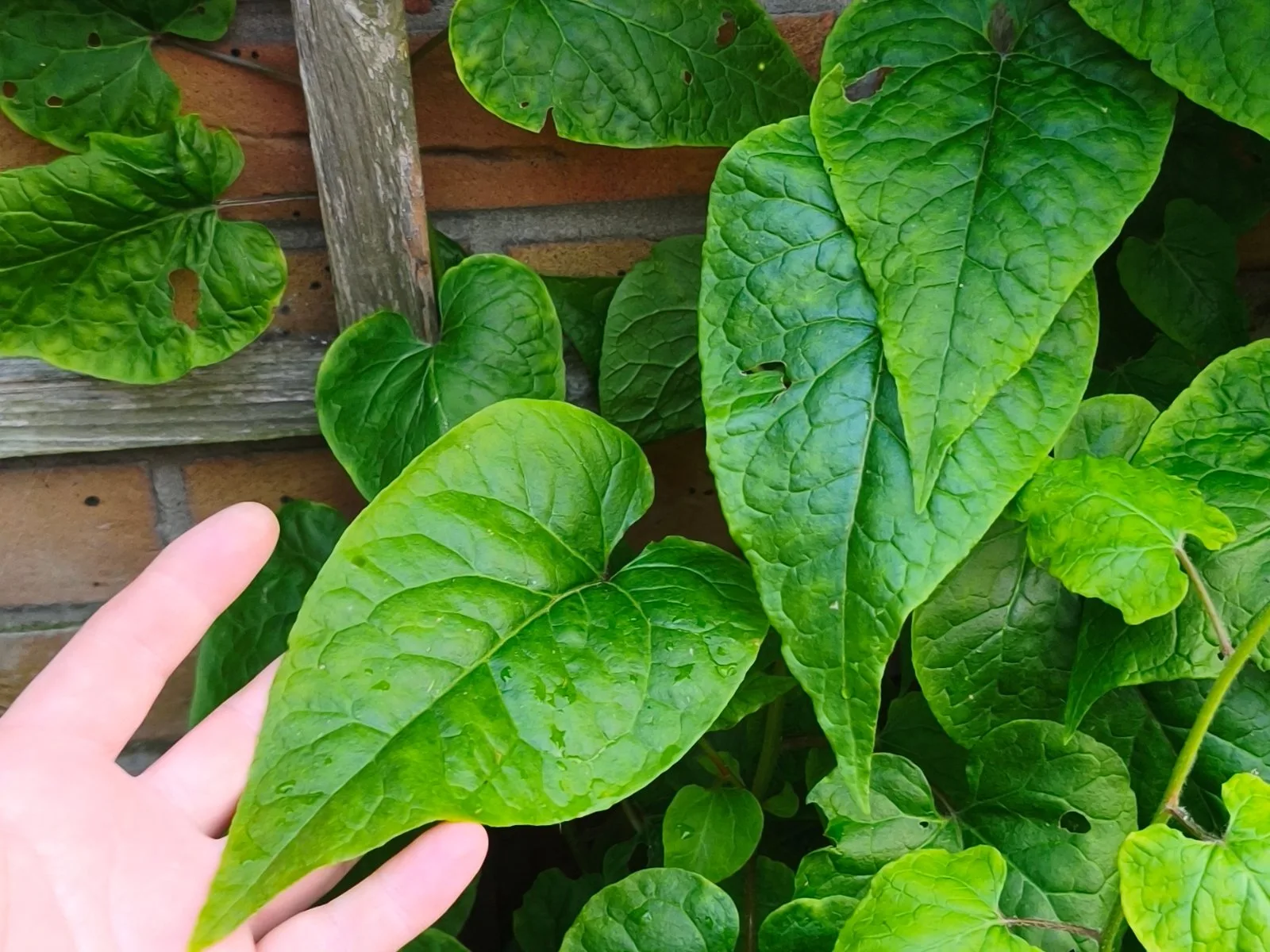
Hablitzia tamnoides
A rare perennial climbing spinach that actually likes shade and can produce edible shoots and leaves for decades.
Explore this plant