Victorian Gardens
Victorian gardens (19th century) reflected an intense enthusiasm for plants and progress. Driven by empire-wide exploration and scientific curiosity, exotic flowers and unfamiliar edible crops flowed into British gardens, transforming them into living collections of discovery and status.
Walled kitchen gardens reached new levels of sophistication, often incorporating heated walls and underground flues to extend the growing season and increase productivity. At the same time, ornamental planting became increasingly bold and controlled, with vibrant bedding displays arranged in precise patterns that expressed wealth, order, and pride in horticultural achievement.
Compact Garden Pea
– Victorian Dwarf Pea
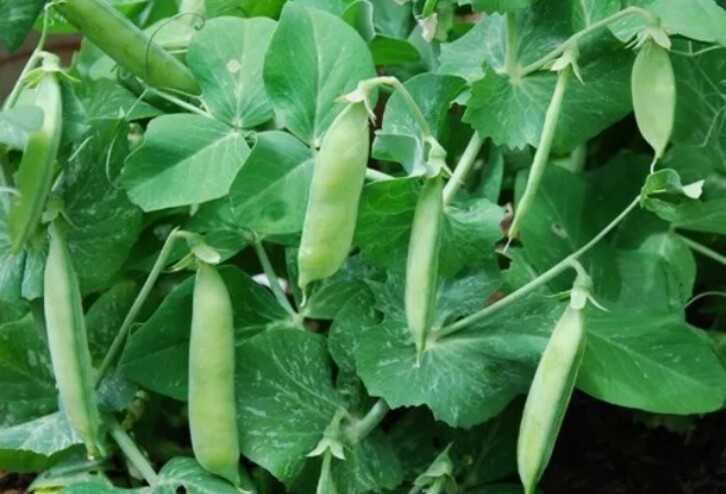
Dwarf Pea (Pisum sativum 'Tom Thumb Victorian')
A charming, compact heirloom variety, the Dwarf Pea (Pisum sativum 'Tom Thumb Victorian') was bred specifically for tight spaces. Once a favourite on Victorian windowsills and in kitchen gardens, this cheeky little plant is perfect for pots, patios, or for bringing the joy of a fresh harvest right to your doorstep.
🌱 Annual (does not survive winter; replant each spring or return to The Forgotten Garden for fresh stock)
🌤️ Light: Full sun
📏 Garden Size: Grows to about 20 cm tall and wide, very compact
🪴 Pot Size: Small to medium containers (minimum 10–15 cm deep)
🥗 Flavour & Use: The sweet peas are perfect fresh, steamed, or stirred into soups and stir-fries. You can even pick the young shoots early for tender salad greens, adding a touch of sweetness to your meals.
💚 Nutrition & Health: Despite its small stature, this pea is high in protein, fibre, and vitamins A and C. It is a perfect little powerhouse for boosting immunity, aiding digestion, and providing a burst of energy.
💪 Resilience: A tough and versatile little plant, the Dwarf Pea is highly resistant to common pests and is built for thriving in small spaces. It produces a reliable, delicious harvest in pots and containers, making it a perfect, low-maintenance choice for gardeners with limited space.
Leek Leaves and Bulbils
– Babington’s Leek
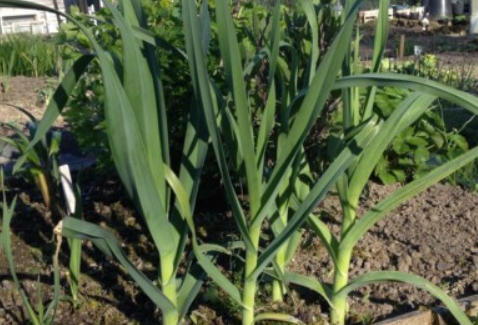
Babington’s Leek (Allium ampeloprasum var. babingtonii)
First noted by a Victorian botanist on the rugged Isles of Scilly in the 1830s, Babington’s Leek (Allium ampeloprasum var. babingtonii) is a true traveller. This perennial has journeyed from its wild coastal home to become a cherished cottage-garden favourite. Spreading reliably by underground bulbs, it offers a consistent harvest of mild leek-garlic greens for most of the year with almost no fuss.
🌱 Perennial (hardy; once planted it returns every year and slowly expands)
🌤️ Light: Full sun
📏 Garden Size: Flowering stems up to 1–1.5 m tall; clumps spread 20–30 cm wide over time
🪴 Pot Size: Large containers at least 30 cm deep; best long-term in open ground
🥗 Flavour & Use: The leaves and shanks have a mild leek-garlic flavour, perfect for cooking just like a standard leek. The top-set bulbils can be sautéed, pickled, or scattered raw for a gentle, allium-family crunch.
💚 Nutrition & Health: A powerhouse for immunity and digestion, this rugged leek is comparable to standard leeks. It’s a good source of vitamins A, C & K, plus manganese, iron, and fibre.
💪 Resilience: A plant that knows how to survive, Babington's Leek is highly resistant to common pests and is built for thriving with minimal intervention. Its hardy nature and ability to spread on its own make it an excellent, low-maintenance choice for any gardener.
Climbing Spinach Vine
– Caucasian Spinach
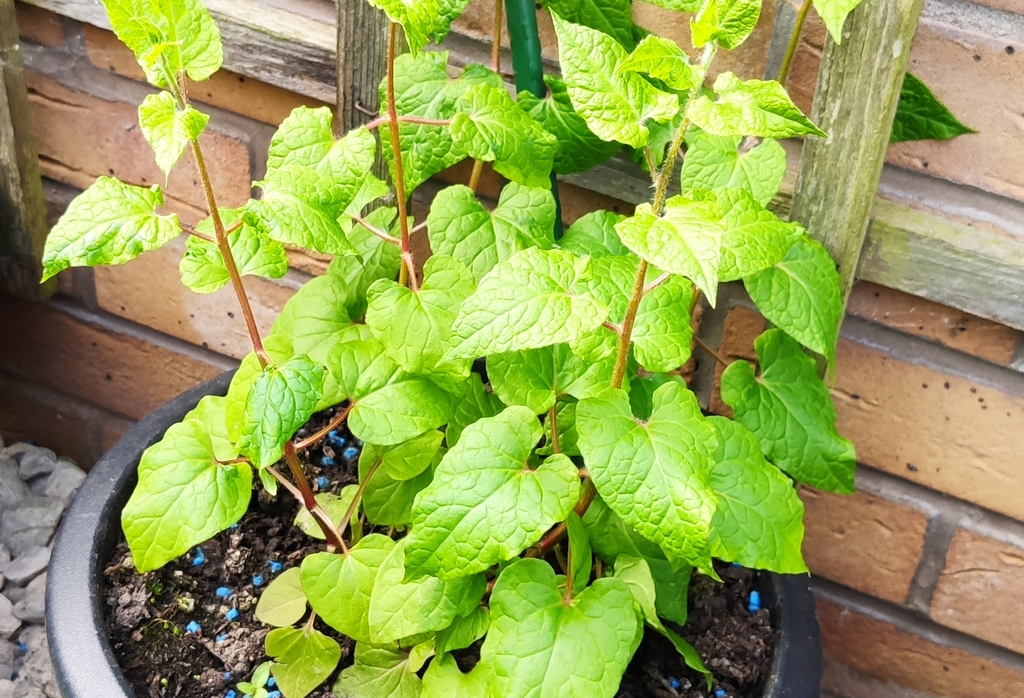
Caucasian Spinach (Hablitzia tamnoides)
A rare perennial climber from the Caucasus, this shade-loving vine is a resilient powerhouse that will produce edible shoots and leaves for decades. Sometimes called “mountain spinach,” this plant is an incredibly hardy and low-maintenance solution for those awkward, shady corners where nothing else seems to thrive.
🌱 Perennial (dies back in winter and regrows each spring, lives for decades once established)
🌤️ Light: Partial to full shade
📏 Garden Size: Vines can grow 2–3 metres long; plant 30–45 cm apart
🪴 Pot Size: Needs a large, deep container (minimum 35–40 cm) with a trellis or support
🥗 Flavour & Use: The young shoots can be harvested when 10–15 cm tall and treated like asparagus. The mild, non-bitter leaves are superb raw in salads or can be blended into pesto. They also hold their own when sautéed, steamed, or folded into curries, pies, and soups.
💚 Nutrition & Health: A nutrient-dense wonder, Caucasian Spinach is rich in pro-vitamin A, folates, calcium, magnesium, phosphorus, and zinc. It is known to outperform regular spinach in lab tests.
💪 Resilience: This plant is a true survivor. It is highly resistant to common pests and capable of withstanding a variety of conditions. Its natural ability to thrive in shade makes it a dependable, low-maintenance choice for gardeners with challenging light conditions.
Tangy Potato-Like Crop
– Oca
Oca Tubers (Oxalis tuberosa)
A vibrant root crop from the Andes, Oca (Oxalis tuberosa) is a rewarding treasure with a zingy twist. This colourful perennial is gaining popularity in the UK as a low-maintenance, potato-like alternative that thrives in cooler climates. It rewards patience with a bright, delicious harvest that is well worth the wait.
🌱 Perennial (grown as an annual in the UK; harvest before frost and replant in spring)
🌤️ Light: Full sun to partial shade
📏 Garden Size: Grows to about 30 cm tall, spreading 30 cm wide
🪴 Pot Size: Medium to large container (minimum 30–35 cm deep); prefers well-drained soil
🥗 Flavour & Use: The tubers have a tangy flavour when eaten raw that mellows to a delicious nutty taste when cooked. They are excellent roasted, boiled, or fried and are a fantastic addition to salads, soups, or as a vibrant side dish.
💚 Nutrition & Health: A hearty food from the Andes, Oca is naturally high in carbohydrates, potassium, and vitamin C. It provides fantastic support for immune health and long-lasting energy.
💪 Resilience: A surprisingly tough perennial, Oca is highly resistant to common pests and holds its own in a variety of conditions. It adapts well to cooler climates, making it a dependable, low-maintenance choice that rewards you with a colourful harvest.
Nutty Potato-Like Crop
– Jerusalem Artichokes
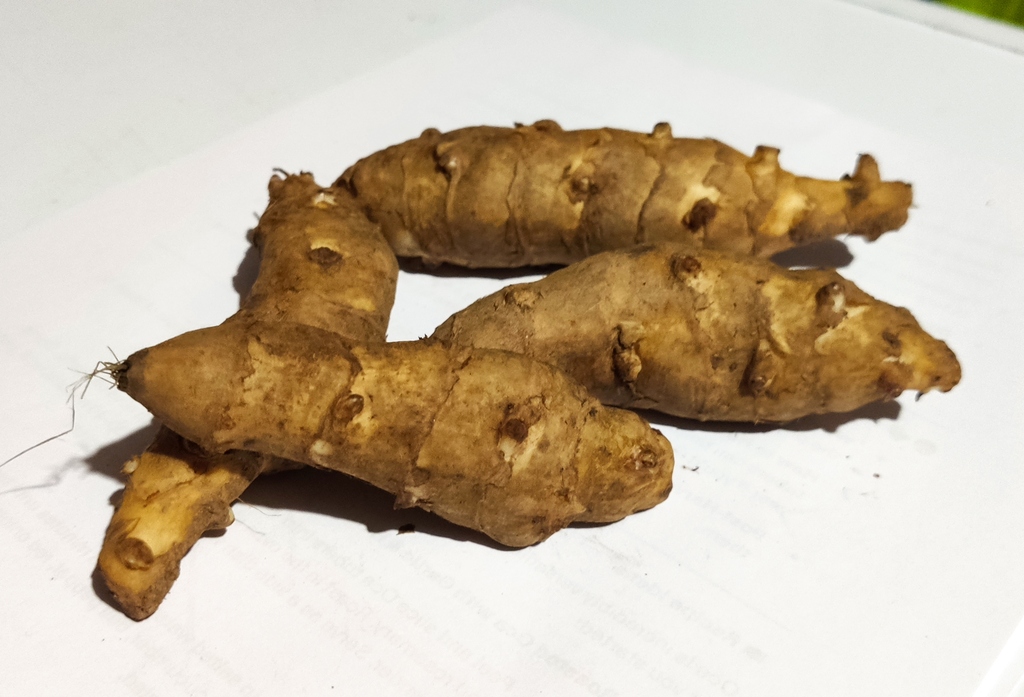
Jerusalem Artichokes (Helianthus tuberosus)
Also known as sunchokes, these sunflower relatives are a force of nature. Once a favourite in Victorian kitchens, these tubers produce a nutty, sweet flavour and thrive in even the toughest UK conditions. They are a beloved favourite, so be sure to grow them in a contained space as they will happily take over your garden if given the chance.
🌱 Perennial (grown as an annual in the UK; harvest before frost; replant each spring)
⚠️ Note: Grows aggressively—best grown in pots or raised beds to control spread
🌤️ Light: Full sun
📏 Garden Size: Grows 180–300 cm tall, forming large clumps 150 cm wide or more
🪴 Pot Size: Needs a very large, deep container (minimum 40–45 cm deep); harvest thoroughly to prevent escape
🥗 Flavour & Use: The tubers are delicious roasted, boiled, or turned into hearty soups. Their nutty, slightly sweet flavour pairs beautifully with creamy or savoury dishes.
💚 Nutrition & Health: A powerhouse for gut health, Jerusalem Artichokes are high in inulin, a prebiotic fibre that supports digestion. They are also a great source of potassium and iron, providing long-lasting energy.
💪 Resilience: A truly unstoppable plant, Jerusalem Artichokes are highly resistant to common pests and are built for thriving in tough conditions. They will grow happily in most soils, providing an abundant harvest with very little fuss.
Large Yellow Beet-Like Root
– Mangelwurzel ‘Ursus Poly’
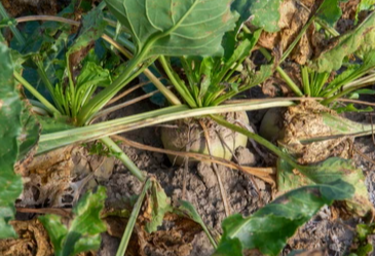
Mangelwurzel ‘Ursus Poly’ (Beta vulgaris)
A product of agricultural improvement and necessity, Mangelwurzel rose to prominence in the 18th and 19th centuries as a high-yield, reliable root crop. Developed for productivity rather than delicacy, it became a cornerstone of Victorian food security, valued for its ability to produce large harvests in difficult conditions. Robust, generous, and unfussy, Mangelwurzel reflects a time when gardening and farming focused on resilience and scale.
🌱 Biennial (grown as an annual root crop)
🌤️ Light: Full sun
📏 Garden Size: Large plants reaching 60–90 cm tall, with substantial roots developing below ground
🪴 Pot Size: Best grown in open ground; very large, deep containers (minimum 40–50 cm depth) required if grown in pots
🥗 Flavour & Use: Traditionally used as a cooked vegetable or animal feed, Mangelwurzel develops a mild, earthy sweetness when boiled or roasted. Roots can be stored through winter, while young leaves may be used like chard. Though not a refined table vegetable, it is filling and dependable.
💚 Nutrition & Health: Rich in carbohydrates, fibre, and essential minerals, Mangelwurzel was valued for its ability to sustain both people and livestock through lean months. Its nutritional strength lay in bulk energy and storage potential rather than delicacy.
💪 Resilience: Exceptionally hardy and tolerant of poor soils, Mangelwurzel thrives where many crops fail. Its large roots store well and resist spoilage, making it a dependable, low-input crop well suited to self-sufficient growing and long-term food security.